Run Walk Program for Beginners
A Safer, Smarter Way to Start Running
12 de enero de 2026
Most beginners do not fail at running because they lack motivation. They fail because they start too hard, too fast, and too continuously. A run walk program for beginners exists to solve that exact problem. It gives structure to effort, permission to slow down, and a clear path from walking to running without injury or burnout.
This approach is not a shortcut or a compromise. It is a deliberate training method that has helped millions of people move from zero running experience to comfortably running for 20, 30, or even 60 minutes at a time. If you have ever tried to “just run” and ended up exhausted, sore, or discouraged, this method is built for you.
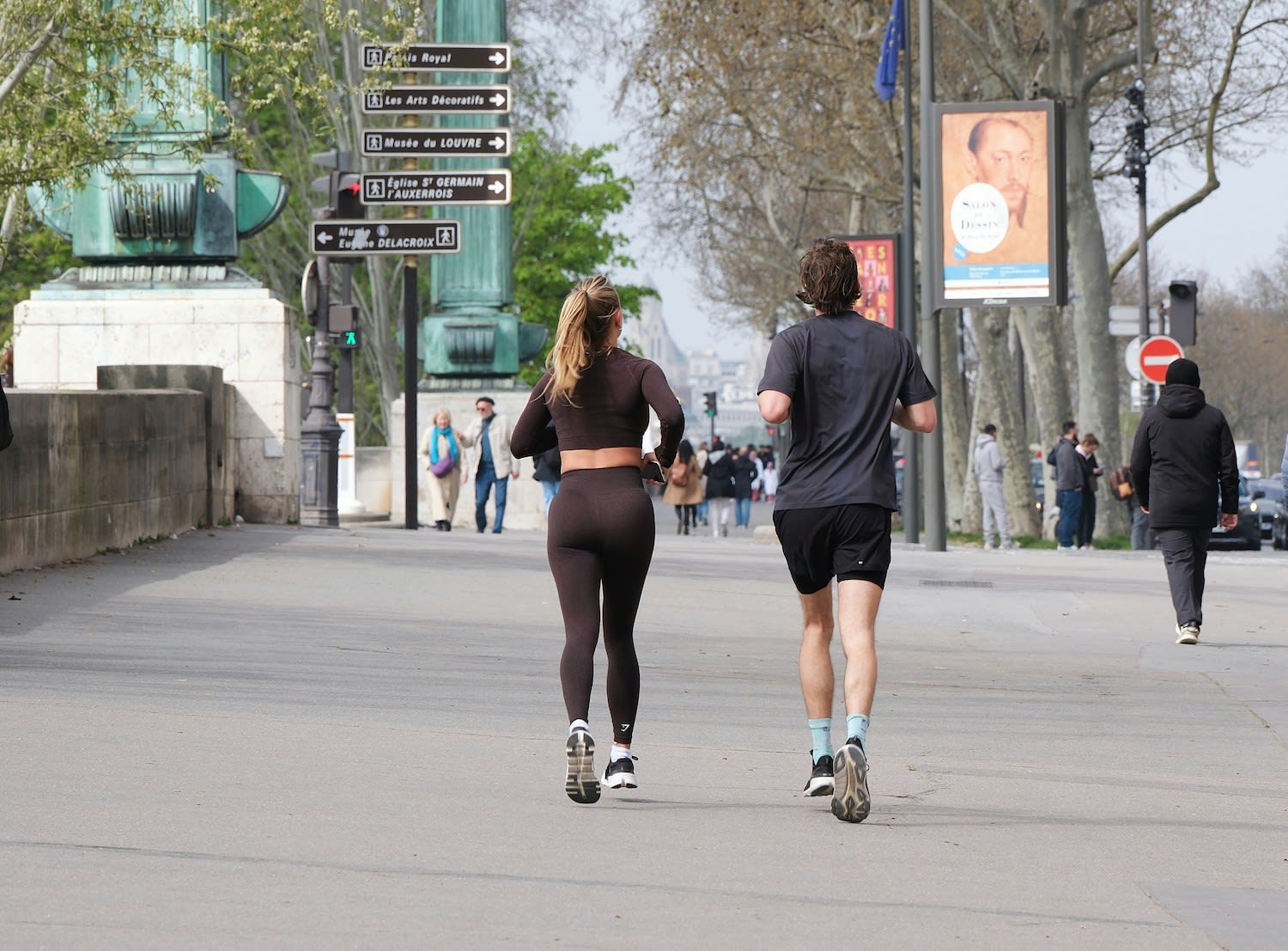
What a run walk program actually trains
A common misunderstanding is that run walk programs are only about endurance. In reality, they train several systems at once. Your cardiovascular system adapts quickly to short bursts of running, improving oxygen delivery and heart efficiency. At the same time, your muscles, tendons, and joints adapt more gradually to impact forces.
The walk intervals are not rest in the traditional sense. They are active recovery periods that keep your heart rate elevated while reducing impact stress. This allows you to accumulate more total movement time than you could manage with continuous running, which is a key driver of long-term fitness.
Just as importantly, the run walk structure trains pacing discipline. Many beginners struggle because they run at a pace that feels fine for two minutes but unsustainable for twenty. Walk breaks reset effort and teach what “easy” actually feels like, something we expand on in our guide to easy pace running.
Who benefits most from a run walk program for beginners
This style of training is ideal if you are completely new to running, returning after a long break, or rebuilding fitness after injury or illness. It is also highly effective if you carry extra bodyweight, as walk breaks significantly reduce cumulative impact forces.
Run walk programmes are equally useful for people who have tried couch-to-5K plans before and struggled. Many traditional beginner plans increase running time too quickly. A run walk approach gives you flexibility. If a week feels tough, you repeat it rather than forcing progress.
Even experienced runners use run walk strategies during hot weather, recovery phases, or long-distance events. This makes it a legitimate training method, not a temporary crutch.
The physiology behind run walk progression
Running places two to three times your bodyweight through the lower limbs with every step. Bones and connective tissue adapt to this stress far more slowly than the heart and lungs. This mismatch is why beginners often feel aerobically capable but physically sore.
A run walk program manages training load by controlling impact frequency. Short run segments introduce stress, while walk segments reduce peak strain. Over weeks, the body strengthens in response, allowing longer run intervals with the same perceived effort.
This gradual adaptation is central to injury prevention. We cover this principle in more detail in our article on how to avoid common running injuries, which pairs well with beginner run walk training.
An in-depth 8-week run walk program for beginners
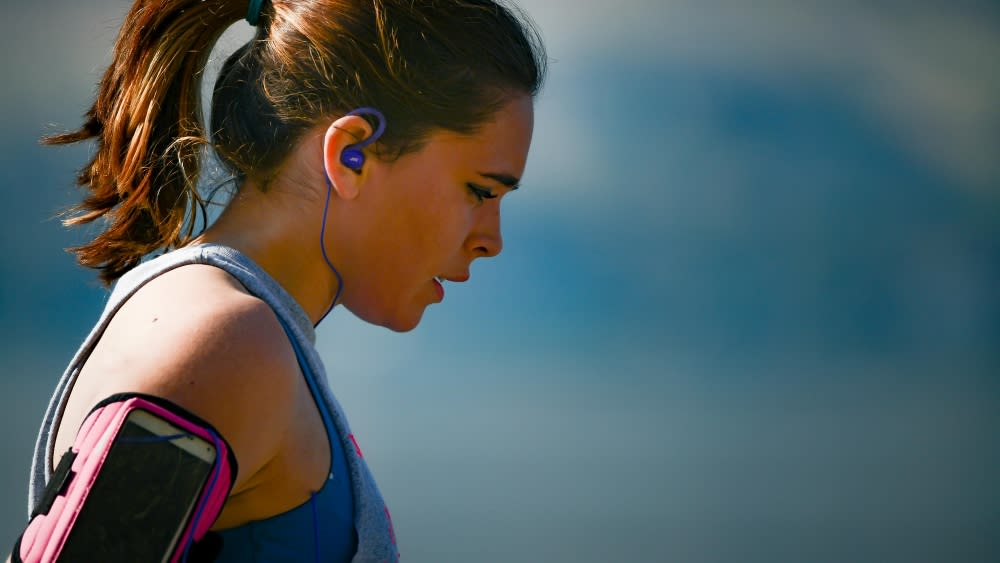
This programme assumes three sessions per week with at least one rest day between runs. Each session should begin with a 5-minute brisk walk to warm up and finish with an easy walk to cool down.
| Weeks | Run Interval | Walk Interval | Total Session Time | Focus |
|---|---|---|---|---|
| Weeks 1–2 | 30 seconds | 90 seconds | 20–25 minutes | Comfort, rhythm, and finishing each session feeling energised |
| Weeks 3–4 | 60 seconds | 90 seconds | 25–30 minutes | Relaxed breathing, upright posture, and controlled effort |
| Weeks 5–6 | 2 minutes | 1 minute | 30 minutes | Building confidence as recovery improves and breathing steadies faster |
| Weeks 7–8 | 5 minutes | 1 minute | 30 minutes | Preparing for longer continuous running segments of 15–20 minutes |
If you want this progression personalised around your available days, current pace, or goal distance, the Running Plan Generator creates beginner-friendly plans that include run walk structures where appropriate.
How fast should you run during run intervals
The most common mistake beginners make is running too fast during the run segments. Speed is not the goal. Effort control is. You should be able to speak in full sentences while running. If you cannot, slow down.
Many beginners find it helpful to anchor effort to pace ranges rather than guessing. Using the Pace Calculator helps translate effort into realistic numbers and keeps progression controlled.
Remember that walking faster is often more beneficial than running harder. A strong, purposeful walk supports aerobic development without adding excessive impact.
How often to run and when to rest

Three run walk sessions per week is enough to make meaningful progress. Adding more sessions too early increases injury risk without accelerating adaptation. Rest days are not lost training days; they are when the body rebuilds.
On non-running days, gentle walking, mobility work, or cycling can support recovery. Strength training also pairs well with run walk programmes, particularly for hips and calves. We outline beginner-friendly routines in our strength training for runners guide.
Shoes and simple gear that support beginner runners
Good footwear matters more in the early stages than later on. Look for neutral, cushioned running shoes that feel comfortable from the first step. Avoid overly aggressive or minimalist designs until your body has adapted.
A basic interval timer watch or phone app removes mental load, allowing you to focus on movement rather than constantly checking the time. Many beginners also benefit from a foam roller to manage calf and quad tightness as volume increases.
Entry-level running shoes, foam rollers, and simple interval watches are widely available on Amazon. When purchasing, you can support RunReps by using our affiliate links with code sispn-20.
When and how to move beyond run walk training
There is no deadline for stopping walk breaks. Some runners transition naturally as run intervals lengthen until walking feels unnecessary. Others keep short walk breaks indefinitely and continue to improve.
Once you can comfortably run for 20 to 30 minutes, progression should focus on consistency and distance rather than speed. This is where structured easy runs and long runs become useful. Our running workouts library explains how to structure these safely.
Speed work should come later, after a solid aerobic base is established. Rushing this step is one of the most common causes of stalled progress.
Frequently asked questions about run walk programs for beginners
Is a run walk program effective for weight loss?
Yes. Consistent movement and manageable effort often lead to better adherence than aggressive plans. Over time, this supports sustainable fat loss.
Should I repeat weeks if it feels hard?
Absolutely. Repeating a week is a sign of smart training, not failure. Progress is rarely linear.
Can I train for a 5K using run walk?
Yes. Many runners complete 5K events using run walk strategies. The key is gradually increasing total time on feet.
What if I miss a session?
Resume where you left off rather than trying to make up lost sessions. Consistency over months matters more than perfection in a single week.
Building a long-term habit, not just a short plan
A run walk program for beginners works because it respects where you are right now while gently nudging you forward. It removes pressure, lowers injury risk, and builds confidence through repetition.
If you want to turn this into a long-term routine, start by generating a plan that fits your life using the Running Plan Generator, then monitor effort and pacing with the Pace Calculator. Start slower than you think you need to. Consistency will do the rest.
Equipamiento inicial para nuevos corredores
No necesitas mucho para empezar a correr, pero unos pocos artículos bien elegidos mejoran la experiencia y te ayudan a seguir.
Brooks Ghost
Amortiguación equilibrada, ajuste cómodo y rodada indulgente. De las zapatillas más recomendadas para empezar.
Ver en AmazonGarmin Forerunner 255
Fácil de usar y con GPS preciso. Te ayuda a ser constante viendo cómo mejoran tu ritmo y tu distancia.
Ver en AmazonRodillo de espuma
Reduce las agujetas después de correr y ayuda a prevenir las lesiones habituales al empezar.
Ver en Amazon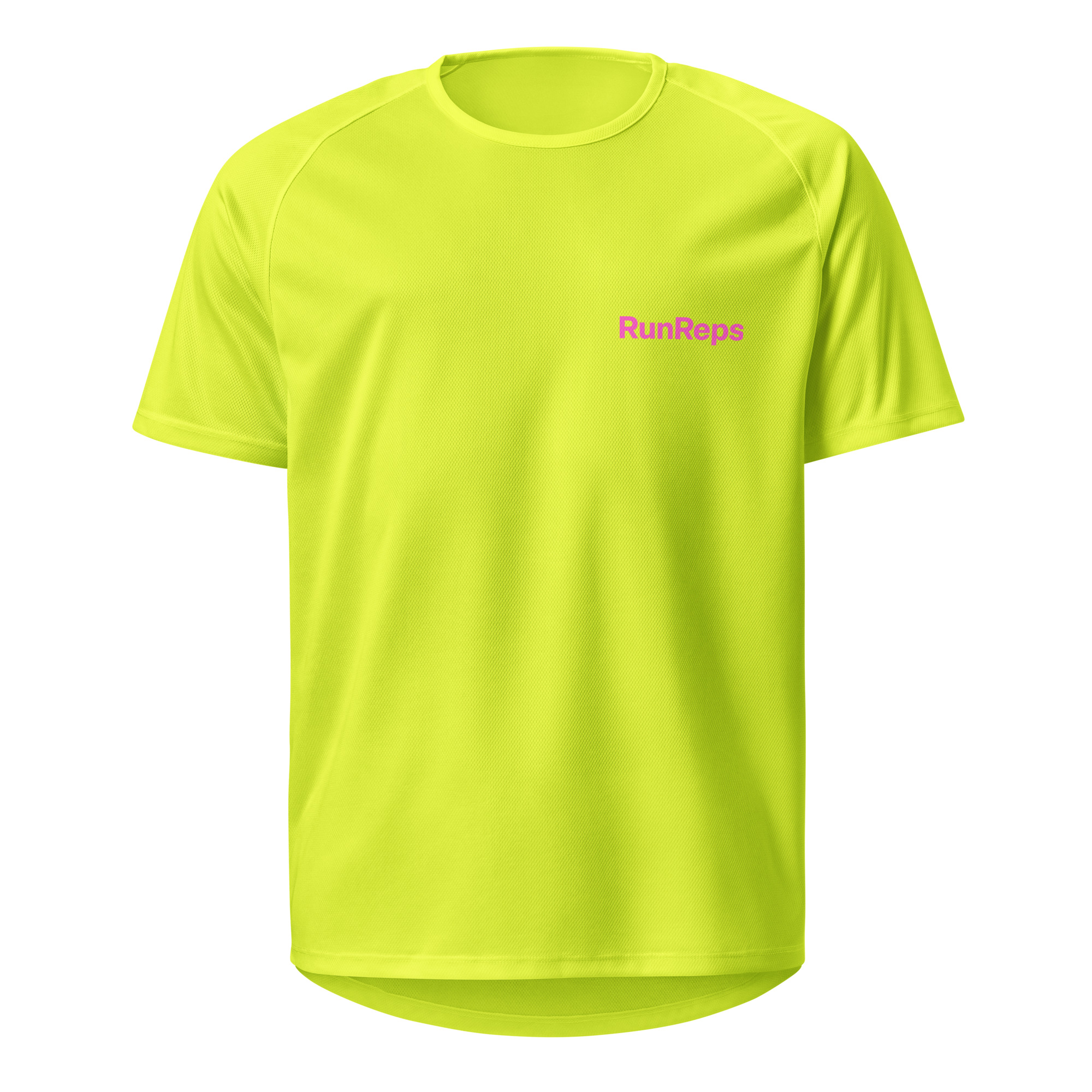
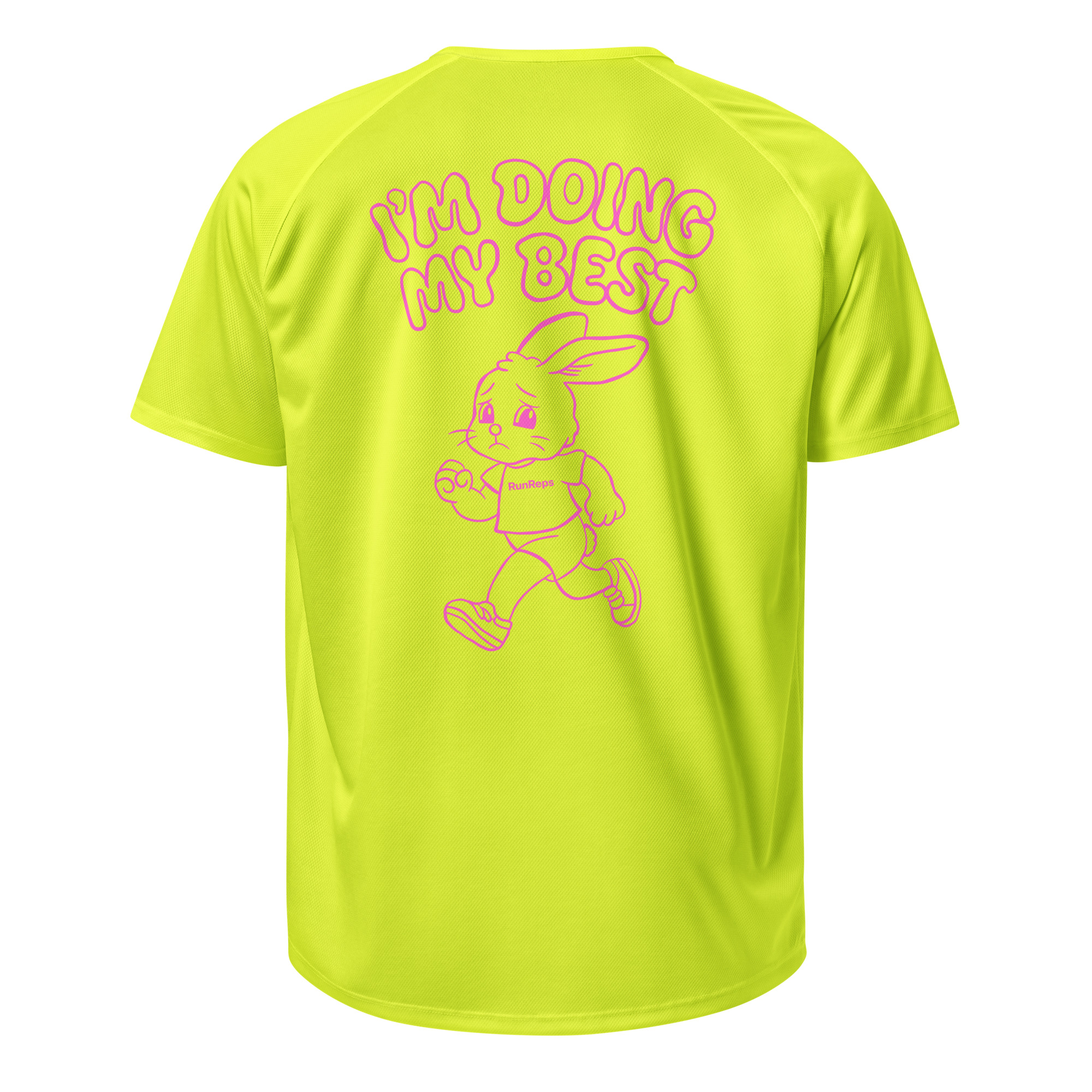
Camiseta de Running 'Doing My Best'
Camiseta deportiva unisex ligera y transpirable en amarillo neon. Disenada para corredores que siempre vuelven a entrenar.
Envio gratuito mundial en pedidos seleccionados
RunReps colabora con tiendas asociadas a través de la red de afiliados Awin y recibe una comisión por las compras que cumplan los requisitos, sin coste adicional para ti.
Artículos similares

4 de septiembre de 2026
Plan de entrenamiento de 8 semanas para mejorar tu tiempo en la carrera de 5 km: trabajo de velocidad y ritmo de carrera.
Leer →

15 de agosto de 2026
Clasificación por edad en running: qué es y por qué lo cambia todo
Leer →

8 de agosto de 2026
Altitud y Ritmo: Cómo el Aire Fino Te Frena
Leer →