At the 1984 Los Angeles Olympics, coach Jack Daniels counted the steps of every distance runner from the 800 m up to the marathon. The number kept coming back the same: roughly 180 steps per minute, give or take a handful. Daniels did not invent the figure, but he is the reason every running watch on the market today flags 180 as a target. Forty years of research since then has both confirmed and complicated his observation: cadence is one of the few form variables that genuinely changes your pace, your injury rate and your efficiency at the same time, but the magic number is not 180. It is roughly five to ten percent higher than whatever you are running now.

This guide breaks down what running cadence actually does, why it changes everything from braking force to oxygen cost, and how to nudge your own steps per minute up without breaking your stride or your training block.
What Cadence Really Is, and Why Pace Cannot Be Held Without It
Running pace is the product of two numbers and only two numbers: stride length and cadence. Multiply them and you get speed. There is no third variable. That is the part of the maths most runners forget: if you want to run faster, you either take longer steps or more of them, and one of those options is dramatically more expensive than the other.
Heiderscheit and colleagues, writing in Medicine and Science in Sports and Exercise (2011), measured what happens to joint loading when runners deliberately raise their step rate by 5% and 10%. A 10% increase cut peak hip adduction by 17%, peak hip internal rotation by 10%, and energy absorbed at the hip and knee by close to 20%. Same pace. Same fitness. Different mechanics. The runners were doing less work in the joints that take the longest to recover and the most damage from overuse.
Schubert and colleagues, in a 2014 systematic review covering twelve studies on step rate and running mechanics, came to the same conclusion from the other side: when cadence is too low for a runner’s body, ground contact times stretch, braking force spikes, and the centre of mass drops further on each impact. Low cadence is not a style. It is a load problem that shows up in tibial stress, patellofemoral pain, and the slow leak of fatigue that turns the back half of a long run into a survival exercise. The fix is not a longer stride. It is more steps.
Why the 180 Number Is Useful and Misleading at the Same Time
Daniels’ 180 observation has hardened into orthodoxy because it is easy to repeat and hard to argue with at the elite end. The runners he counted were Olympic finalists, almost all of them between 55 kg and 65 kg, running 2:55 per kilometre marathon pace or faster. Of course their cadence sat at 180. They were running fast, and faster pace pulls cadence up almost automatically.
What recent research has shown is that optimal cadence is individual, not universal. Hafer and colleagues (2015) found that recreational runners self-select cadences between 155 and 185 spm at the same easy training pace, and that the runners who self-selected lower cadences had measurably higher loading rates. Heel-strike runners tend to sit five to ten steps below midfoot strikers at the same speed. Taller runners with longer legs sit two to six steps below shorter runners. Cadence rises with pace by roughly two to four steps for every 15 seconds per kilometre faster you run.
The honest interpretation of forty years of research, then, is this: 180 is the right number for fast Olympic runners. For most recreational runners at easy pace, anything below 165 is probably costing you. Anything above 175 is probably fine. The target is not a fixed number. The target is a 5% to 10% lift from wherever you are now, applied gradually, and held until it stops feeling forced.
How to Find Out What Your Cadence Actually Is
You cannot change a number you have not measured. Cadence is one of the easiest training variables to capture, and most runners already carry the device that captures it.
Any modern GPS watch with an optical heart rate sensor measures cadence by accelerometer. Run an easy 5 km on familiar ground at your normal training pace, ignore the watch, and look at the average cadence number after the run. That is your honest baseline at easy pace. Repeat the test at threshold pace and at 5 km pace. You will almost always see cadence rise by 5 to 12 steps as you speed up, and the gap between your easy and fast cadence is the size of the budget you have to play with.
If your easy cadence sits below 165, you have measurable room. If it sits between 165 and 175, you have some. If it sits above 175 already, the gains from raising it further are small and the risk of forcing a number above your natural ceiling is real.
To check how the small pace differences a cadence shift produces compound across a long run or race, drop your current and target pace into the pace calculator and look at what 5 seconds per kilometre actually saves you over 21 km or 42 km. The maths is sobering: a 5 spm lift that pulls your easy pace from 5:30 to 5:23 per kilometre saves three minutes on a half marathon at exactly the same effort.
A Four-Step Plan to Raise Your Cadence Safely
Cadence retraining works when it is small, repeated and patient. It fails when it is large, abrupt and forced through a long run. The plan below follows the protocol Heiderscheit and others have used in research settings, scaled for runners who are not in a lab.
- Measure three baselines. Capture your average cadence at easy pace, threshold pace and 5 km pace across three separate runs. Write all three numbers down. These are the only numbers that matter for the next four weeks.
- Target a 5% lift, not a 10% lift. Add 5% to your easy-pace cadence and round to the nearest whole number. If you average 168, target 176. If you average 160, target 168. The 10% lift in the research is the ceiling for healthy adaptation, not the starting point.
- Use a metronome for short blocks, not whole runs. Set a phone or watch metronome to your target cadence. Run 4 x 5 minutes at target cadence, with 3 minutes at your natural cadence between, inside an easy 45-minute run. Build to 4 x 10 minutes over three weeks. Long blocks at a forced cadence early in retraining is the fastest way to introduce calf and shin pain.
- Stop watching the number on long runs. Cadence retraining belongs in short, controlled blocks. Long runs and races are for letting the new pattern show up on its own. After four to six weeks of structured work, recheck the baseline. Most runners see a 4 to 8 step lift in self-selected cadence at easy pace, and the change holds because the body has been allowed to find it rather than forced to hold it.
For runners who like a more structured approach, layer the cadence blocks into the structured intervals you are already running. The intervals tool lets you build a session that pairs short cadence holds with the threshold or 5 km pace work you would have done anyway, so the retraining piggybacks on training you were doing rather than adding mileage.
Where Cadence Retraining Goes Wrong
Three errors come up more than any other when runners try to chase a higher cadence. They are all preventable.
- Targeting 180 from a baseline of 158. A 14% jump is well past the threshold the research treats as safe. Calf, shin and Achilles tissue cannot absorb that shift inside one week, and the result is a new injury rather than a new pattern. Move 5% at a time and let the body catch up.
- Holding cadence by shortening stride into a shuffle. A higher cadence is meant to land your foot under your hip, not in front of it. If your stride collapses into a tippy-toe shuffle, you are paying a metabolic cost for no mechanical benefit. The right cue is “land closer to under you”, not “take tiny steps”.
- Measuring once and never again. Cadence drifts. Fatigue, terrain and fitness all push it around. Recheck the baseline every six weeks during a training block. The runners who hold the gains are the ones who keep measuring.
For the broader picture of how environmental conditions stack on top of any form change, the heat and pace breakdown covers how a 5 to 10 step cadence lift behaves differently at 12 °C and 28 °C – the higher cadence holds, but the metabolic cost of holding it climbs faster than most runners expect.
Cadence Gear That Earns Its Place
You do not need new kit to change cadence. You do need accurate measurement and a reliable cue. Five items make the work easier without complicating it.
- GPS watch with a built-in cadence sensor. Any modern GPS running watch with cadence tracking captures average and instant cadence for every run. The accelerometer-based read is accurate within one or two steps and good enough for baseline work and retraining.
- Foot pod cadence sensor. For runners on older watches or treadmill-heavy training blocks, a running foot pod sensor pairs to most watches and phones over Bluetooth and gives a more responsive read than a wrist accelerometer, which matters when you are trying to hold a specific number inside a 5-minute block.
- Running metronome. A dedicated small running metronome clips to a waistband and clicks at target cadence. Phone metronome apps work but eat battery and force you to look at the screen. The dedicated device is cheap and removes the friction that kills retraining plans.
- Headphones with BPM-matched music. Music at your target cadence pulls step rate up almost involuntarily. A pair of running headphones for cadence-matched music with bone-conduction or open-ear designs keeps you aware of traffic while letting the beat do the work for you.
- Foam roller. Calf and lower-leg tightness is the first thing to flare in a cadence retraining block. A running foam roller used for five minutes on calves and Achilles after every cadence session is cheap insurance against the most common retraining injury.
Common Questions About Running Cadence

What is a good cadence for running?
For recreational runners at easy pace, anything between 165 and 180 steps per minute is in the healthy range, with most runners benefiting from sitting in the upper half of that band. Elite distance runners average around 180 steps per minute, but they are running 2:55 per kilometre or faster, and pace pulls cadence up. The right target for any individual runner is a 5% lift from their current baseline, applied gradually, not a fixed number copied from elite data.
Does running cadence really matter?
Yes. Heiderscheit and colleagues (2011) showed that a 10% increase in step rate at the same pace cuts joint loading at the hip and knee by close to 20%. Lower cadence stretches ground contact time, increases braking force on each step, and drops the centre of mass further on each impact. These are the mechanical drivers behind several of the most common overuse injuries in distance runners, including tibial stress and patellofemoral pain.
How do I increase my running cadence?
Measure your current cadence at easy pace, target a 5% lift, and use a metronome to hold the target inside short blocks – 4 x 5 minutes inside an easy 45-minute run, building to 4 x 10 minutes over three weeks. Avoid raising cadence on long runs and races during the retraining phase. Recheck the baseline after four to six weeks and most runners see a 4 to 8 step lift that holds because the body has been allowed to find it rather than forced.
Is 180 steps per minute really the magic number?
No. The 180 figure comes from Jack Daniels’ count of distance runners at the 1984 Olympics, all of them running marathon pace at 2:55 per kilometre or faster. Cadence rises with pace, so elite cadence sits at 180 by default. Hafer and colleagues (2015) found recreational runners self-select cadences between 155 and 185 at the same easy training pace, and the right target for any one runner is a 5% to 10% lift from their own baseline, not a copy of elite numbers.
Does cadence affect pace?
Directly. Pace is stride length multiplied by cadence, with no third variable. A 5 step lift in cadence at the same stride length raises pace by roughly 3% to 5%, and the metabolic cost of higher cadence at the same speed is usually lower than the cost of a longer stride because the longer stride increases braking force on landing. The pace gain is real, but it shows up gradually as the new pattern locks in.
Cadence is the one form variable that pays for itself on every run, in every condition, at every distance. It is not the only thing that matters, and chasing a number you have copied from someone else is the fastest way to introduce an injury without a benefit. Measure your own baseline, target the 5% lift, and build the new pattern into the training plan you are already running. The pace will follow.
This article is for informational purposes only and does not constitute medical advice. Sudden changes to running mechanics can cause overuse injuries, particularly in the calves, shins and Achilles. If you have a current running injury, are returning from time off, or have any concerns about your running form, consult a qualified physiotherapist or sports medicine professional before starting a cadence retraining block.
Equipamiento que apoya tu entrenamiento
Un buen equipo te ayuda a seguir tu progreso y a mantener la constancia. Estas son nuestras opciones para entrenamientos estructurados.
Garmin Forerunner 265
Registra cada sesión con ritmo en vivo, carga de entrenamiento y consejos de recuperación. El mejor GPS de gama media.
Ver en AmazonNike Pegasus
Rinde en rodajes suaves, series de tempo y tiradas largas. Un entrenador diario versátil para casi cualquier plan.
Ver en AmazonRodillo de espuma
Acelera la recuperación entre sesiones. Imprescindible cuando sube la carga de entrenamiento.
Ver en Amazon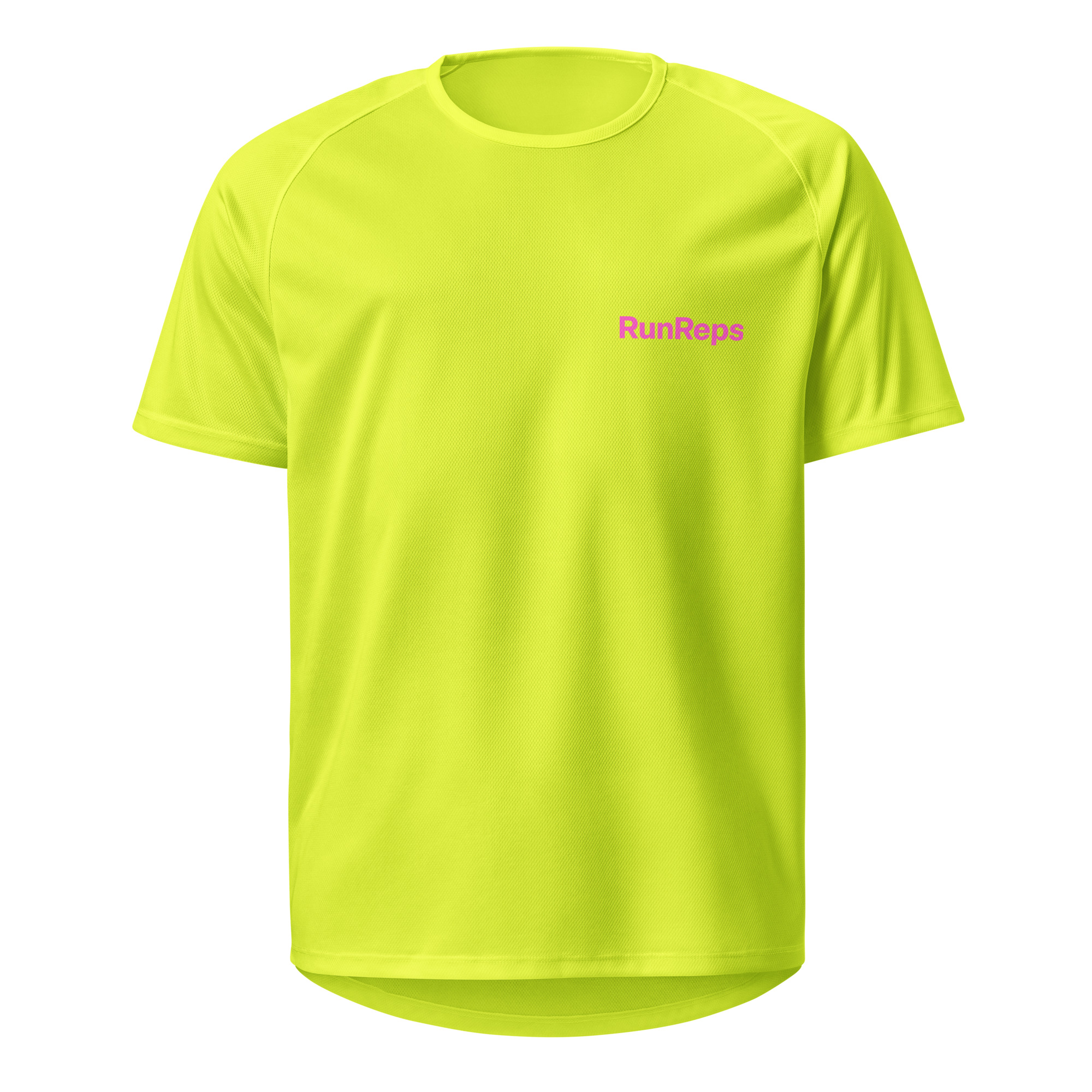
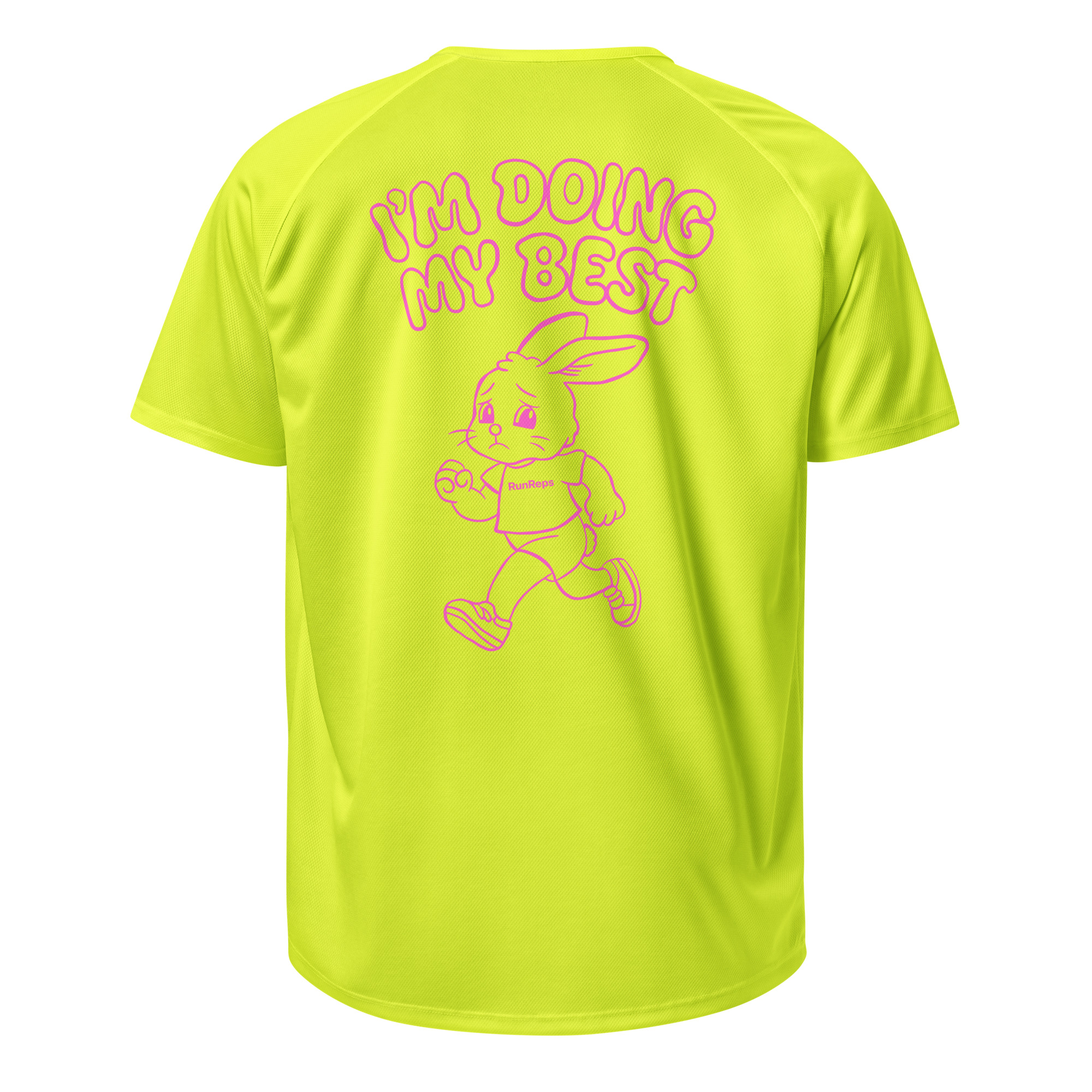
Camiseta de Running 'Doing My Best'
Camiseta deportiva unisex ligera y transpirable en amarillo neon. Disenada para corredores que siempre vuelven a entrenar.
Envio gratuito mundial en pedidos seleccionados
RunReps colabora con tiendas asociadas a través de la red de afiliados Awin y recibe una comisión por las compras que cumplan los requisitos, sin coste adicional para ti.