So you’ve decided to start running. That’s amazing, but also, probably a little intimidating. Between busy schedules, sore legs, and that voice in your head saying “maybe tomorrow”, it can be hard to know where to start or how to stick with it.
This guide is for you: the beginner who wants to go from zero to 5K (and beyond), with a running schedule that actually fits your life. It’s not about chasing motivation. It’s about creating a habit, building a routine, and showing up consistently.
Contents
- Why Start Running?
- Leaving Motivation at the Door
- Building Discipline
- Gear You Need
- Get Running – Couch to 5K
- Finishing With a 5K Race – Parkrun
- Building Up the Mileage to the Next Race
- Set Your Next Goal
- More Advanced Gear You Might Want
- One Run at a Time
Why Start Running?
Before we lace up, let’s be honest, running isn’t always easy. There will be days when your legs feel heavy, your mind is racing with excuses, and the sofa looks really inviting. That’s why having a solid reason to start, and to keep going, matters more than any gear, training plan, or perfect weather.
So, why start running? There are plenty of good reasons, and here are just a few:
Improve heart health and fitness
Running is one of the most efficient ways to boost your cardiovascular health. It strengthens your heart, improves blood flow, and increases lung capacity. Just a few weeks into a regular running routine, you’ll likely notice that climbing stairs feels easier and your energy levels are more consistent throughout the day.
Boost mental health and reduce stress

Running is often called moving meditation for a reason. The rhythmic motion, the fresh air, and the release of endorphins work together to reduce anxiety, calm your thoughts, and lift your mood. It’s not about escaping your problems, it’s about processing them with a clear head and stronger body.
Sleep better and feel more energised
It sounds contradictory, but running actually helps you feel more awake. Moderate-intensity exercise like running improves sleep quality, helping you fall asleep faster and wake up feeling refreshed. If you often feel sluggish or foggy during the day, a short jog might be the perfect reset.
Drop a few pounds
While weight loss can be a goal, many new runners notice that their body feels different in ways that go beyond the scale. Clothes fit better. Posture improves. Energy increases. And there’s a quiet confidence that comes from doing something hard, and sticking with it.
Carve out time just for you
Running can be your me-time. Whether it’s an early morning jog to clear your head or an evening run to decompress after work, it’s time you can claim back in a world that constantly pulls you in different directions. No emails, no to-do lists, just you, your breath, and the road.
But here’s the thing: your reason has to be personal. Maybe you want to be a healthier parent. Maybe you’re craving structure and routine. Maybe you’re simply curious to see what you’re capable of. Whatever it is, take a moment to identify it.
Write it down. Stick it on your fridge, your phone lock screen, or your bathroom mirror. Remind yourself why you started, because on those tough days, that little “why” will be the spark that gets you out the door.
Leaving Motivation at the Door
Motivation is a great starting point, but it’s unreliable. It comes in waves, often driven by emotion or external factors: a New Year’s resolution, a great quote on Instagram, or a friend’s shiny new fitness journey. It’s exciting, and for a few days, maybe even weeks, you’re fired up. But what happens when it rains? Or when work gets busy? Or when you just don’t feel like it?
That’s where most people stop. Not because they’re lazy or weak, but because they were relying on motivation alone. And motivation isn’t a plan.
Instead of chasing hype, we need to build something sturdier: a routine.
The secret isn’t in waking up pumped every day. It’s in creating a structure that doesn’t require you to be pumped. You need a running schedule that works even on the days when you’re tired, grumpy, or distracted. That’s the difference between people who start running and people who keep running.
One of the biggest mindset shifts is this: you don’t need to feel like it, you just need to do it. This might sound harsh at first, but it’s actually freeing. You take the mental debate out of it. It’s not “Do I feel like running today?”, it’s “Today is a run day, so I’m running.”
You can even make it easier by lowering the barrier to entry. If you really don’t feel like going for a run, tell yourself, “I’ll just put on my shoes and go for 5 minutes.” Nine times out of ten, you’ll keep going once you’re out the door. And even if you don’t, you’ve still shown up, and that matters.
Motivation is what gets you started. Routine is what keeps you going. Build a schedule that removes the decision-making and lets discipline lead the way. You’ll be amazed at how far you can go without ever needing a pep talk.
Building Discipline
Discipline is often misunderstood. People think it’s about grit, willpower, or forcing yourself to do things you hate. But real discipline, the kind that lasts, is quieter than that. It’s not about pushing harder; it’s about setting up your life in a way that makes the right thing the easy thing.
When it comes to running, discipline means building systems that support consistency. The best runners aren’t always the most motivated, they’re the ones who keep showing up because they’ve made it part of their routine.
So how do you build that kind of discipline? It starts with structure.
1. Pick Three Days a Week
If you’re just starting out, you don’t need to run every day. In fact, it’s better if you don’t. Choose three specific days that work with your current schedule, not your ideal schedule, but your real life. Maybe it’s Monday, Wednesday, and Saturday. Lock them in and protect them like appointments.
2. Choose Consistent Times
Running is easier when your body and brain know it’s coming. Try to run at the same time of day, before breakfast, during lunch, after work, whatever fits. This helps create a rhythm and reduces the chances of skipping because you “ran out of time.”
3. Lay Out Your Kit the Night Before
Remove friction. If you’re running in the morning, set out your clothes, shoes, headphones, and even fill your water bottle the night before. If your gear is staring at you when you wake up, you’re more likely to lace up and go without second-guessing.
4. Use Habit Stacking
This is a powerful technique from Atomic Habits by James Clear. The idea is to tie your new running habit to something you already do. For example:
- “After I make coffee, I’ll put on my running shoes.”
- “After I get home from work, I’ll go for a 20-minute jog.”
This makes running feel like a natural extension of your day.
5. Track Your Streak
There’s something satisfying about seeing a calendar fill up with ticks, Xs, or numbers. Whether you use a notebook, whiteboard, or an app, tracking your runs helps build momentum. Even better, share your streak with a friend or on social media for accountability.
Discipline isn’t about being perfect. You’ll miss a run here or there, life happens. But when you have a solid running routine and systems in place, those missed runs become the exception, not the norm. And soon, you’ll notice something amazing: running won’t feel like a chore. It’ll feel like part of who you are.
Gear You Need
Let’s bust a myth right away: you don’t need fancy gear to start running. At its core, running is simple, that’s part of the beauty. But having the right basics can make your runs more comfortable, reduce the risk of injury, and help you feel like a “real runner” (which, by the way, you already are the moment you take that first step).
Running Shoes: The Only Essential
If you only buy one thing, make it a decent pair of running shoes. Not sneakers from the back of your closet, actual running shoes. The wrong footwear can lead to shin splints, knee pain, or blisters that suck the joy out of your runs.
If you can, visit a proper running shop. They’ll look at your gait, ask about your goals, and recommend shoes that match your foot shape and running style. If that’s not an option, choose a pair from a reputable brand known for comfort and support, think Brooks, Asics, New Balance, Saucony, or HOKA.
Running Clothes: Comfort Over Style
You don’t need to dress like an elite athlete, but a few smart choices can go a long way. Avoid cotton if you can. It holds onto sweat, which leads to chafing and discomfort. Instead, look for moisture-wicking fabrics that keep you dry and prevent rubbing.
Here’s what to aim for:
- Lightweight, breathable running shirt or tank
- Proper running shorts or leggings (bonus points for pockets)
- Sports bra with good support, if needed
- In colder weather, layer up with thermal tops, running jackets, and gloves or hats
You don’t need a huge wardrobe. Start with one or two go-to outfits and build from there.
Accessories That Help
While not essential, these items can improve your experience:
- Phone armband or belt for carrying essentials
- Wireless headphones or bone-conduction headphones for safe listening
- A basic running watch or app to track distance and pace
- High-visibility gear or lights if you run in the early morning or evening
- Don’t stress about getting it all at once. Start with the essentials, shoes and a comfortable outfit, and add as you go. The more you run, the more you’ll figure out what you actually need.
In the beginning, the gear isn’t what gets you out the door, the habit is. But having the right kit can reduce excuses, increase comfort, and make you feel more confident on your journey. Remember: it’s not about looking like a runner. It’s about feeling like one, and you’re already on your way.
Get Running – Couch to 5K
You’ve picked your days. You’ve got your kit. Now it’s time to actually start running, but not all at once. One of the biggest mistakes beginners make is doing too much, too soon. That’s why the Couch to 5K (C25K) method is the gold standard for beginners. It’s simple, achievable, and, most importantly, it works.
What is Couch to 5K?
Couch to 5K is a structured training plan that takes you from no running at all to running a full 5K (3.1 miles) over a period of 8 to 10 weeks. It works by alternating intervals of running and walking, gradually increasing your running time while allowing your body to adapt.
The best part? You don’t need to worry about pace, speed, or distance in the early weeks. The goal is to build consistency, confidence, and stamina, not to break records.
At RunReps, we’ve created our own Couch to 5K plan, tailored to beginners and backed by real experience. It’s designed to ease you in gradually, with clear weekly goals, recovery guidance, and tips to help you build the habit week by week.
👉 Check out the full Couch to 5K plan here.
Why It Works
- Walk/run intervals make it feel doable, even if you’ve never run before
- You build up slowly, which reduces the risk of injury
- Having a plan to follow removes the guesswork, no decision fatigue
- Weekly progress gives you a sense of achievement and momentum
Pro Tips for C25K Success:
- Don’t skip rest days, they’re just as important as the runs.
- If a week feels too hard, repeat it. There’s no rush.
- Focus on time on your feet, not speed or distance.
- Try running to a podcast or curated playlist, it makes the time fly.
- Celebrate milestones! Every completed week is a big win.
Starting a new running habit can feel daunting, but with the Couch to 5K plan, you’re never left wondering what to do next. It gives you a roadmap, one that’s taken thousands of beginners from walking to running a full 5K with confidence.
You’re not just training your legs, you’re training your mind, your habits, and your belief in yourself. And that’s powerful.
Finishing With a 5K Race – Parkrun
Reaching the end of a Couch to 5K plan is a massive achievement. You’ve gone from walking to running, from “maybe someday” to “I did it.” So now what?
The best way to celebrate your progress, and lock in your new identity as a runner, is to put it to the test with a real event. And there’s no better place to do that than Parkrun.
What Is Parkrun?
Parkrun is a free, weekly 5K community event that takes place in parks all around the world. It’s open to everyone, runners, walkers, joggers, and even people pushing strollers or walking dogs. There are no entry fees, no timers on your back, and no pressure to perform. Just show up, do your best, and enjoy being part of something bigger.
Why It’s Perfect for Beginners
There’s something magical about lining up at a start line with other runners, knowing you’ve earned your spot there. Parkrun is the ideal first race because it’s:
- Completely free, no sign-up fees or complicated registration
- Beginner-friendly, loads of first-timers attend every week
- Supportive and social, volunteers cheer you on the whole way
- Timed, so you get a result, even if you’re just walking it
You’ll also be surprised by the range of people there. Some are seasoned runners aiming for a PB, sure, but many are just out for a jog, a walk, or even a social catch-up. You’ll fit right in, wherever you’re at.
How to Prepare for Your First 5K
Once you’ve reached the end of your Couch to 5K training, pick a Saturday and commit to a Parkrun. You can find your nearest Parkrun event online at parkrun.com, and most events only require you to sign up once and bring a printed barcode to record your time.

A few tips to make your race day go smoothly:
- Arrive 15–20 minutes early to soak up the atmosphere and warm up
- Wear your most comfortable running gear, don’t try anything new
- Pace yourself, don’t get carried away in the first few minutes
- Bring a friend to run or cheer you on, or invite family to support
- Celebrate your finish, no matter the time, it’s a huge win
Turn It Into a Habit
Many new runners keep Parkrun in their routine every Saturday, and for good reason. It’s consistent, social, and gives you something to work toward each week. You can track your progress over time, meet other runners, and stay motivated long after your C25K plan ends.
Crossing that 5K finish line isn’t the end of your journey, it’s the beginning of your next chapter as a runner. You’ve proven you can commit, follow through, and finish strong.
Now you get to build on that momentum. So take a photo, smile wide, and maybe even grab a post-run coffee with your fellow Parkrunners, you’ve earned it.
Building Up the Mileage to the Next Race
You’ve finished your first 5K, and you’re still standing (maybe a little sore, but standing!). Now you’re probably wondering, What’s next? That feeling of crossing the finish line doesn’t have to be a one-time thing. In fact, for many runners, it’s just the beginning.
The next step is simple: build on your progress. And that often means increasing your distance, whether that’s aiming for a 10K, a longer trail run, or just running further and feeling stronger each week.
Don’t Rush It, Build Gradually
Your body needs time to adapt to new levels of training, even if your motivation is through the roof. The golden rule when increasing your mileage is the 10% rule: only increase your total weekly distance by about 10% each week. This helps prevent overuse injuries and keeps your training sustainable.
Example: If you ran 15km this week, don’t jump to 25km next week. Instead, aim for around 16.5–17km and build from there.
Add One “Long Run” Per Week
A great way to increase endurance is to dedicate one day a week to your long run, a slightly slower, longer run that pushes your stamina without pushing your pace. Start with a 5.5 or 6K, then bump it up week by week.
Long runs build:
- Physical endurance (your legs get stronger)
- Mental stamina (you get used to longer efforts)
- Confidence (you learn you can go further than you thought)
Stay Balanced
As you increase distance, don’t forget the other pillars of good training:
- Rest days to allow muscles to recover and grow stronger
- Easy runs to build your aerobic base without burning out
- Cross-training (like cycling, yoga, or swimming) to prevent injury and keep things fun
- Stretching and mobility to stay flexible and reduce tightness
- Progress isn’t just about running more, it’s about training smarter.
Set Your Next Goal
Whether it’s a 10K race, a trail run, or even just running continuously for 45 minutes, having a goal keeps your training focused. Sign up for something that excites you and is about 6–12 weeks away. This gives you enough time to prepare without losing momentum.
Example Beginner 10K Plan (Post-5K):
| Week | Long Run | Weekly Runs |
|---|---|---|
| 1 | 6 km | 3 × 3–4 km |
| 2 | 7 km | 3 × 4–5 km |
| 3 | 5 km (recovery) | 2–3 × easy runs |
| 4 | 8 km | 3 × 4–6 km |
| 5 | 9 km | 3–4 runs (mix in intervals) |
| 6 | 10 km (race/test) | 2–3 light runs before |
Keep the Joy Alive
Not every run has to be part of a plan. Some runs can be about exploring new routes, listening to a good podcast, or just moving your body without any goal beyond enjoyment. The more you enjoy running, the more likely you are to stick with it.
Pushing your limits is part of the fun, but so is enjoying the process. Keep showing up, stay curious, and be proud of how far you’ve come. Every kilometre you add is proof that you’re building something real.
More Advanced Gear You Might Want
As your running habit becomes part of your weekly rhythm, you might start noticing a few things: your runs are getting longer, your goals are getting bolder, and you’re starting to care a little more about pace, comfort, and recovery. That’s when investing in a few pieces of advanced gear can make a big difference.
You don’t need to go overboard, but the right tools can help you run smarter, recover better, and enjoy the experience more.
1. GPS Running Watch
Once you’re running beyond the 5K mark, tracking your pace, heart rate, and distance becomes incredibly useful. A GPS running watch can help you:
- Monitor your runs without carrying a phone
- Track intervals, splits, and heart rate zones
- Set goals and follow structured training plans
- See your progress over time in real numbers

Popular options include Garmin, Coros, Polar, and the Apple Watch (if you’re already in the Apple ecosystem). You don’t need the latest or most expensive model, even the entry-level options are packed with features.
2. Foam Roller or Massage Gun
Recovery is a huge part of building mileage safely. Tools like foam rollers or massage guns help release muscle tension, improve blood flow, and speed up recovery between sessions. Think of them as your DIY post-run massage therapist.
Using them just 5–10 minutes a day can make a big difference in how your legs feel before your next run.
3. Hydration and Nutrition Gear
If you’re running for more than an hour, especially in warm weather, you’ll want to bring water (and maybe some quick energy too).
Here’s what helps:
- Running belt with space for water bottles, phone, and snacks
- Handheld bottles for shorter long runs
- Hydration vests for trail running or distances beyond 10K
- Electrolyte tablets to replace what you sweat out
- Energy gels or chews to fuel longer efforts
You don’t need all of this at once, but experimenting with what works for your body is part of becoming a more experienced runner.
4. Weather-Appropriate Clothing
As the seasons shift, your kit might need to as well. In colder months, consider layering up with:
- Thermal base layers to stay warm without overheating
- Running gloves, beanies, or headbands
- Windproof or waterproof jackets for rainy days
- In summer, lightweight caps, sunglasses, and sweat-wicking tops help keep you cool and protected.
5. Night Running Gear
If you’re running early mornings or after dark, visibility is a safety must. Consider:
- Reflective clothing or vests
- Clip-on LED lights or arm bands
- A head torch if you’re on darker trails or country roads
As you evolve as a runner, your needs will too. Think of advanced gear not as something you have to have, but as something you can earn over time. Each upgrade can feel like a reward for your consistency and commitment.
Buy slowly, invest wisely, and focus on what adds value to your running journey. After all, the best gear is the stuff that helps you show up again tomorrow.
One Run at a Time
Starting a running habit isn’t about perfection, it’s about showing up, week after week, and building something sustainable. With the right mindset, a simple schedule, and a focus on progress over speed, you’ll go further than you ever imagined.
Whether you’re on week one of Couch to 5K or gearing up for your first 10K, remember: you don’t need to be fast, you just need to be consistent.
One run at a time.
Starter gear for new runners
You do not need much to start running, but a few well-chosen items make the experience better and help you stick with it.
Brooks Ghost
Balanced cushioning, a comfortable fit, and a forgiving ride. One of the most recommended shoes for new runners.
View on AmazonGarmin Forerunner 255
Simple to use with accurate GPS tracking. Helps you build consistency by seeing your pace and distance improve over time.
View on AmazonFoam Roller
Reduces muscle soreness after runs and helps prevent common beginner injuries. A few minutes of rolling goes a long way.
View on AmazonGarmin Forerunner 265
Track every session with live pace data, training load metrics, and recovery advice. The best mid-range GPS watch.
View on Amazon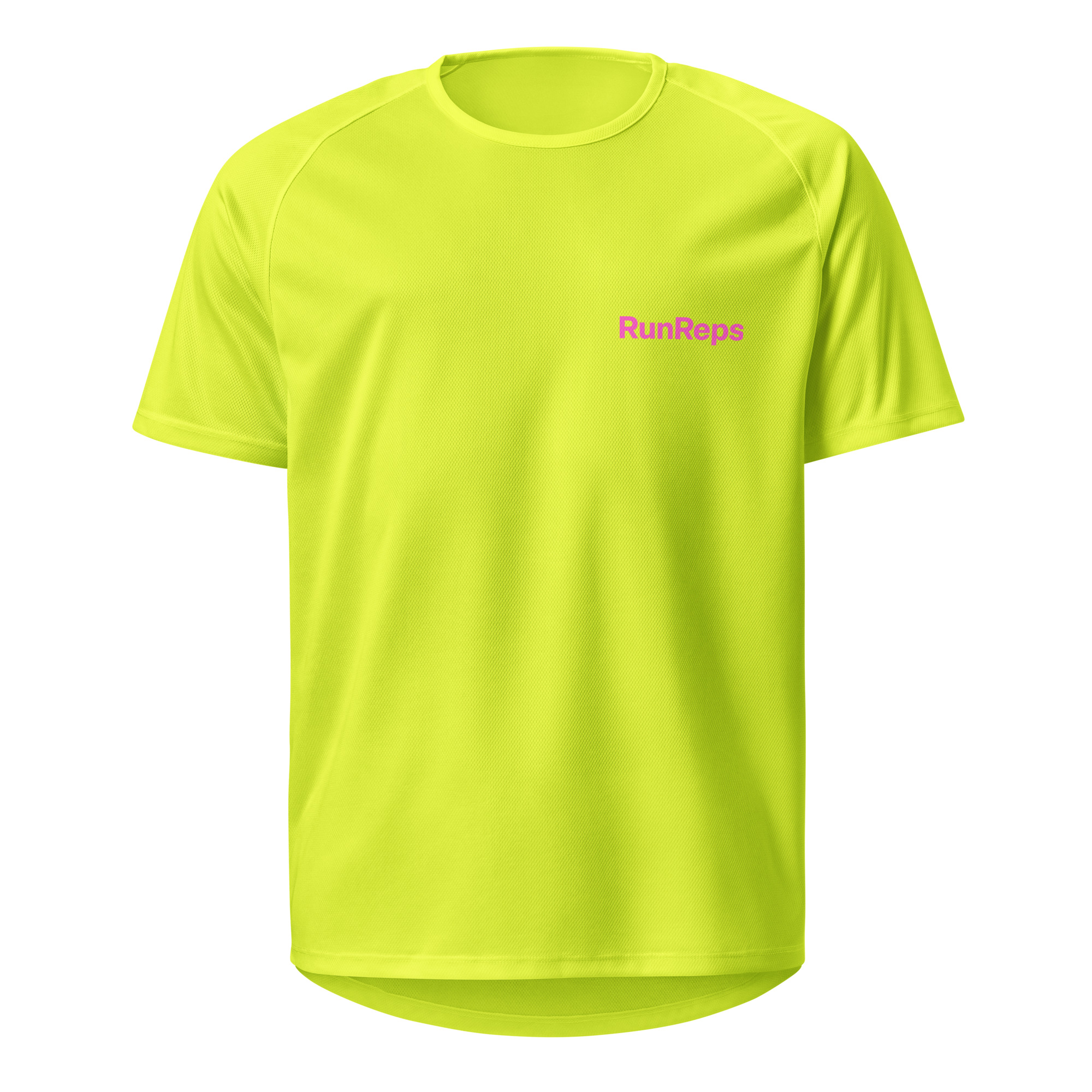
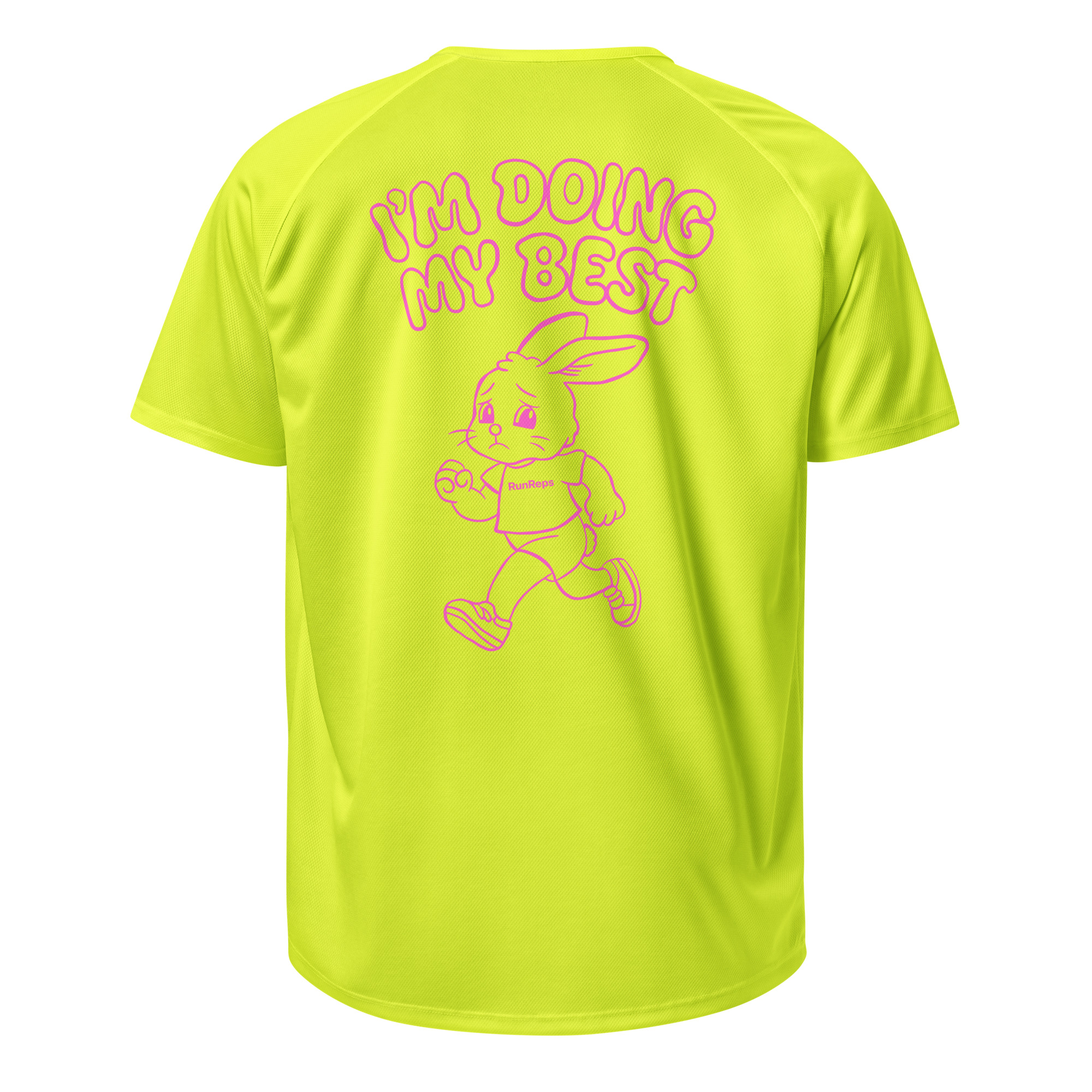
I'm Doing My Best Running Jersey
Lightweight, breathable unisex sports jersey in neon yellow. Designed for runners who keep showing up.
Free worldwide shipping on select orders
RunReps works with retail partners through the Awin affiliate network and earns a commission on qualifying purchases at no extra cost to you.