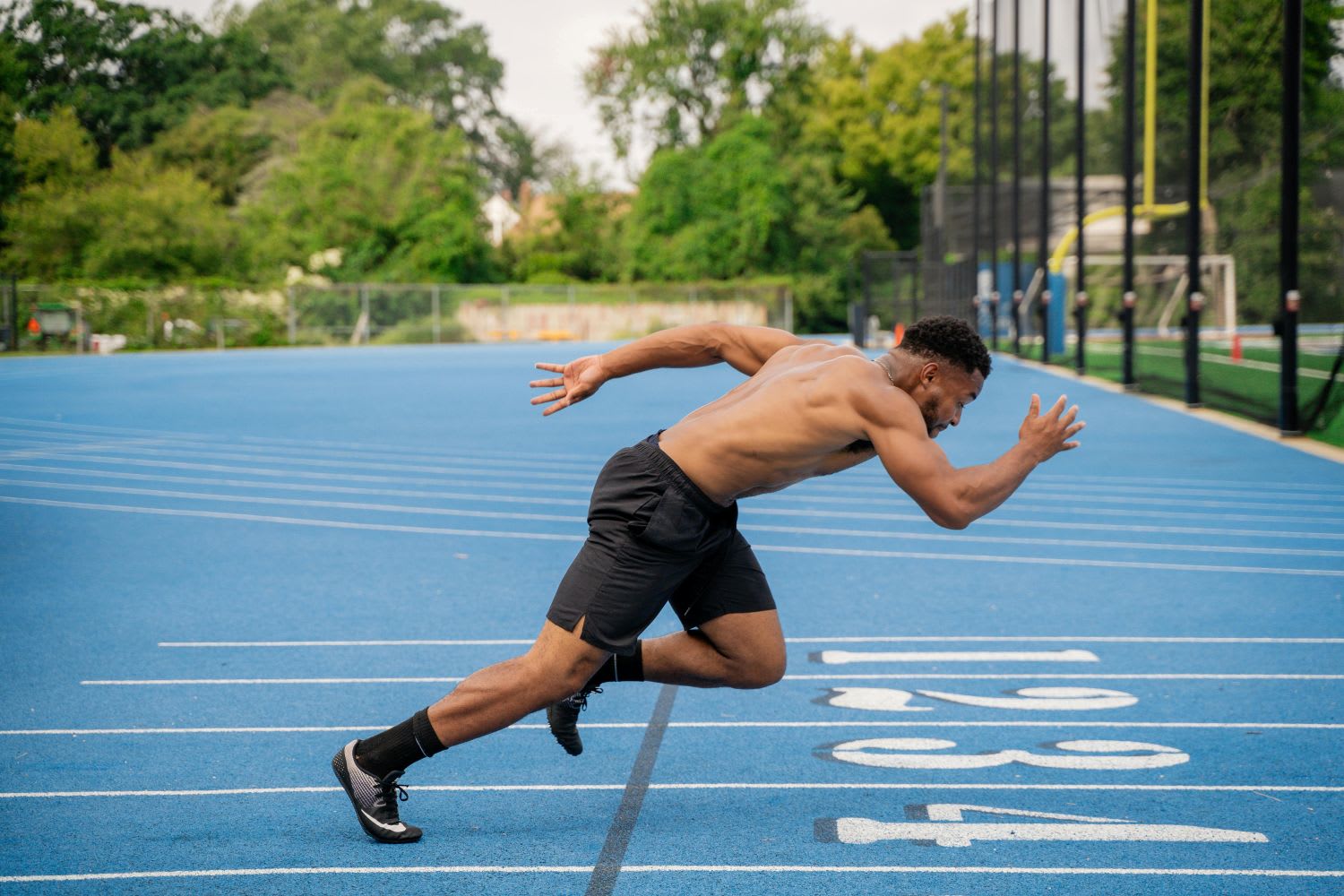
Go somewhere high and your running falls apart in a way that feels personal. The pace that is comfortable at home turns into a fight, your breathing is ragged within a kilometre, and your heart rate sits where a hard tempo normally lives. Nothing about your fitness has changed overnight. The air has simply stopped holding up its end of the bargain. So how does altitude affect running, how much slower should you actually expect to be, and what can you do about it in the days you have?
This guide gives you the real numbers by elevation, explains why the exact same thin air that ruins a distance runner can make a sprinter faster, and shows why a few days at altitude is the worst amount of time you can possibly have.
What Altitude Actually Does to a Running Body
Air at altitude contains the same proportion of oxygen as air at the coast. What changes is the pressure. Higher up, the air is less dense, so each breath delivers fewer oxygen molecules, and the oxygen you do inhale crosses from your lungs into your blood less readily because there is less pressure driving it across. The result is simple and unforgiving: your muscles receive less oxygen than they are used to, and distance running is one of the most oxygen-hungry things a body can do.
The number that captures this is your VO2 max, the ceiling on how much oxygen you can actually use when working flat out. Above roughly 1,500 metres that ceiling starts to fall, and it keeps falling the higher you go. Mexico City sits at about 2,240 metres, roughly 7,350 feet, and a runner arriving there straight from sea level can lose something in the region of a tenth of their aerobic ceiling on day one. You feel it as breathlessness at paces that normally feel easy, a heart rate that sits higher than the effort deserves, and legs that will not respond when you ask for more.
Here is the part that surprises people, and it is the reason so much altitude advice is wildly overblown: your pace does not fall as far as your VO2 max does. Lose a tenth of your aerobic ceiling and you do not lose a tenth of your speed. Pace is not a straight-line function of oxygen uptake, your running economy is unchanged, and the thinner air that starves you also offers slightly less resistance to push through. A double-digit hit to your engine shows up as a low single-digit hit to your pace. That is still enough to ruin a goal race, but it is nothing like the collapse the feeling in your chest suggests.
How Much Slower Will You Actually Be?
For an unacclimatised runner, a reasonable working figure is about 3% slower for every 1,000 metres above 1,000 metres. Below roughly 1,000 metres there is no adjustment worth making. That figure is a middle-distance estimate: a 5k loses a little less than this, and a marathon rather more, because the longer you are out there the more of the work is purely aerobic.
Applied to real paces, the penalty looks like this.
| Altitude | Penalty | 5:30 /km becomes | 6:00 /km becomes | 9:00 /mile becomes |
|---|---|---|---|---|
| 1,000 m | 0% | 5:30 | 6:00 | 9:00 |
| 1,500 m | 1.5% | 5:35 | 6:05 | 9:08 |
| 2,000 m | 3.0% | 5:40 | 6:11 | 9:16 |
| 2,240 m (Mexico City) | 3.7% | 5:42 | 6:13 | 9:20 |
| 2,500 m | 4.5% | 5:45 | 6:16 | 9:24 |
| 3,000 m | 6.0% | 5:50 | 6:22 | 9:32 |
Read those numbers carefully, because they are smaller than most runners expect and smaller than most of the internet claims. Fly a 60-minute 10k runner straight to Mexico City and ask for the same effort, and they come home in about 62:14. That is two minutes and fourteen seconds, not the ten minutes the first kilometre will have you believing. The gap between how catastrophic altitude feels and how much time it actually costs is the single most useful thing to understand before you travel.
The altitude adjustment calculator does this both ways. Give it your sea-level pace and a height and it returns what to expect up there. Give it a pace you actually ran at altitude and it returns the sea-level equivalent, which is the more satisfying direction: run 5:45 per kilometre at 2,240 metres and you have done the work of a 5:33 at home. That is the number worth logging, and it is usually better than you feared while you were gasping through it.
Why Sprinters Fly and Distance Runners Drown at the Same Altitude
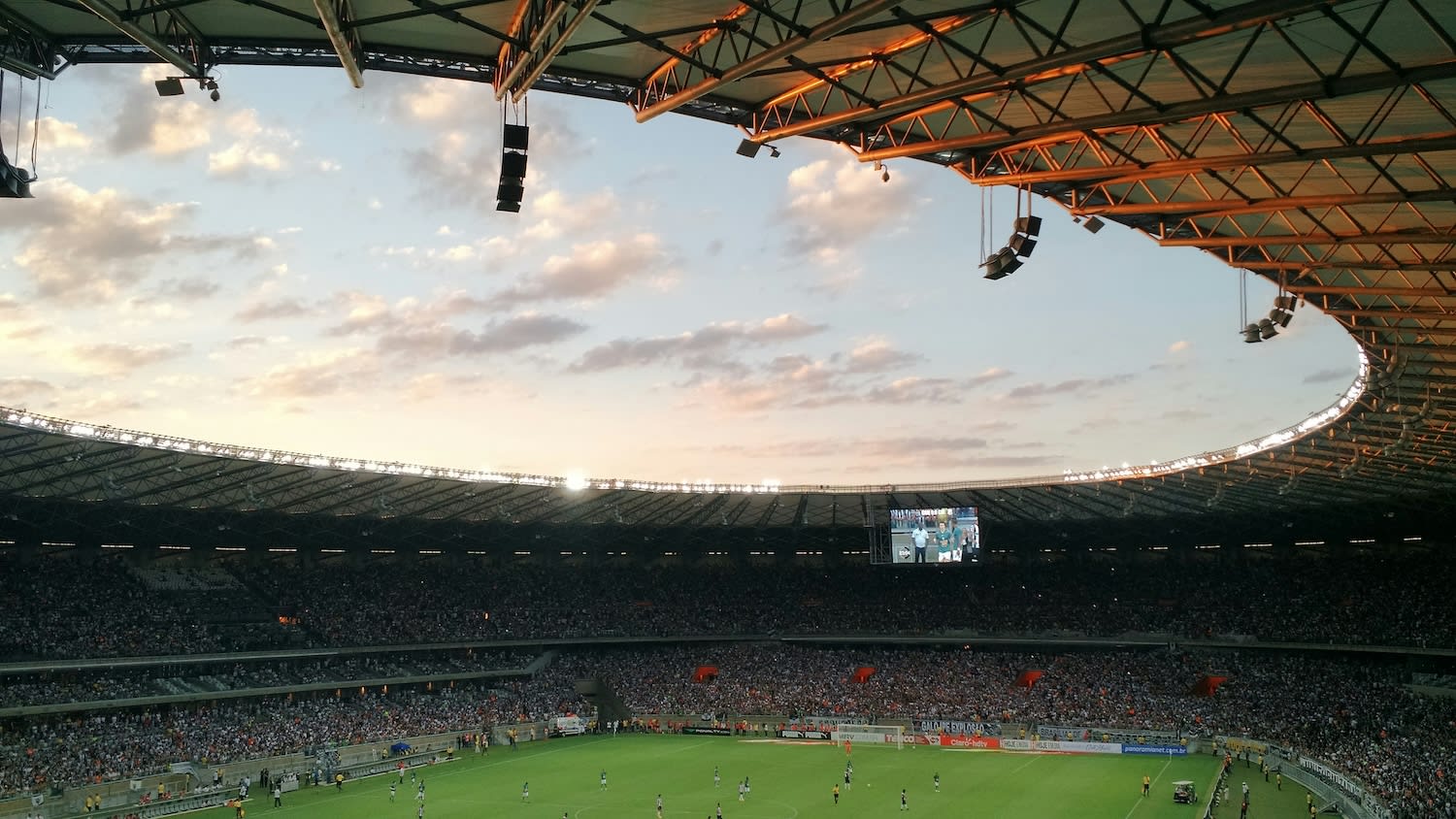
Thin air punishes the aerobic, oxygen-dependent side of running and rewards the explosive, anaerobic side, because less dense air means less resistance to push through. A short sprint is powered mostly by fuel already sitting in the muscle rather than by oxygen arriving in real time, so a sprinter collects the aerodynamic benefit without paying the oxygen bill. It is the same split we found looking at how far footballers run in a match: the one-off sprint and the ninety-minute engine are two different physiological animals.

The proof is written into the record books. The 1968 Olympics were held in Mexico City, and in the explosive events athletes did things nobody had seen before. Bob Beamon long-jumped 8.90 metres, beating the world record by 55 centimetres, a mark that would stand for 23 years. Sprint and jump records fell across the programme.
In the same stadium, the distance runners struggled. The 5,000 metres went to Mohamed Gammoudi in 14:05.0, the slowest winning time since Emil Zátopek’s 14:06.6 in Helsinki sixteen years earlier, and about 2% down on Bob Schul’s 13:48.8 in Tokyo four years before. The marathon told the story more brutally still: Mamo Wolde won in 2:20:26, more than eight minutes slower than Abebe Bikila’s 2:12:11.2 world record in Tokyo in 1964, a gap of a little over 6%. Those two figures bracket the 3.7% in the table above, which is exactly what you would expect: the shorter race lost less, the marathon lost more.
Altitude does not really slow a single hard effort. What it destroys is your ability to keep producing them. The first repetition is close to normal; it is the fourth, and the recovery between them, that falls apart.
For a runner the lesson is the same. Your parkrun sprint finish is not what altitude will steal. It is the steady aerobic engine underneath every distance run, the part that lets you hold a pace mile after mile, that pays the price. If you want to understand why that engine is its own hard-won thing, our guide to why your easy runs are probably too fast covers how it is built and how easily it is squandered.
Why a Few Days Is the Worst Amount of Time to Have
Your body does adapt to altitude, but the headline adaptation, making more red blood cells so your blood can carry more oxygen, is slow. It is driven by the hormone EPO, which tells your bone marrow to increase red cell production, and that takes weeks rather than days. Meaningful gains need something like three to four weeks at altitude, and fuller adaptation takes longer still.

In the first few days you get only the crude responses: you breathe harder, your heart beats faster, and you lose fluid quickly. Those keep you upright but they do not restore lost performance, and they arrive with poor sleep and dead legs. Four to seven days is therefore the worst window available, long enough to feel every symptom and nowhere near long enough to have adapted to any of them. This is why elite endurance runners either arrive weeks early or, counter-intuitively, fly in and race within the first 24 hours before the symptoms fully set in. If a high race is on your calendar, the planning question is not whether to acclimatise but whether you have three weeks or one day, because anything in between is the worst of both.
How to Run Well at Altitude
You do not need an Olympics to meet altitude. A running holiday in the Alps, a race in Colorado or the Sierra Nevada, a trip to Mexico City or the Spanish mountains will all do it. The mistake nearly everyone makes is to chase a sea-level pace and then panic when it feels impossible. Here is the better approach.
- Know your number before you go. Work out what your paces should be at the altitude you are travelling to, so the first run confirms a plan instead of demolishing an assumption. The altitude adjustment calculator gives you the target in seconds; the pace calculator turns it into splits for the distance you are running.
- Expect a low single-digit slowdown, not a collapse. At 2,000 to 2,500 metres you are looking at roughly 3% to 4.5% for the same effort. If you are 20% slower, the problem is pacing or dehydration, not the air.
- Run by effort, exactly like on hills. Altitude is effort-based running in its purest form, the same principle that governs climbing. Our guide to why your effort matters more than your pace on hills applies word for word, and the logic is identical to grade adjusted pace: the effort stays honest even when the number on your watch does not.
- Hydrate harder than feels necessary. You lose fluid faster at altitude through quicker, drier breathing and increased urination, and dehydration makes every altitude symptom worse. Drink more than thirst suggests, especially in the first few days.
- Treat week one as settling in, not training. Keep the efforts genuinely easy and the runs short, and do not judge your fitness by them. By the end of a fortnight the same route feels dramatically better, because your body has quietly started building the red blood cells it needs.
Altitude belongs to the same family as heat, humidity and wind: a condition that rewards the runner who adjusts and punishes the one who pretends it is not there. We return to that theme often in our guide to the impact of weather on running performance.
Altitude and Running: Frequently Asked Questions
At what altitude does running start to feel harder? Most runners notice a clear effect from around 1,500 metres, and it becomes pronounced above 2,000 metres. Below about 1,000 metres there is no adjustment worth making to a typical run.
How much slower will I run at altitude? For an unacclimatised runner, roughly 3% per 1,000 metres above 1,000 metres. At 2,000 metres that is about 11 seconds per kilometre on a 6:00 pace; at 3,000 metres, about 22 seconds. Shorter races lose a little less and the marathon rather more. It improves over the following weeks.
Does altitude affect sprinting the same way? No. Short, explosive efforts of a few seconds are barely harmed and can benefit from the reduced air resistance, which is why sprint and jump records fell at the high-altitude 1968 Olympics while distance times slowed.
How long does it take to acclimatise to altitude for running? The important blood adaptations take roughly three to four weeks, with fuller adaptation taking longer. The first few days are the hardest, which is why a short trip leaves you with all of the symptoms and none of the benefit.
Can I convert an altitude race time to a sea-level equivalent? Yes, and it is worth doing before you write a race off. Enter the pace you actually ran and the height you ran it at into the altitude adjustment calculator, and it returns what that effort would have been worth at sea level.
Altitude is one of the great equalisers in sport. It flatters the sprinter and exposes the distance runner, it hands the home team a fortress and leaves the visitors gasping, and it cannot be beaten in a few days by anyone. But it is also a brilliant teacher, because it forces you to do the thing that makes you better everywhere: stop staring at your pace and start running to your effort. Work out your altitude-adjusted paces before your next trip to the mountains, and let the thin air sharpen your judgement rather than break your run.
Gear to support your training
Good training gear helps you track progress and stay consistent. These are our top picks for runners in structured training.
Garmin Forerunner 265
Track every session with live pace data, training load metrics, and recovery advice. The best mid-range GPS watch.
View on AmazonNike Pegasus
Handles easy runs, tempo work, and long runs. A versatile daily trainer that suits most training plans.
View on AmazonFoam Roller
Speeds up recovery between training sessions. Essential when training load increases.
View on Amazon
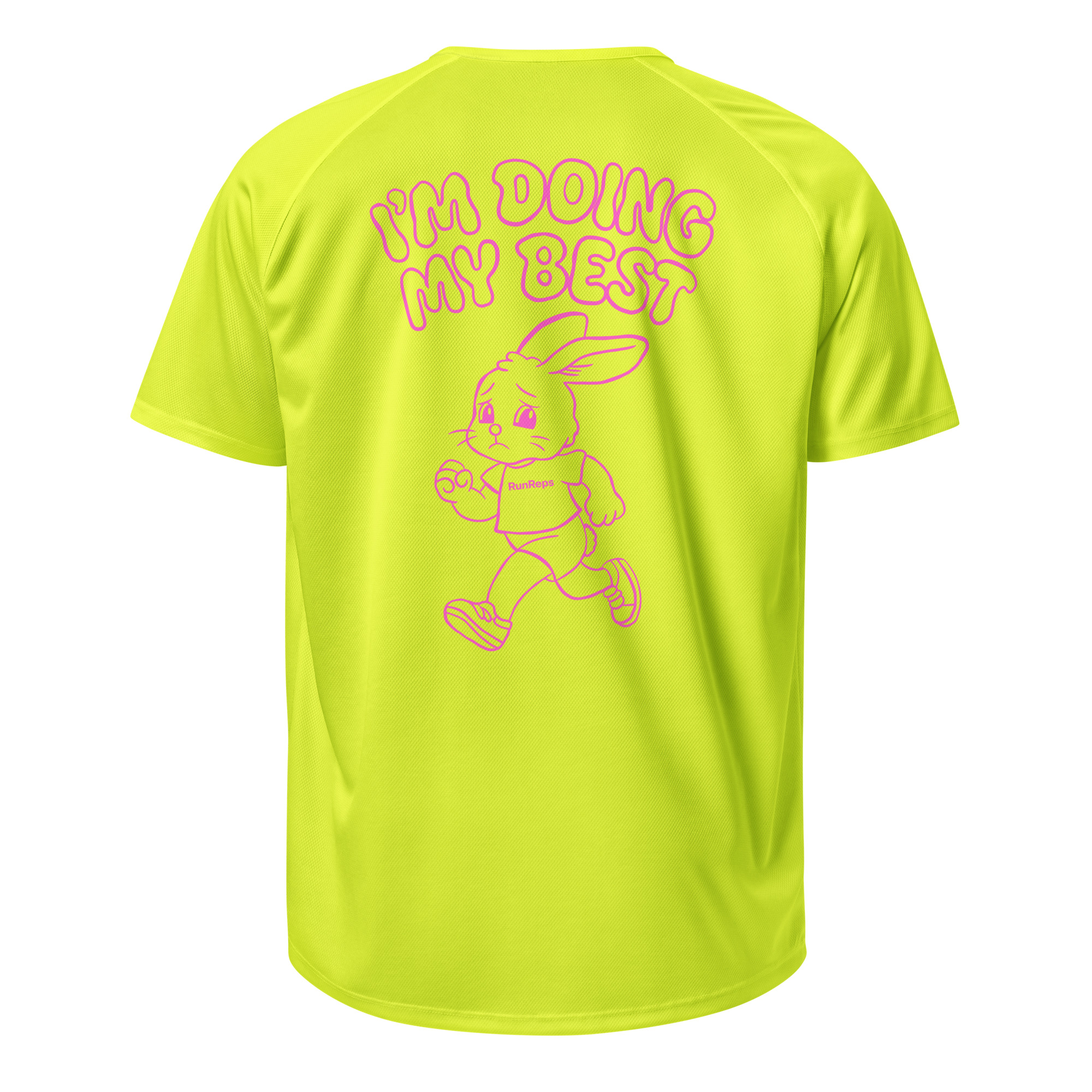
I'm Doing My Best Running Jersey
Lightweight, breathable unisex sports jersey in neon yellow. Designed for runners who keep showing up.
Free worldwide shipping on select orders
RunReps works with retail partners through the Awin affiliate network and earns a commission on qualifying purchases at no extra cost to you.