How to Choose the Right Running Shoes for Your Feet | Expert Guide
Run in Comfort
24 June 2025
Choosing the right running shoes is crucial for both performance and injury prevention. With so many options available, it can be overwhelming to find the best running shoes specifically designed for your feet.
This comprehensive guide will walk you through the essential factors to consider when selecting running shoes, including your foot type, running style, and the importance of proper shoe fitting for runners.
Understanding Your Foot Type
Before you start shopping for running shoes, it’s important to understand your foot type. The shape of your foot can significantly impact your running experience. Here are the three main foot types:
Flat Feet
If you have flat feet, your arch is lower than average, which can lead to overpronation (when your foot rolls inward). Look for running shoes that offer:
- Stability features to control pronation
- Arch support to help distribute pressure evenly
- Good cushioning to absorb impact
High Arches
High arches can lead to supination (when your foot rolls outward), resulting in inadequate shock absorption. To find the best running shoes for high arches, seek:
- Neutral shoes with extra cushioning
- Flexible soles to promote natural foot movement
- Lightweight materials to enhance comfort
Neutral Feet
If you have a neutral foot type, you have a normal arch and a balanced gait. Runners with neutral feet can wear a variety of shoes, but look for:
- Neutral cushioned running shoes
- Good traction for various surfaces
- Support that fits your personal preference

Assessing Your Running Style
Your running style plays a significant role in determining the right shoes for your needs. Factors such as running speed, frequency, and terrain can influence your shoe selection:
Running Frequency
If you run regularly, you may need shoes that offer durability and support for long distances. Consider shoes designed for high mileage. If you’re a casual runner, lightweight options may serve you better.
Running Surface
Different surfaces require different features in your running shoes. Here’s a breakdown:
- Road Running: Look for lightweight shoes with good cushioning for hard surfaces.
- Trail Running: Opt for shoes with rugged tread patterns for traction and protection from debris.
- Treadmill Running: Choose shoes that provide comfort and support, as the cushioned surface reduces impact.
Running Speed
If you’re training for speed, lightweight racing flats or minimal shoes can help enhance your performance. For endurance training, go for well-cushioned shoes.
The Importance of Shoe Fitting for Runners
Proper fit is one of the most critical aspects of choosing the right running shoes. A poorly fitting shoe can lead to blisters, calluses, and even injuries. Here are some tips for achieving the best fit:
Measure Your Feet
Feet can change over time, so it’s essential to measure them regularly. Visit a specialty running store for professional fitting or use a foot measuring tool to determine your size and width.
Try Before You Buy
Always try on running shoes before purchasing. Here are some key tips:
- Wear the same socks you plan to run in.
- Ensure there’s a thumb’s width of space between your longest toe and the end of the shoe.
- Walk or jog around the store to test comfort and fit.
Consider Your Running Socks
The type of socks you wear can affect the fit of your running shoes. Choose moisture-wicking socks that provide cushioning and support. This can help prevent blisters and improve comfort during your runs.
Features to Look for in Running Shoes
When evaluating different running shoes, consider the following features:
Cushioning
Cushioning is essential for absorbing impact and providing comfort. Look for shoes with adequate cushioning that aligns with your foot type and running style.
Arch Support
Proper arch support can help prevent injuries and improve your running efficiency. Choose shoes that offer the right level of support based on your foot type.
Breathability
A breathable upper can help keep your feet cool and dry. Look for shoes made of mesh or other moisture-wicking materials.
Traction
Good traction is vital for stability and control, especially on uneven surfaces. Check the outsole of the shoe for patterns designed to enhance grip.
Testing and Breaking In Your Shoes
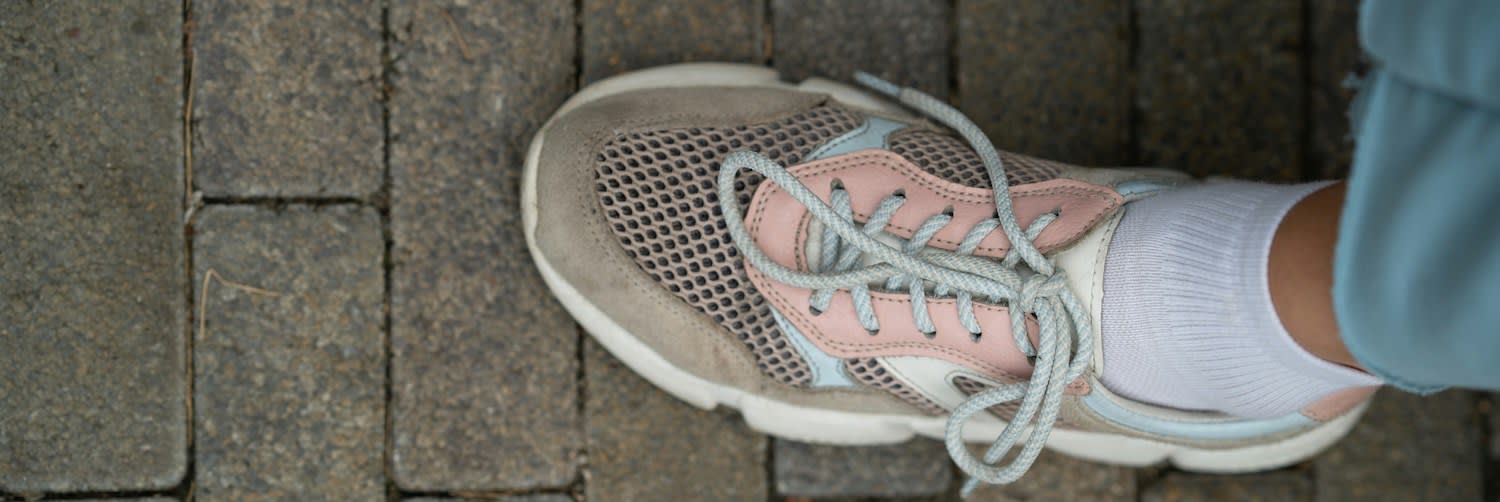
Once you have chosen your running shoes, it’s important to test them out. Here are some tips for breaking in your shoes:
Start Slowly
Begin with short runs to allow your feet to adjust to the new shoes. Gradually increase your mileage as you become more comfortable.
Pay Attention to Discomfort
If you experience significant discomfort or pain, it may be a sign that the shoes are not the right fit for you. Consider returning them or trying a different model.
Regular Assessment
Regularly assess your shoes for wear and tear. Running shoes typically last between 300-500 miles, depending on your weight, running style, and the type of shoe.
Choosing the right running shoes is essential for your running success and overall comfort. Understanding your foot type, running style, and the importance of shoe fitting for runners can help you make an informed decision. Remember to take your time, try on various models, and assess the features that best suit your needs. With the right pair of running shoes, you’ll be ready to hit the pavement, trails, or treadmill with confidence!
Articles similaires
21 November 2025
Forme de course pour les débutants : Comment courir mieux sans trop y penser
Lire →

12 November 2025
Ce qu’il ne faut pas manger la veille d’une course
Lire →

27 October 2025
Royaume-Uni vs États-Unis : repas après la course – ce que les coureurs mangent après avoir couru
Lire →