5K Running Plan Generator
Most first-time 5 km runners overestimate how much weekly mileage they need. A structured plan built around three to four runs per week is usually enough to get you across the line feeling strong.
Generate your plan
Recent race time - optional, but unlocks personalised pace targets
mm:ss or h:mm:ss
Race distance
- 3-4
- Quality and easy runs per week
- 8-10 wk
- Typical plan length
- 20-30 km
- Peak weekly volume
- Under 30 min
- A common first big 5K goal
Why a structured 5 km plan beats winging it
Running without a plan often leads to doing the same pace on every outing, which limits your progress. A 5 km programme balances easy runs, speed work and rest days so your body adapts gradually rather than plateauing after the first couple of weeks.
Even experienced runners benefit from a dedicated 5 km block. Shorter training cycles let you sharpen speed and running economy without the fatigue that comes with marathon-distance volume.
What a typical 5 km plan looks like
Most plans last between six and ten weeks. Beginners start with a mix of running and walking intervals before progressing to continuous running. Intermediate runners focus on tempo efforts and short intervals at target race pace.
The generator adjusts session types and weekly volume based on your current fitness. You will see easy runs, one quality session per week, and a taper in the final seven to ten days before race day.
Setting a realistic 5 km goal time
Your current easy run pace is the best predictor of 5 km potential. If you can comfortably jog 5 km in 35 minutes today, a sub-30 target with eight weeks of training is realistic for most runners. Use the pace calculator to convert recent efforts into a target finish time.
Avoid picking a goal based purely on what sounds impressive. A plan matched to your actual fitness produces better race-day results than chasing someone else's numbers.
Starting a new plan is the perfect time to kit up
Someone who just generated a training plan is ready to run more. Make sure your gear is up to the job.
Nike Pegasus
Versatile daily trainer that handles tempo runs, long runs and easy miles. One of the most popular running shoes year after year.
View on AmazonGarmin Forerunner 265
Tracks every run against your plan, monitors training load, and flags when you're pushing too hard.
View on AmazonFoam Roller
Five minutes of rolling after each run dramatically reduces recovery time and keeps niggles at bay.
View on Amazon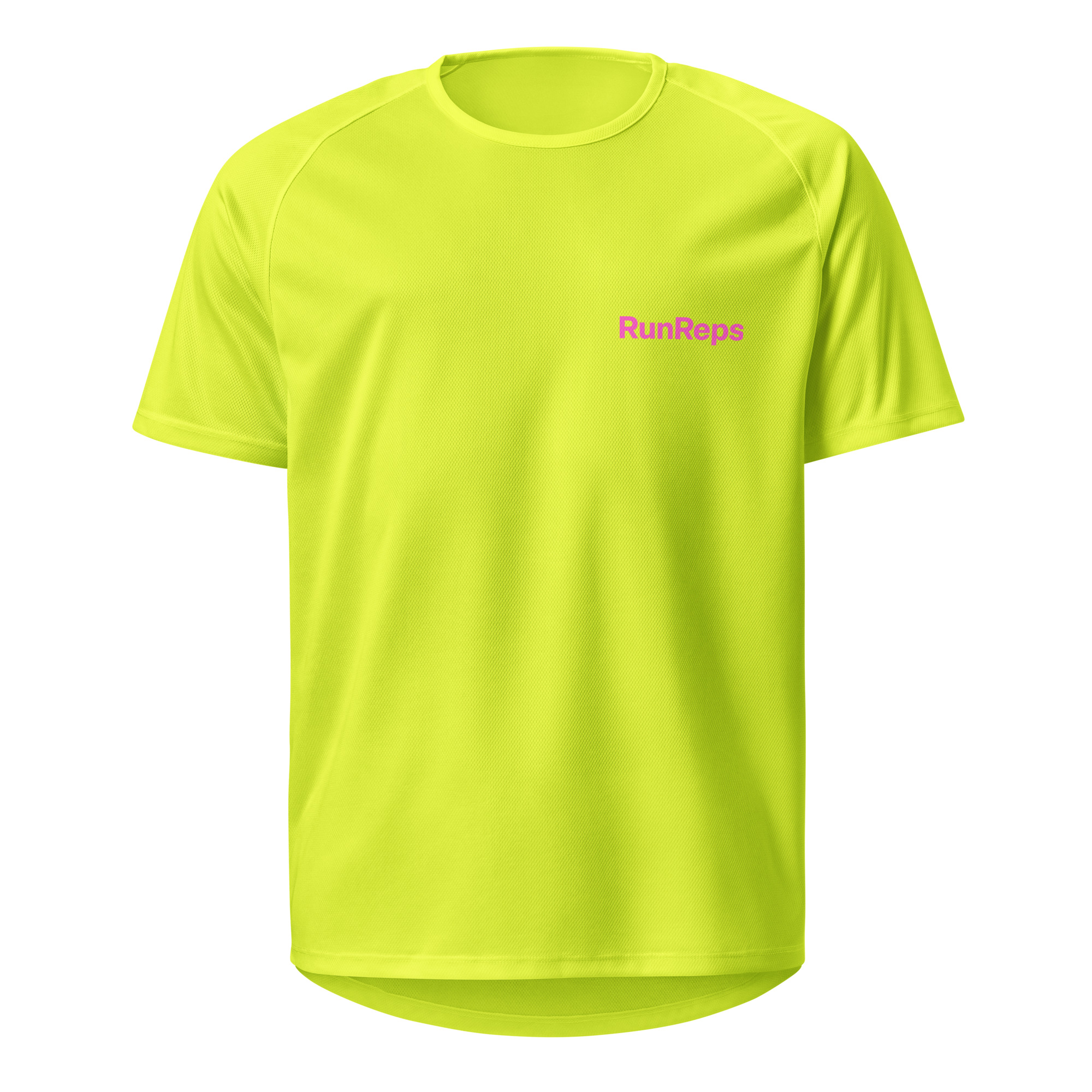

I'm Doing My Best Running Jersey
Lightweight, breathable unisex sports jersey in neon yellow. Designed for runners who keep showing up.
Free worldwide shipping on select orders
RunReps works with retail partners through the Awin affiliate network and earns a commission on qualifying purchases at no extra cost to you.
Frequently asked questions
How many weeks do I need to train for a 5 km race?
Complete beginners should allow eight to ten weeks. Runners who already jog regularly can prepare in six weeks with a more focused plan.
Can I train for a 5 km on three runs per week?
Yes. Three quality sessions per week is sufficient for most 5 km goals, especially when combined with easy walking or cross-training on rest days.
Should I include interval training in a 5 km plan?
Short intervals at or slightly faster than target pace improve your running economy and help you hold pace under fatigue on race day.