Someone on the parkrun start line says they are going for a PB, and the thought lodges. Why not you. If your running has come from C25K or a few months of easy mileage, eight structured weeks is the bridge between finishing 5K and racing it.
What follows is an eight-week block built on three things: controlled speedwork, pacing you can repeat, and a goal time that came from a number rather than a hope. The Running Plan Generator and the Pace Calculator handle the arithmetic so you can spend the eight weeks running.

What Makes an 8 Week 5K PB Plan Different From C25K?
You can already run continuously. The job now is to run efficiently at paces that used to feel unreasonable. Three things do that work:
1. Speed development. Short, fast intervals sharpen turnover and leg stiffness, so 5K pace stops feeling like an emergency.
2. Threshold work. Slightly slower than 5K pace but long enough to build the engine that makes hard running feel sustainable.
3. Race-pace control. Many runners crash halfway through a 5K because the first kilometre is too fast. This plan teaches discipline through structured pacing sessions using the Pace Calculator.
The failure is always the same shape. You feel good on the line, run the first kilometre 20 seconds too quick, and pay for it from halfway. Even pacing is built into every week of this block for that reason alone.
Key Training Concepts That Drive a Faster 5K
Turning speed into usable speed. Plenty of runners can sprint and still cannot hold a strong pace for 20 minutes. Intervals train the holding, not the sprinting.
Lactate threshold. Increasing this threshold allows you to run at a higher percentage of your VO2 max for longer. Tempo runs are placed weekly for this reason.
Repeatable pacing. Most PBs are won by consistency rather than top speed. Race-pace workouts teach you what the target feels like fresh, tired, and with two kilometres left.
Recovery as training. Easy runs and rest days are where the speedwork is absorbed. Skip them and you get the fatigue without the adaptation.
Using tools to sharpen precision. To remove guesswork, plug your target time into the Pace Calculator and keep your splits consistent.
Set a Goal Time You Can Actually Hold
Most 5K blocks are undermined in week one, when the target gets picked out of the air. A time you have never run is a guess, and every session in the eight weeks inherits it.
Riegel’s formula guesses better, because it starts from something you have already done. Take a race you have run, multiply that time by the ratio of the two distances, and raise the ratio to the power of 1.06. The exponent is the whole story: it is greater than one, so every extra kilometre costs slightly more than the last.
Which is why doubling does not work. A 25:00 5K is not a 50:00 10K, it is 52:07. A 1:50:00 half marathon is not a 3:40:00 marathon, it is 3:49:21, more than nine minutes past the number most runners carry in their head.
Run it backwards and it sets your block. A recent 10K in 50:00 is worth about 23:59 for 5K, which makes your target 4:48/km rather than a hopeful 4:30. Put a recent result into the Race Time Predictor, take the 5K figure, and build the eight weeks around it. The formula assumes steady fitness and fair conditions, so treat the number as a starting point rather than a promise.
Step by Step: The 8 Week 5K PB Training Structure
This plan assumes you can currently run 3 to 5 km continuously. If not, start with the Couch to 5K plan.
Weekly Breakdown
Week 1 – Find Your Rhythm
1 x interval session (6 x 400 m at slightly faster than 5K pace), 1 easy run, 1 weekend run with final km at target pace.
Week 2 – Build Control
1 x tempo run (10 to 15 minutes comfortably hard), 1 easy run, 1 progressive run finishing at 5K pace.
Week 3 – Extend Your Strength
1 x threshold session (2 x 1 km at tempo pace), 1 interval set (8 x 300 m fast), 1 easy run.
Week 4 – Sharpen Speed
1 x pyramid session (200–400–800–400–200), 1 tempo, 1 long easy run of 6 to 7 km.
Week 5 – Race Pace Mastery
1 x 3 km at 5K pace (with breaks), 1 easy run, 1 threshold run.
Week 6 – Peak Intensity
1 x interval session (5 x 800 m at 5K pace), 1 moderate run, 1 easy run.
Week 7 – Controlled Taper
Shorter versions of Weeks 5 and 6 with reduced volume but maintained intensity.
Week 8 – Race Week
One short tempo run early in the week, two easy runs, rest before race day.
How to Use Pace Targets
Enter your goal time into the Pace Calculator to get your exact paces for intervals, tempo work, and race sections. If you’re unsure which goal is realistic, the Running Plan Generator uses your current fitness level to produce a personalised plan.
Example Workouts You’ll Follow in This Plan
Speed Session: 400 m Repeats
6 to 8 x 400 m at 5 to 10 seconds faster than target 5K pace. Recover with 200 m jogging. This builds turnover and efficiency.
Threshold Repeat Session
2 x 1 km at comfortably hard effort. This improves your ability to maintain a strong pace without blowing up early.
Race-Pacing Practice
3 km broken into 1 km intervals at your exact target pace. Perfect for runners who panic-pace the first kilometre.
Progressive Long Run
Start easy and finish the final 1 to 1.5 km at 5K pace. This conditions you to run well under fatigue.
FAQs About 5K PB Training
How many days per week should I train for a 5K PB?
Three to four days is enough for most runners over eight weeks. A fifth day only helps if the first four are being recovered from properly.
How do I know if my goal time is realistic?
Start from a race rather than a feeling. Put your most recent result into the Race Time Predictor, then use the Pace Calculator to turn that target into session paces. If those paces fall apart in week three, move the goal rather than the training.
Should I strength train during this block?
Yes. Light strength work (twice weekly) improves running economy and reduces injury risk. Keep sessions short and avoid heavy, high-fatigue lifts in the final three weeks.
What pace should I start the race at?
Use the Negative Split Calculator for a controlled first kilometre. Most PBs come from even pacing rather than a fast start.
Can this plan be adapted for treadmill running?
Yes, with one adjustment. Use the Treadmill Incline Pace Calculator to match the effort you would be making outdoors, then run the sessions as written.
Next Steps: Build Your Personalised 5K PB Plan
Set the target first with the Pace Calculator, then let the Running Plan Generator lay the eight weeks out around it. Pick a number you can defend, then run every session at it.
Gear to support your training
Good training gear helps you track progress and stay consistent. These are our top picks for runners in structured training.
Garmin Forerunner 265
Track every session with live pace data, training load metrics, and recovery advice. The best mid-range GPS watch.
View on AmazonNike Pegasus
Handles easy runs, tempo work, and long runs. A versatile daily trainer that suits most training plans.
View on AmazonFoam Roller
Speeds up recovery between training sessions. Essential when training load increases.
View on AmazonSiS Go Energy Gels
Isotonic gels that go down easily during a race. No need to find a water station to wash them down.
View on Amazon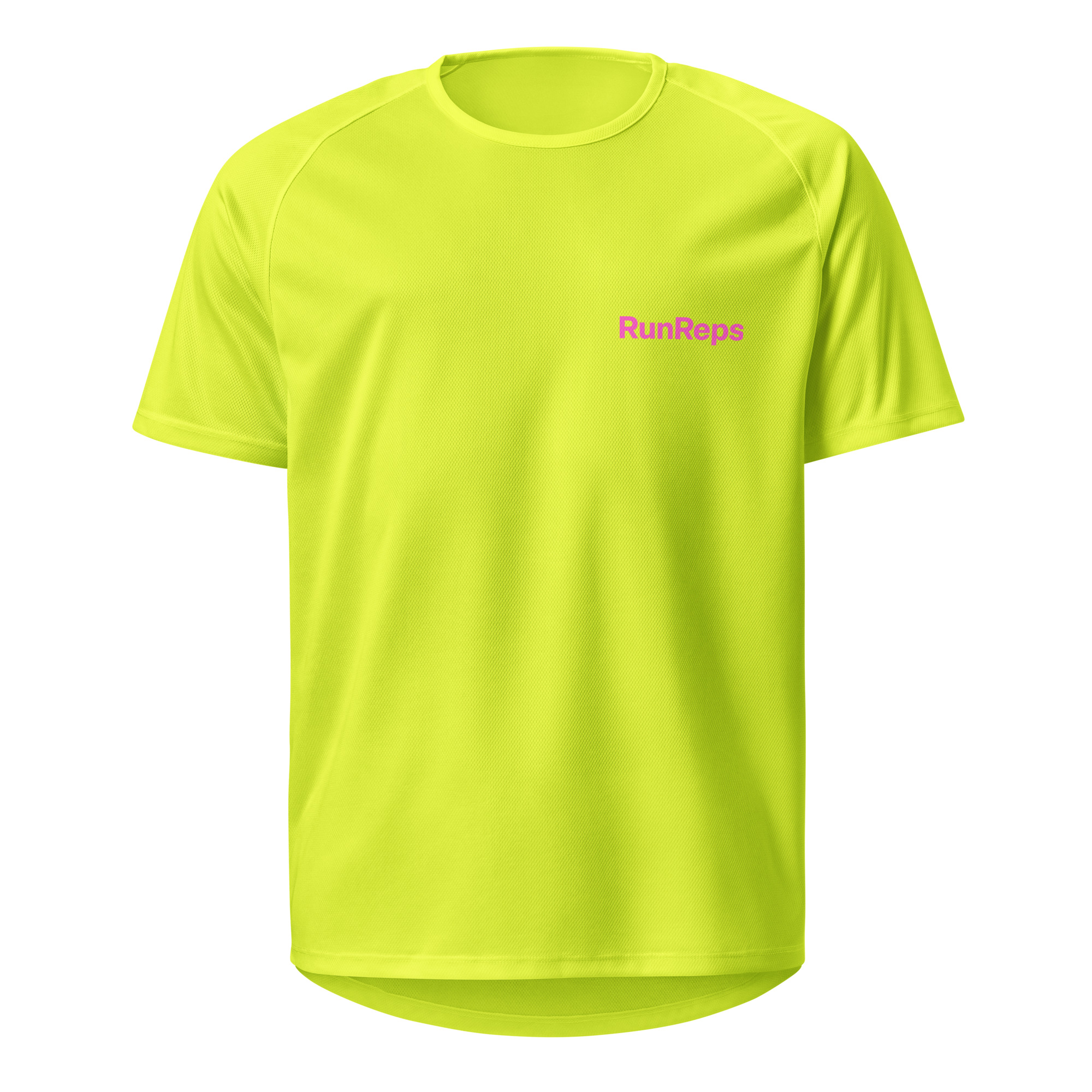
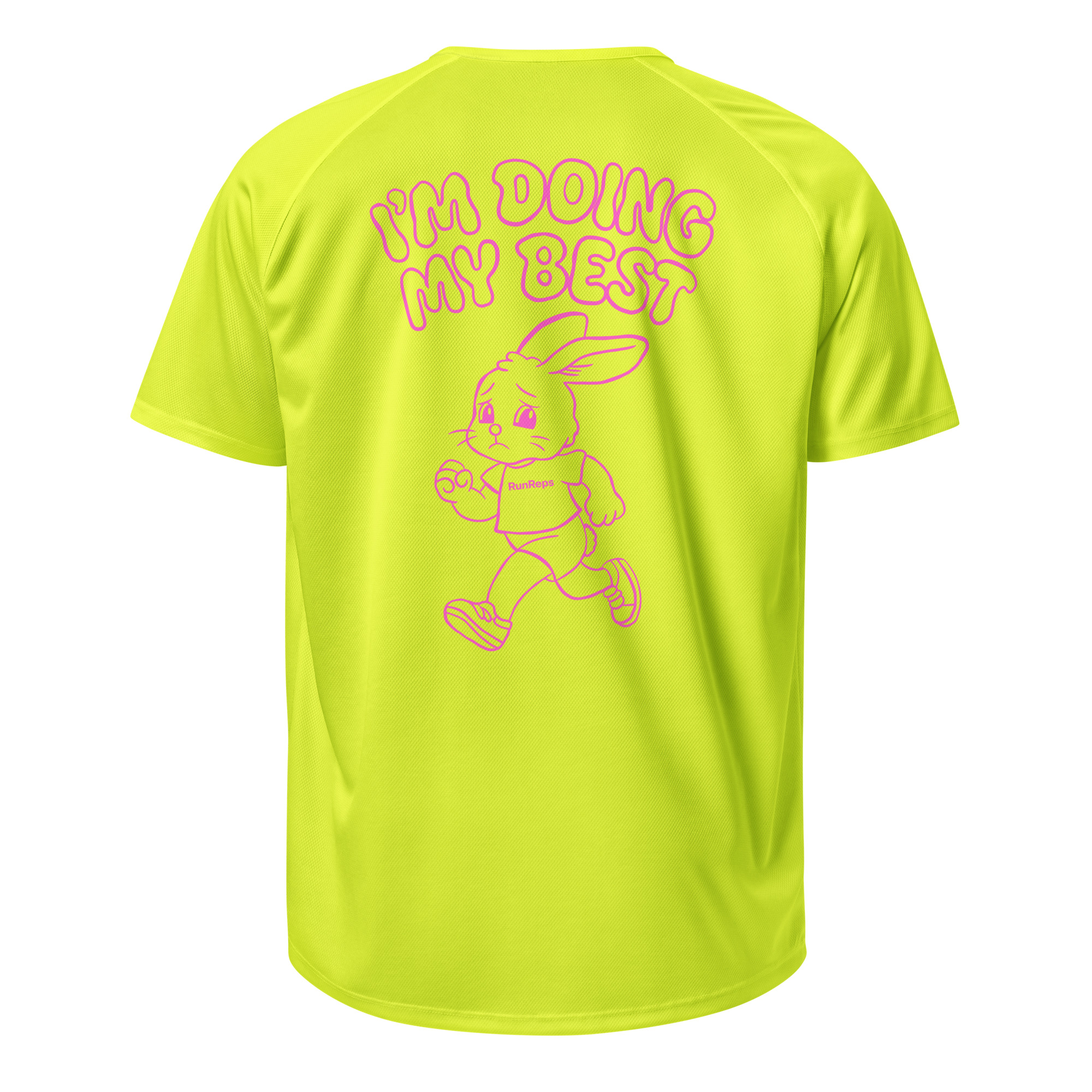
I'm Doing My Best Running Jersey
Lightweight, breathable unisex sports jersey in neon yellow. Designed for runners who keep showing up.
Free worldwide shipping on select orders
RunReps works with retail partners through the Awin affiliate network and earns a commission on qualifying purchases at no extra cost to you.