Running Cadence: How to Improve Your Stride and Efficiency
Reduce the risk of injury, improve your running economy, and run faster
3 September 2025
When it comes to running well, many factors shape your performance and efficiency. One of the most overlooked yet influential elements is running cadence, the number of steps you take per minute. By understanding and optimising your cadence, you can reduce the risk of injury, improve your running economy, and unlock smoother, faster runs.
In this guide, we’ll break down what cadence is, why it matters, how to measure it, and practical strategies to improve your stride. Whether you’re a beginner or a seasoned runner, mastering cadence can help you reach your running goals.
What is Running Cadence?
Running cadence refers to the number of steps you take per minute while running. It is a key component of running form that influences speed, efficiency, and impact on your body. Most experienced runners aim for a cadence of around 170 to 180 steps per minute. However, this isn’t a one-size-fits-all figure, your ideal cadence depends on your height, leg length, biomechanics, and training goals.
Instead of chasing a universal number, think of cadence as a personal benchmark that you can gradually refine for better performance.

Why is Running Cadence Important?
Optimising your cadence can deliver several benefits:
- Improved Efficiency: A higher cadence encourages shorter, quicker steps that use less energy over long distances. This allows you to maintain pace with reduced fatigue.
- Reduced Impact: Quicker steps shorten your ground contact time, lowering the strain on joints and minimising the risk of injuries such as shin splints or runner’s knee.
- Better Form: Focusing on cadence naturally promotes upright posture, midfoot landings, and improved alignment, all hallmarks of an efficient stride.
How to Measure Your Running Cadence
The first step to improving cadence is knowing your baseline. There are several ways to measure it:
1. Count Your Steps
While running at your normal pace, count how many times your right (or left) foot hits the ground in one minute. Multiply that number by two for your total steps per minute. For example, 80 strikes with one foot equates to a cadence of 160.
2. Use a Running App or Watch
Most GPS watches and running apps can automatically track cadence alongside distance, pace, and heart rate. These tools make it easy to review trends over time and spot improvements.
3. Analyse with Tools
If you want deeper insights into how cadence affects your overall performance, try pairing your data with analysis tools such as the Running Plan Generator or the Pace to HR Zone Calculator. These can help you balance cadence, effort, and recovery across your training plan.
Strategies to Improve Running Cadence
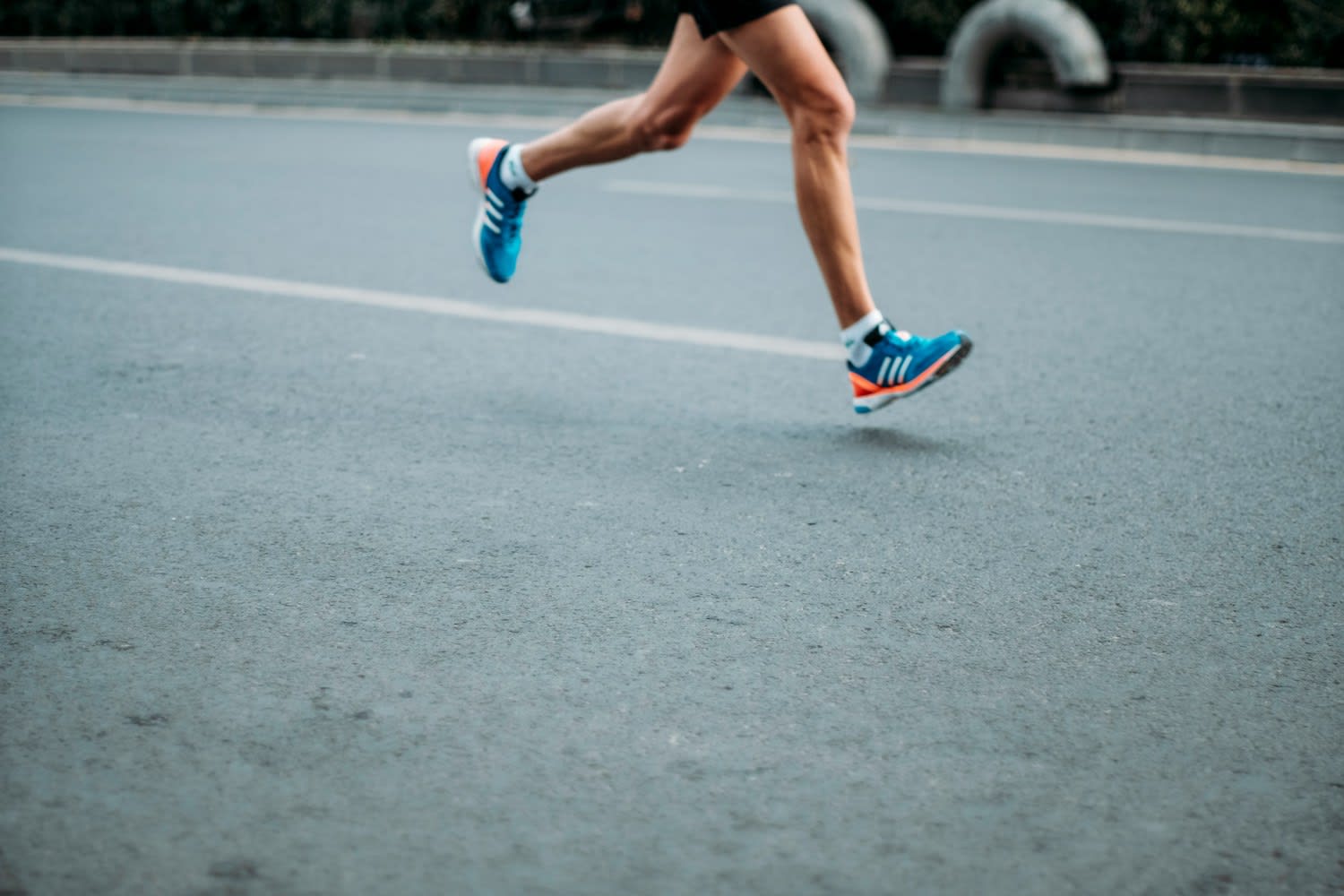
Once you know your current cadence, the next step is making gradual improvements. Here are proven methods:
1. Focus on Shorter Strides
Aim for light, quick steps rather than long, reaching ones. Visualise your feet landing directly beneath your hips, not out in front. This adjustment reduces braking forces and naturally increases cadence.
2. Include Cadence Drills
Drills help train your body to adapt to quicker turnover. Two effective options include:
- High Knees: Jog in place, lifting your knees high while keeping movements quick and controlled.
- Fast Feet: Stand tall and rapidly tap your feet against the ground, focusing on turnover speed.
3. Run to a Rhythm
Using a metronome app or music playlist can help. Pick songs with a beats-per-minute (BPM) close to your target cadence. Running to the beat trains consistency and keeps you motivated.
4. Gradual Increases
Don’t try to overhaul your cadence overnight. Increase by no more than 5% at a time to avoid overloading muscles and joints. For example, if your current cadence is 160, aim for 168 before progressing further.
5. Work on Your Form and Strength
Strengthening your legs and core can make quicker steps feel easier. Combine cadence work with structured workouts and strength training to develop resilience and better running mechanics.
Common Mistakes to Avoid
- Overstriding: Long, heavy strides often slow cadence and increase injury risk.
- Rushing Progress: Jumping straight from 160 to 180 can strain your body. Make changes gradually.
- Ignoring Recovery: Quicker cadence requires adaptation. Use recovery runs and rest days to support progress.
Tracking Progress Over Time
Improving cadence is a long-term process. Regularly track your steps per minute and pair this with pace, heart rate, and perceived effort. Over weeks and months, you should notice smoother strides, improved efficiency, and fewer niggles. For structured support, the Running Plan Generator can build cadence-focused sessions into your training plan.
Final Thoughts
Running cadence is more than just a number, it’s a window into your running form and efficiency. By measuring, adjusting, and consistently practising, you can run faster, longer, and with fewer injuries. Start by finding your baseline cadence, then make small, steady improvements. With the right approach, you’ll not only improve your stride but also enjoy your runs more.
Whether you’re a beginner establishing good habits or an experienced runner chasing personal bests, mastering cadence could be the key to unlocking your potential.