The night before your race is all about balance. You want to top up energy stores without upsetting your stomach or weighing yourself down. While runners often focus on what to eat before a race, knowing what not to eat can be just as important. Poor food choices can lead to bloating, sleeplessness, and even mid-race emergencies — all of which can undo months of training. Here’s what to skip, why it matters, and how to prepare your body for your best performance yet.
Understanding the Goal of Your Pre-Race Meal
The night before a race, your main goal is to replenish glycogen — the stored carbohydrate your muscles rely on for energy. At the same time, you want to avoid anything that slows digestion, causes inflammation, or disrupts your sleep. Think of it as the calm before the storm: you’re fuelling your engine, not overhauling it.
In most cases, 60–70% of your dinner should come from easy-to-digest carbohydrates, around 15–20% from lean protein, and the rest from small amounts of healthy fats. Anything that pushes your system too hard can leave you feeling heavy and sluggish at the start line.
1. Heavy, Fat-Rich Foods
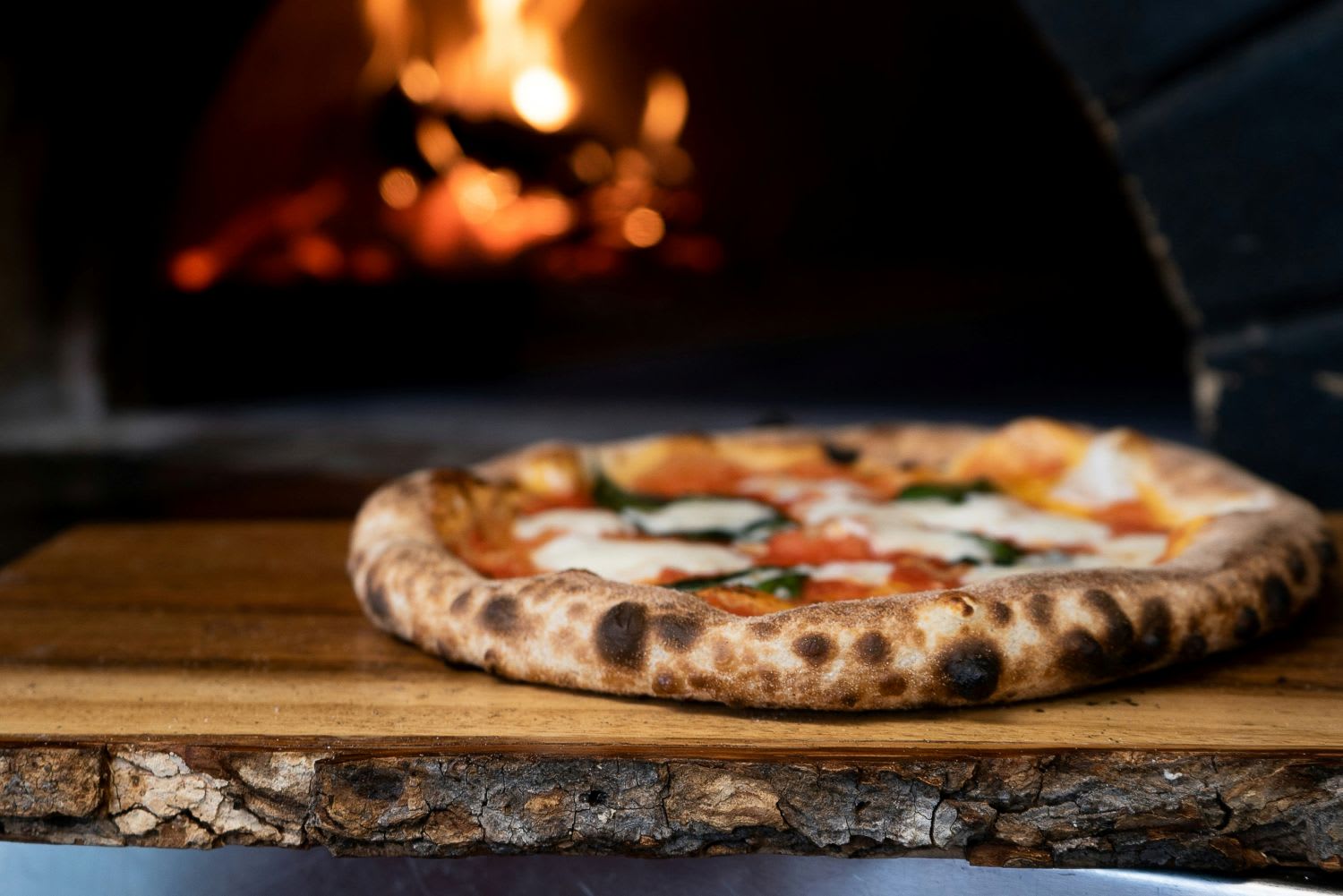
Fat takes far longer to digest than carbohydrates, and consuming large amounts can delay gastric emptying. Burgers, fried food, creamy sauces, or fast food are among the worst offenders. Eating these meals the night before can cause digestive distress, acid reflux, or general discomfort the next morning.
Better choice: grilled chicken, fish, or tofu with white rice, pasta, or boiled potatoes. These meals are light yet provide enough fuel for glycogen restoration without stressing your gut.
2. Spicy and Acidic Foods
Spicy meals like curry, chilli con carne, or anything loaded with hot sauce can irritate your stomach lining. They often lead to heartburn, especially when combined with pre-race nerves. Similarly, tomato-based dishes can increase acidity, leading to discomfort during the night.
Better choice: opt for simple seasoning — olive oil, herbs, and a light tomato or soy-based dressing rather than fiery spices or strong sauces.
3. High-Fibre Foods
Fibre is an essential part of a runner’s diet, but in the 12–24 hours before a race, it’s best to reduce your intake. Foods like lentils, beans, large salads, or cruciferous vegetables (broccoli, cabbage, cauliflower) can cause gas and bloating, increasing the likelihood of an upset stomach on race morning.
Better choice: low-fibre carbohydrates such as white pasta, white rice, peeled potatoes, and ripe bananas.
4. Dairy and Creamy Dishes
Many runners have mild lactose sensitivity without realising it. Consuming milk, cheese, or creamy sauces before bed can lead to cramps or digestive discomfort during your race. Even if you normally tolerate dairy, the stress of competition can make your stomach more reactive.
Better choice: plant-based milk (such as oat or almond) and small amounts of yoghurt if you know you tolerate it well.
5. Alcohol
Even small amounts of alcohol can disrupt your sleep, impair hydration, and elevate your resting heart rate. A restless night or mild dehydration can directly impact your race-day performance. While a glass of wine might calm your nerves, it’s not worth the trade-off.
Better choice: stick to water or electrolyte-enhanced drinks to arrive at the start line properly hydrated. If you need something comforting, herbal tea is a good alternative.
6. Unfamiliar or “Experimental” Foods
Race week is not the time to try something new. Even healthy foods can cause unexpected reactions if your body isn’t used to them. If you’ve never eaten quinoa, sushi, or a certain sports supplement before, save it for after the race.
Better choice: meals you’ve already tested before your long training runs. Consistency is key.
7. Over-Carb Loading
Carb-loading helps improve endurance, but overdoing it can leave you heavy and lethargic. The goal is to increase carbohydrate intake slightly, not eat double portions. Focus on portion control and choose carbohydrates you digest well.
Better choice: spread your carbohydrate intake across all meals the day before your race rather than having one massive dinner.
8. Late-Night Snacking
Eating too close to bedtime can interrupt your sleep and digestion. If you must eat something later in the evening, choose a small, simple snack like an oat bar, banana, or rice cake with peanut butter.
Example Pre-Race Dinner

Here’s what a smart pre-race meal might look like:
- Grilled chicken or tofu
- White rice or pasta
- Cooked carrots, courgettes, or spinach
- Olive oil drizzle or light soy sauce
- Glass of water or electrolyte drink
Timing Your Pre-Race Dinner
Eat your main meal 10–12 hours before the start of your race — typically around 6–7 p.m. for a morning event. This gives your body time to digest fully. If you’re hungry before bed, have a small carbohydrate snack to stabilise blood sugar levels overnight.
Hydration Considerations
Hydration starts the night before. Drink water steadily throughout the day, but avoid overhydrating in the evening to prevent night-time trips to the toilet. Add electrolytes to your final bottle to ensure sodium balance, especially if it’s a warm race.
Race-Day Nutrition in Context
Everything you eat the night before ties into your larger training plan. Proper nutrition complements structured preparation. Tools like the Running Plan Generator can help you align your fuelling strategy with your mileage and pace goals. You can also estimate your race-day intensity using the Pace Calculator or check how elevation might affect your pacing with the Hill Grade Adjusted Pace Calculator.
FAQs
Can I eat pasta the night before a race?
Yes, plain pasta with a light sauce is one of the best pre-race meals. Avoid creamy or spicy toppings, and stick with simple tomato or olive-oil-based options.
Is pizza a bad idea before a race?
A single slice of pizza with light cheese and simple toppings might be fine, but avoid greasy takeaways or heavy crusts. The fat and salt content can lead to bloating and dehydration.
What if my race starts in the evening?
Adjust your eating window accordingly — the same rules apply. Have your main carb-focused meal around 4–5 hours before your start time, with a light snack an hour before you run.
Can I drink coffee the night before?
It’s best avoided. Caffeine can interfere with deep sleep, even if you don’t feel the effects immediately. Save your caffeine boost for race morning.
Should I take supplements or electrolytes the night before?
You can add electrolytes to your water if you’ve sweated heavily that day or expect warm conditions, but avoid new supplements or energy drinks you haven’t tested before.
Related Reading
- 10 Best Pre-Run Meals for Runners (UK Edition)
- 10 Best Post-Run Meals for Runners (UK Edition)
- The Impact of Nutrition Timing on Running Performance
RunReps Tip: Keep your pre-race dinner simple, familiar, and light. The goal isn’t to feast — it’s to fuel smartly so you wake up feeling energised and ready to run your best.


