Ask ten runners to explain the difference between a tempo run and a threshold run and you will get ten different answers, and at least three will insist there is no difference at all. The confusion is understandable, because coaches have used the two terms loosely for decades. But tempo runs vs threshold runs is a distinction worth getting straight, because the two sessions sit at slightly different intensities, build slightly different things, and suit different runners. Run the wrong one for your goal and you leave fitness on the table.

This guide untangles the terminology, sets out the real difference in pace, effort and duration, and shows you which session to reach for depending on your race and your experience.
Why Tempo and Threshold Get Confused
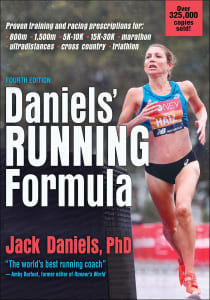
The overlap is not your imagination. The legendary coach Jack Daniels, in his book Daniels’ Running Formula, groups both under a single training zone he calls “Threshold”, defined as a comfortably hard effort you could hold for about an hour, roughly your current 10-mile to half-marathon race pace. Other coaches, including Pete Pfitzinger in Advanced Marathoning, draw a sharper line: a lactate threshold run sits right at the tipping point where lactate starts to accumulate, while a tempo run is often run a touch easier and longer, closer to marathon effort, to build sustainable endurance rather than to nudge the threshold itself.
So the honest answer is that the words describe a spectrum, not two boxes. At one end is a pure threshold effort, precise and right on the line. At the other is a longer, slightly more comfortable tempo. Both live in the “comfortably hard” band that sits above easy running and below interval pain. Knowing where each falls is what lets you train them on purpose instead of by accident.
Coach’s insight: If your tempo run leaves you gasping and counting down the minutes, you have run it as a race, not a tempo. Both tempo and threshold efforts should feel controlled. The moment control disappears, you have drifted into interval territory and lost the steady-state stimulus.
What a Threshold Run Actually Is
A threshold run targets your lactate threshold, the fastest pace you can sustain while your body still clears lactate as quickly as it produces it. Push past it and lactate climbs, your legs flood, and you fade. Train at it and that tipping point shifts to a faster pace over time, so every distance from 5 km to the marathon gets quicker. In practice threshold pace sits at around 85% to 90% of maximum heart rate, the speed you could race hard for roughly an hour, and the effort where you can manage a few words but not a conversation.
Threshold sessions are usually short and exact: a 20 to 40 minute continuous block at threshold pace, or broken cruise intervals such as 5 repetitions of 5 minutes with short recoveries. We cover the full how-to, including the eight-week block that drops your threshold pace, in our guide to lactate threshold training, so this article keeps the focus on how it compares to a tempo run rather than repeating the detail.
What a Tempo Run Actually Is
A tempo run, in the way most runners use the term, is a sustained effort held at “comfortably hard” for a continuous stretch, typically 20 to 40 minutes and sometimes longer for marathon runners. Depending on which coach you follow it sits either right at threshold or a fraction below it, nearer half-marathon to marathon effort. The defining feature is rhythm: you lock into a strong, steady pace and hold it without surging. That sustained discipline is exactly what teaches your body to hold a hard but manageable effort deep into a race when fatigue is begging you to back off.
The practical distinction many runners settle on is this. A tempo run is about teaching the body and mind to sustain a strong pace, often slightly longer and slightly more comfortable. A threshold run is about precisely targeting the lactate turn point to move it faster, often shorter and more exact. Both differ sharply from the faster, harder repeats that build your aerobic ceiling, which we cover in our guide to interval training for runners.
The Real Difference in Pace, Effort and Duration
Strip away the jargon and the comparison comes down to four things.
- Pace: a threshold run sits right at your hour-race pace; a tempo run is at that pace or slightly slower, nearer half-marathon to marathon effort.
- Effort: both are “comfortably hard”, but threshold sits at the firmer end of that band. On heart rate, threshold is around 85% to 90% of maximum, with a classic tempo often a touch below.
- Duration: threshold work is often broken into reps or capped at 20 to 40 minutes to stay precise; tempo runs tend to be continuous and can run longer for endurance athletes.
- Purpose: threshold training moves the lactate line to a faster pace; tempo training builds the stamina to hold a strong pace without breaking rhythm.
To set either pace accurately, start from a recent result. Drop a recent 10 km or half-marathon time into the race time predictor to get your equivalent threshold and tempo paces, then lock the work and recovery for broken sessions with the interval generator so each rep lands on the line rather than creeping over it.
Which Should You Do? Match the Session to the Goal

The right choice depends on your race, your experience and where you are in your training. Work through it like this.
- If you race 5 km or 10 km, lean threshold. Shorter races are run close to or above threshold, so sharpening that exact line pays off directly. Precise threshold reps and cruise intervals are your bread and butter.
- If you race the half or full marathon, lean tempo. These races are won by holding a strong pace for a long time. Longer continuous tempo runs at marathon-to-half effort build the specific stamina the distance demands.
- If you are newer to structured training, start with tempo. A continuous comfortably-hard run is simpler to judge than precise threshold splits, and it builds the rhythm and confidence that make later threshold work more productive.
- If you have a strong base and a clear race goal, use both. Rotate a tempo run and a threshold session across a fortnight, never both as hard efforts in the same few days, and keep every other run genuinely easy.
Whichever you choose, your effort gauge matters as much as the pace on your watch. If you train by heart rate, our breakdown of heart rate zones for runners and the heart rate zone calculator show exactly where the comfortably hard band sits between easy and hard.
How to Programme Both Across a Block
Picture a runner targeting an autumn half marathon off a solid summer base. They build a block around one quality session a week, alternating the two so each does its job without piling fatigue on fatigue.
- Weeks 1 to 3: a continuous tempo run, starting at 20 minutes and growing to 30, to build the rhythm of holding a strong pace.
- Weeks 4 to 6: switch to threshold cruise intervals, for example 5 repetitions of 5 minutes with 60 to 90 seconds easy between, to sharpen the lactate line.
- Weeks 7 to 9: alternate the two week to week, nudging paces only when the effort still feels controlled, with easy running and one long run filling the rest of each week.
One quality session a week is enough for most runners; two is the ceiling for experienced athletes, and only with genuinely easy days around them. Slot the work inside a structured training plan so the hard efforts stay spaced for adaptation rather than fatigue.
Questions Runners Ask About Tempo and Threshold Runs
Are tempo runs and threshold runs the same thing?
Not quite. Some coaches, including Jack Daniels, group them in a single zone, while others separate them. In practice a threshold run sits right at your hour-race pace and lactate turn point, while a tempo run is at that pace or slightly easier and often longer, nearer half-marathon to marathon effort. Both live in the comfortably hard band above easy running and below interval pace.
What pace should a tempo run be?
Run a tempo at “comfortably hard”, roughly the pace you could hold for 45 to 60 minutes of racing, often close to half-marathon to marathon effort. On heart rate that is around 83% to 90% of maximum. You should be able to say a few words but not hold a conversation. Estimate the pace from a recent race with a race time predictor and confirm it by feel on the run.
Which is better for a beginner, tempo or threshold?
Start with tempo runs. A continuous comfortably-hard effort is easier to judge and pace than precise threshold reps, and it builds the rhythm and aerobic strength that make later threshold work more effective. Add structured threshold sessions once you have a consistent base and can hold a steady effort without surging.
How often should you do tempo or threshold runs?
One quality session a week is enough for most runners, and two is the ceiling for experienced athletes in a hard block. These sessions are demanding but repeatable, so the limit is usually total weekly load. Keep every other run genuinely easy so you arrive at each quality session fresh enough to hold the pace.
This article is for general information and is not medical advice. Tempo and threshold sessions place sustained strain on the heart and body. If you are new to structured training, returning from illness or injury, or have any cardiovascular condition, consult a qualified medical professional before adding hard efforts, and build training load gradually.
Gear to support your training
Good training gear helps you track progress and stay consistent. These are our top picks for runners in structured training.
Garmin Forerunner 265
Track every session with live pace data, training load metrics, and recovery advice. The best mid-range GPS watch.
View on AmazonNike Pegasus
Handles easy runs, tempo work, and long runs. A versatile daily trainer that suits most training plans.
View on AmazonFoam Roller
Speeds up recovery between training sessions. Essential when training load increases.
View on Amazon

I'm Doing My Best Running Jersey
Lightweight, breathable unisex sports jersey in neon yellow. Designed for runners who keep showing up.
Free worldwide shipping on select orders
RunReps works with retail partners through the Awin affiliate network and earns a commission on qualifying purchases at no extra cost to you.

