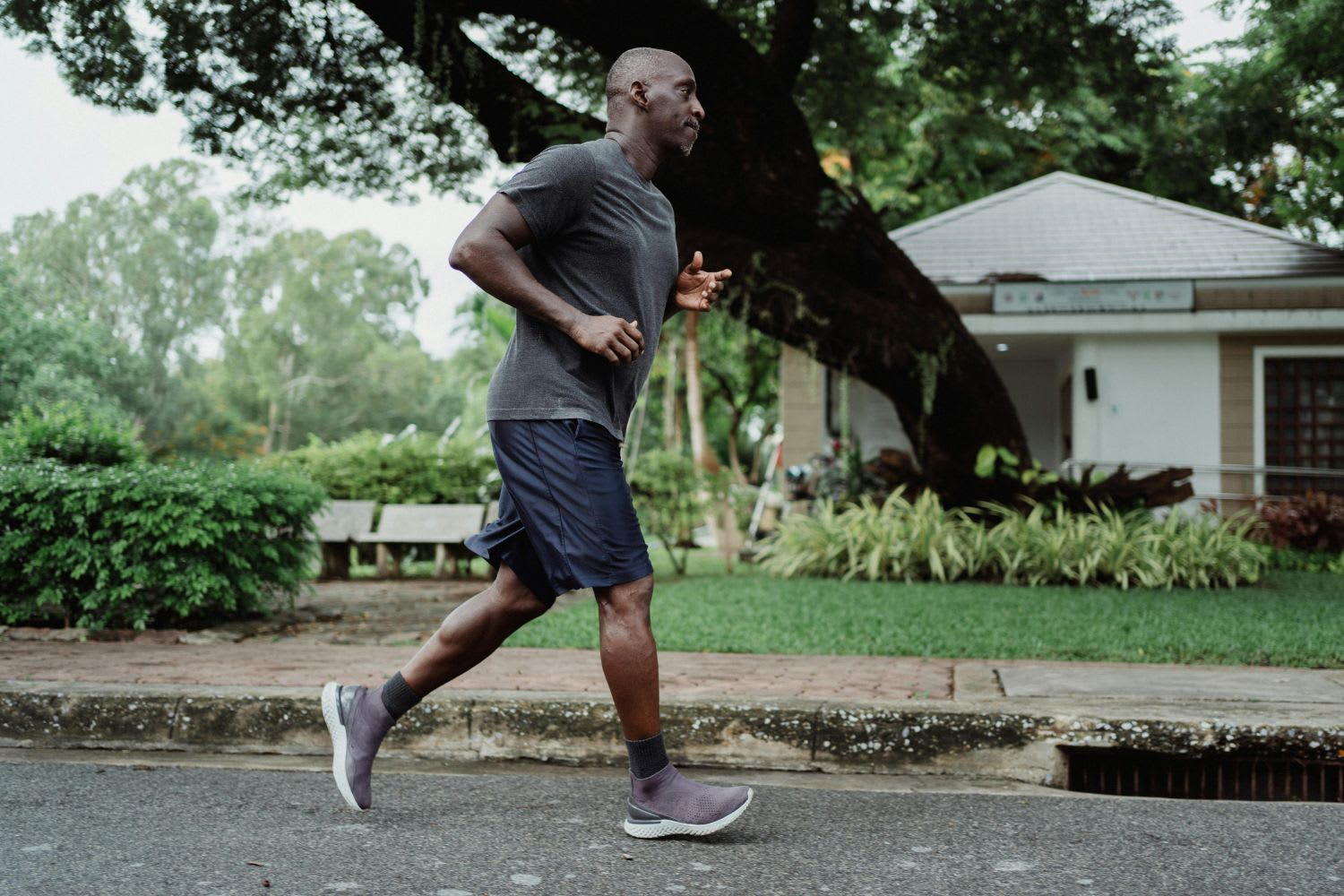
Your first run will probably feel awful. You will be out of breath within 90 seconds, your legs will feel heavy before the end of the street, and you will wonder what possessed you to think this was a good idea. That is normal. Every runner who has ever pinned on a race bib felt exactly this way at some point. The difference between runners and non-runners is not talent or genetics – it is that runners kept going past the first bad run.

The Couch to 5K programme exists because the gap between “I do not run” and “I can run 5 km” is smaller than it feels. Nine weeks. Three runs per week. A structured walk-run plan that builds your aerobic fitness gradually enough that your body adapts without breaking. The programme works. But most guides skip the parts that actually matter – why it feels hard, where most people quit, and what to do when running slow feels like failing.
What the Couch to 5K programme actually is
Couch to 5K – often shortened to C25K – is a nine-week graduated training plan designed to take a complete non-runner to the point where they can run 5 km (or 30 minutes continuously) without stopping. It was created by Josh Clark in 1996 and has since been adapted by running organisations worldwide, including the NHS in the United Kingdom.
The structure is simple: three sessions per week, alternating intervals of walking and running. In week one, you might run for 60 seconds and walk for 90 seconds, repeating that cycle for 20 to 30 minutes. By week nine, you are running continuously for 30 minutes. The progression is not random. Each week increases the running intervals and decreases the walking intervals by small, deliberate amounts.
The programme works because of progressive overload – the same principle that makes any training effective. Your cardiovascular system, muscles, tendons, and joints need stress to adapt, but they need recovery to actually build. Three runs per week with rest days in between gives your body just enough stimulus to improve without accumulating damage. It is not complicated. But it requires patience.
The nine-week structure at a glance
| Week | Run intervals | Walk intervals | Total session time | What to expect |
|---|---|---|---|---|
| 1 | 60 sec x 8 | 90 sec x 8 | 20 min | Harder than expected. That is normal. |
| 2 | 90 sec x 6 | 2 min x 6 | 21 min | Slightly easier. Breathing settles. |
| 3 | 90 sec, 3 min, 90 sec, 3 min | 90 sec, 3 min, 90 sec | 18 min | First real test. The 3-minute runs feel long. |
| 4 | 3 min, 5 min, 3 min, 5 min | 90 sec, 2.5 min, 90 sec | 24 min | The breakthrough week for most people. |
| 5 | 5 min, 8 min, 20 min | 3 min, 3 min, none | 24-26 min | Week 5 run 3 (20 min non-stop) is the big milestone. |
| 6 | 5 min, 8 min, 25 min | 3 min, 3 min, none | 26-28 min | Confidence builds. You are a runner now. |
| 7 | 25 min continuous | None | 25 min | No more walk breaks. Just run. |
| 8 | 28 min continuous | None | 28 min | Distance starts to feel manageable. |
| 9 | 30 min continuous | None | 30 min | You can run 5 km. Done. |
The intervals vary slightly depending on which version of the programme you follow. The NHS Couch to 5K app, for example, uses slightly different timings but follows the same principle. The exact numbers matter less than the progression – each week should feel like a stretch, not a leap.
Why weeks 3 and 4 are where most people quit

The dropout rate for Couch to 5K peaks between weeks 3 and 4. The reason is not physical – it is a mismatch between expectation and reality. In weeks 1 and 2, the walk intervals are generous and the running intervals are short enough that almost anyone can muscle through them. Week 3 introduces the first 3-minute continuous run. Week 4 asks for 5 minutes.
Three minutes does not sound like much. But if you have never run before, 3 minutes of continuous effort feels genuinely long. Your breathing gets ragged. Your legs start to ache. And the voice in your head – the one that has always said “I’m not a runner” – gets louder.
Mark, a 42-year-old teacher from Leeds, started C25K three times before he finished it. Each time, he quit in week 3. “I could not believe how hard the 3-minute runs felt,” he said. “I assumed I was too unfit, that the programme was not designed for someone like me.” The fourth time, he slowed down. Instead of running at what he thought was a proper pace, he ran at a shuffle – barely faster than walking. He finished week 3, then week 4, then the whole programme. His 5K time was 38 minutes, and he did not care.
The fix is almost always the same: run slower. If you cannot hold a conversation while running, you are going too fast. Your body does not care about your pace. It cares about sustained effort within a zone that builds aerobic capacity. That zone – often called Zone 2 – sits at roughly 60 to 70 % of your maximum heart rate. You can check where you sit using a heart rate zone calculator, but the simplest test is the talk test: if you can speak in full sentences, you are in the right zone.
Five mistakes that derail beginner runners
Running too fast. This is the most common mistake and the most damaging. Beginner runners tend to associate “running” with the pace they remember from school PE lessons – sprinting or near-sprinting. Couch to 5K pace should be slow. Embarrassingly slow. So slow that you feel like you should be walking. That pace is where aerobic fitness actually builds – even experienced runners make the mistake of running their easy days too fast. Push harder and you just burn out faster.
Skipping rest days. Rest days are not laziness. They are where adaptation happens. Your muscles repair, your tendons strengthen, and your cardiovascular system consolidates the gains from your last run. Running every day as a beginner dramatically increases your injury risk – particularly shin splints and knee pain. Three runs per week with at least one rest day between each is the structure. Trust it.
Comparing yourself to other runners. You will see people running faster than you. You will see social media posts from people who “breezed through week 5.” Ignore all of it. Your starting fitness is your starting fitness. Your body adapts at its own rate. The only comparison that matters is you this week versus you last week.
Jumping ahead in the programme. If week 3 felt good, it is tempting to skip to week 5. Do not. The progression is designed to build connective tissue strength – tendons and ligaments adapt more slowly than muscles and cardiovascular fitness. Jumping ahead risks injury to structures that are not ready, even if your lungs and legs feel fine. Follow the weeks in order.
Waiting for perfect conditions. There is no perfect day to start running. It will be too cold, too warm, too rainy, too windy, or too dark. If you wait for ideal conditions, you will wait forever. Check the weather forecast if it helps you dress appropriately, but do not let the conditions become an excuse. Some of the best runs happen in light rain.
The gear you actually need
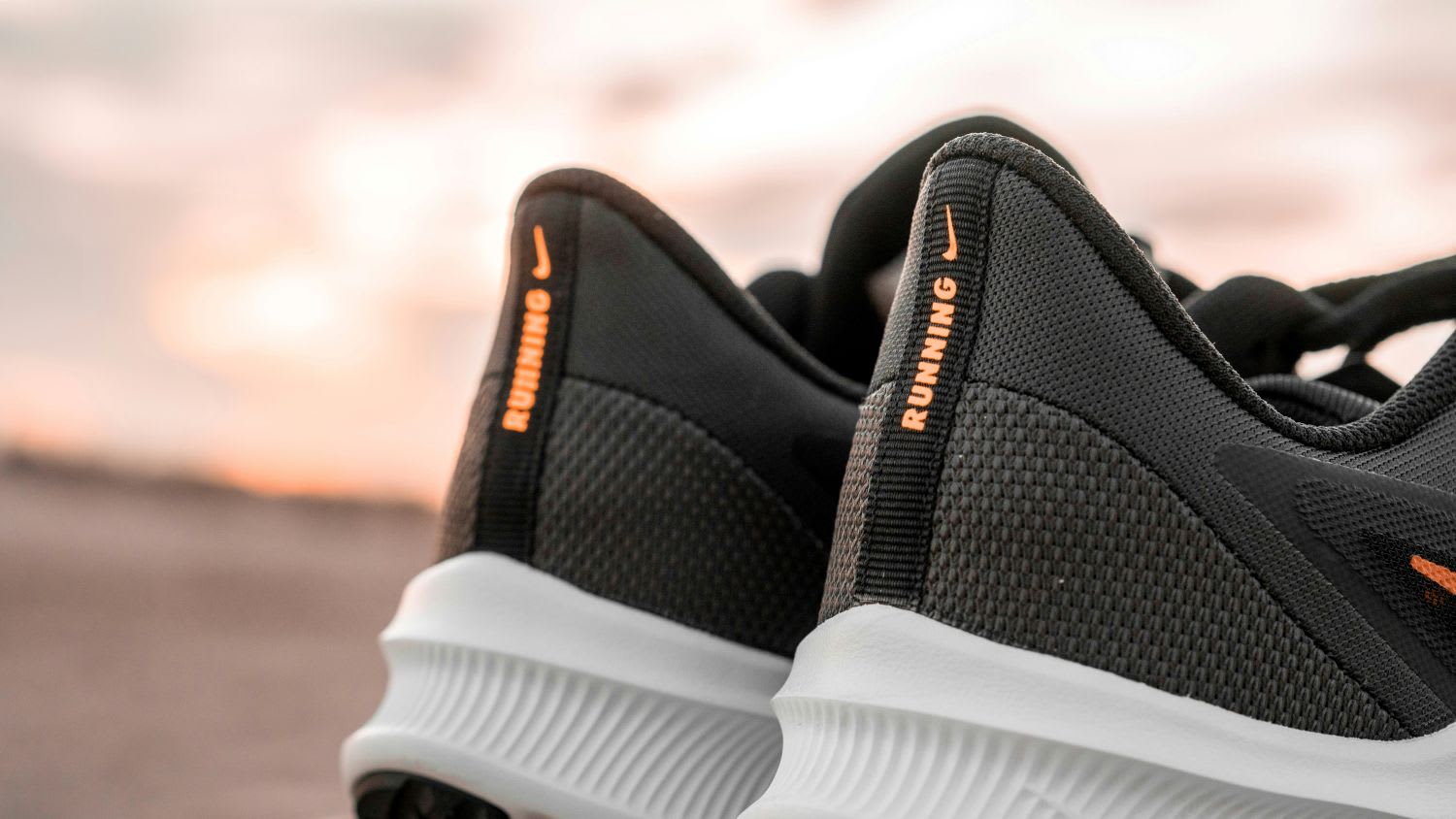
You need running shoes. Not fashion trainers, not gym shoes – a pair of dedicated running shoes from a running shop where staff watch you walk or run and recommend a shoe that suits your gait. This is the one purchase worth making before you start. Everything else is optional.
Beyond shoes: wear whatever you have. A cotton t-shirt will do for the first few weeks. If you stick with the programme and find that chafing becomes a problem, upgrade to a synthetic or merino top. Sports bras matter if they apply to you – get fitted properly. Shorts or leggings, whichever you prefer. A phone armband or running belt if you want to follow along with the app.
Do not buy a GPS watch, a hydration vest, compression socks, or specialist nutrition before you have finished week 4. Most of that gear solves problems you do not have yet. Spend the money after you know you enjoy running.
What happens after you finish the programme
You can run 5 km. Now what? You have three good options:
Get faster at 5 km. Your first 5 km time is a baseline, not a ceiling. Many runners find that simply running three times per week at a comfortable effort drops their time significantly over the next 8 to 12 weeks. Use a pace calculator to understand your current pace and set a realistic target.
Build toward 10 km. The jump from 5 km to 10 km follows the same principles as C25K – gradual increases in duration, consistent rest, effort-based pacing. A personalised running plan can map out the next 8 to 12 weeks based on your current fitness.
Run your first parkrun. Parkrun is a free, timed 5 km event held every Saturday morning in parks across the United Kingdom and worldwide. It is the natural next step for a C25K graduate. You will run with people of every pace, every age, and every background. Nobody cares how fast you are. You can walk sections if you need to. And crossing the finish line of your first event – even if you already ran 5 km in training – feels different. It feels real.
Wherever you go next, your running should match your goals. Predict your race time from your C25K finish to see where your fitness sits, and explore structured workouts when you are ready to add variety beyond steady runs.
Common doubts every Couch to 5K beginner has
Can I do Couch to 5K if I am overweight?
Yes. The programme is designed for beginners of all body types. The walk-run structure means you are never asking your body to sustain more effort than it can handle at that stage. If you find the running intervals too hard, repeat a week before moving on – there is no deadline. The only adjustment worth making is investing in proper running shoes, as good cushioning matters more at higher body weights. If you have any joint concerns, check with a doctor before starting.
Is it okay to walk during the running intervals?
If you need to walk, walk. The programme is a guide, not a contract. Many successful C25K graduates repeated weeks or added extra walking intervals in the early stages. The goal is to build the habit of getting out three times per week. Finishing a session with extra walk breaks is better than skipping it entirely. As your fitness builds, the walk breaks will naturally shrink.
How slow is too slow for Couch to 5K?
There is no such thing as too slow. If you are moving your feet in a running motion – even at a pace that a fast walker could match – you are running. Many C25K runners finish their first 5 km at 8:00 to 10:00 min/km, and that is completely fine. Speed comes later, after your aerobic base is built. Your only job in the programme is to keep showing up and keep moving.
Can I do Couch to 5K on a treadmill?
Absolutely. Treadmills are a perfectly valid way to follow the programme, especially if weather, safety, or self-consciousness make outdoor running difficult at first. Set the incline to 1 % to roughly simulate outdoor effort. The only thing you miss is learning to pace yourself without a belt speed – but that comes naturally when you eventually move outside. Use a Couch to 5K plan to follow along week by week.
I have tried Couch to 5K before and quit. What should I do differently?
Run slower. Almost every person who quits C25K quits because the running intervals feel too hard, and they feel too hard because the pace is too fast. On your next attempt, run at a pace where you could hold a conversation. If you cannot talk, slow down. If you still cannot talk, slow down more. The programme is not testing your speed. It is building your endurance. Give your body the easy pace it needs and the weeks will start to flow.
This article is for informational purposes only and does not constitute medical advice. If you have any pre-existing health conditions, joint problems, or concerns about starting an exercise programme, consult a qualified medical professional before beginning Couch to 5K or any running plan.
Recommended running gear
Whether you are just getting started or looking to upgrade, these are solid choices that suit most runners.
Garmin Forerunner 265
The best mid-range GPS watch for runners. AMOLED display, accurate pace tracking, and training load insights.
View on AmazonNike Pegasus
A versatile daily trainer suitable for easy runs, tempo sessions, and race day. One of the most popular running shoes.
View on AmazonFoam Roller
Helps with recovery after runs. A simple, affordable tool that reduces muscle soreness and tightness.
View on Amazon