How Running Improves Your Sleep Quality
Improve Your Sleep Quality and Health
7 April 2025
Sleep and running are surprisingly interconnected. If you’ve ever struggled with insomnia or waking up tired, adding regular running to your routine might significantly improve your sleep quality and overall health.
Will Running Make You Sleep Better?
Absolutely! Running regularly helps regulate your circadian rhythm, the internal clock controlling sleep-wake cycles. Moderate-intensity running enhances deep sleep, making you feel more rested and energized upon waking. Studies consistently show runners experience better sleep efficiency (time asleep vs. time in bed), deeper sleep stages, and fewer wake-ups during the night.
Will Running 30 Minutes Regularly Improve Your Sleep?
Yes, running just 30 minutes a day, particularly at moderate intensity, significantly boosts sleep quality. Regular cardiovascular exercise reduces anxiety and stress, common culprits for sleep disruptions. The consistency of daily runs enhances melatonin production, the hormone responsible for promoting restful sleep.
Is It a Good Idea to Run Before Bed? Is 8 PM Too Late to Run?
Timing matters when it comes to running before bed. For most people, running 2-3 hours before bedtime is beneficial. However, some individuals may experience increased alertness immediately after running. Generally, an 8 PM run is not too late if bedtime is around 10–11 PM, allowing the body to cool down and relax afterward. Individual responses vary, so experimenting with timing is crucial.
Why Does Running at Night Feel So Good?

Nighttime runs can be particularly enjoyable due to cooler temperatures, reduced stress after a busy day, and the peaceful quietness that allows for reflection and relaxation. Running at night can also serve as an effective mental reset, clearing the mind and preparing the body for restful sleep.
Does Running Make You Better in Bed?
Interestingly, regular running can boost your performance and satisfaction in bed. Running improves cardiovascular health, endurance, and circulation, all factors contributing to enhanced sexual health. Additionally, runners often report increased confidence and body positivity, which further improves intimacy.
Can Jogging Reduce Belly Fat?
Yes, jogging regularly helps reduce belly fat effectively. Aerobic exercises like running burn calories, improve metabolism, and significantly decrease visceral fat, the harmful fat surrounding internal organs. Incorporating jogging consistently into your routine not only boosts sleep but also helps achieve healthier body composition.
Why Do Runners Sleep So Much?
Runners often require more sleep due to their high energy expenditure. Sleep is vital for muscle repair, recovery, and preventing injury. The physical demand of running increases the body’s need for deep, restorative sleep, leading runners to naturally seek additional rest to maintain performance and health.
Professional athletes frequently emphasise the importance of sleep. Marathon world record holder Eliud Kipchoge reportedly sleeps around 8-9 hours per night and takes daily naps.
Olympic medalist sprinter Allyson Felix also mentions aiming for about 9-10 hours of sleep during intense training periods. NBA superstar LeBron James prioritises sleep, often getting about 10-12 hours per night to enhance his recovery and performance.
What Is the Best Exercise for Sleep?
Moderate-intensity aerobic exercises like running, jogging, and cycling are among the best for improving sleep quality. These exercises promote deep sleep, decrease stress, and enhance overall sleep architecture. Among these, running stands out for its convenience, effectiveness, and minimal equipment requirements.
To maximise these benefits, consider creating a personalised running plan tailored to your schedule and fitness goals. Having a structured plan helps maintain consistency, encourages regular exercise, and ultimately leads to better sleep and overall well-being.
Gear to support your training
Good training gear helps you track progress and stay consistent. These are our top picks for runners in structured training.
Garmin Forerunner 265
Track every session with live pace data, training load metrics, and recovery advice. The best mid-range GPS watch.
View on AmazonNike Pegasus
Handles easy runs, tempo work, and long runs. A versatile daily trainer that suits most training plans.
View on AmazonFoam Roller
Speeds up recovery between training sessions. Essential when training load increases.
View on AmazonCompression Socks
Improve circulation and reduce calf soreness after long runs or races. Wear them for a few hours post-run.
View on Amazon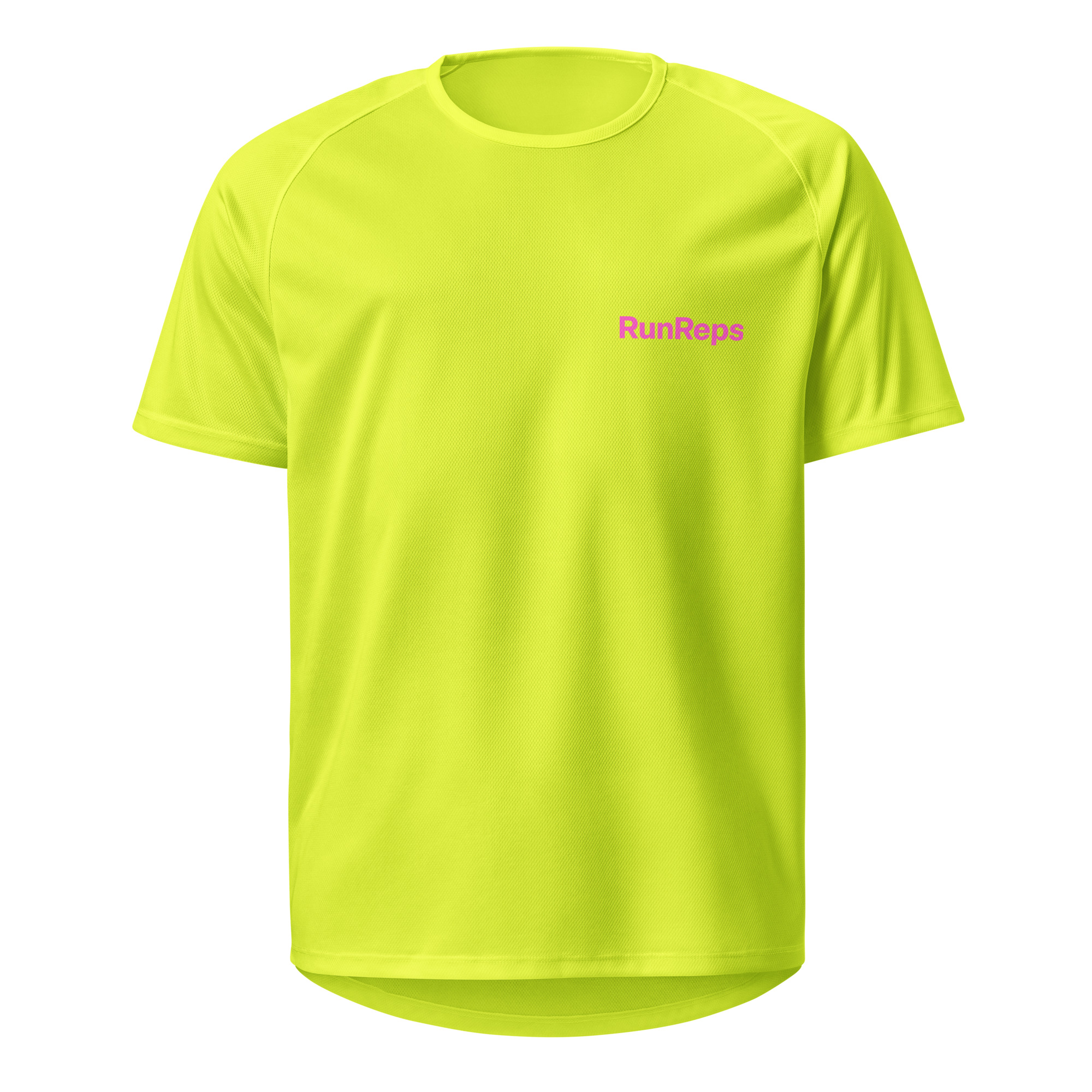
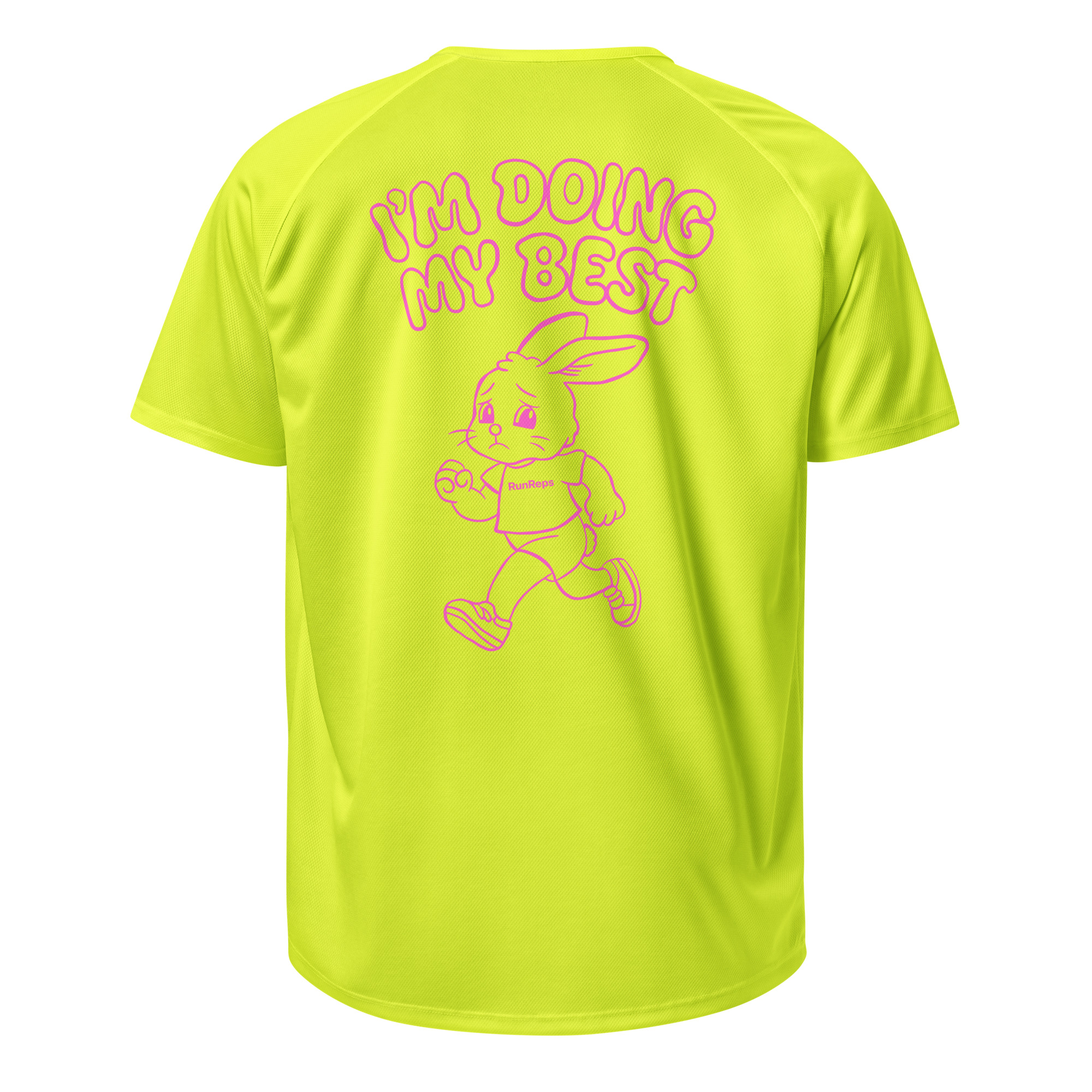
I'm Doing My Best Running Jersey
Lightweight, breathable unisex sports jersey in neon yellow. Designed for runners who keep showing up.
Free worldwide shipping on select orders
RunReps works with retail partners through the Awin affiliate network and earns a commission on qualifying purchases at no extra cost to you.