Wind Adjusted Pace Calculator
Find out how headwind, tailwind, or crosswind affects your running pace. Based on aerodynamic drag research by Pugh (1971) and Kyle (1979).
Gear for running in all conditions
Wind affects pacing more than most runners realise. The right watch and shoes help you adapt.
Garmin Forerunner 265
Real-time pace tracking so you can adjust effort when running into headwinds. Multi-band GPS stays accurate in all conditions.
View on AmazonNike Pegasus
Responsive daily trainer that handles well in variable conditions. Good grip and stable platform.
View on Amazon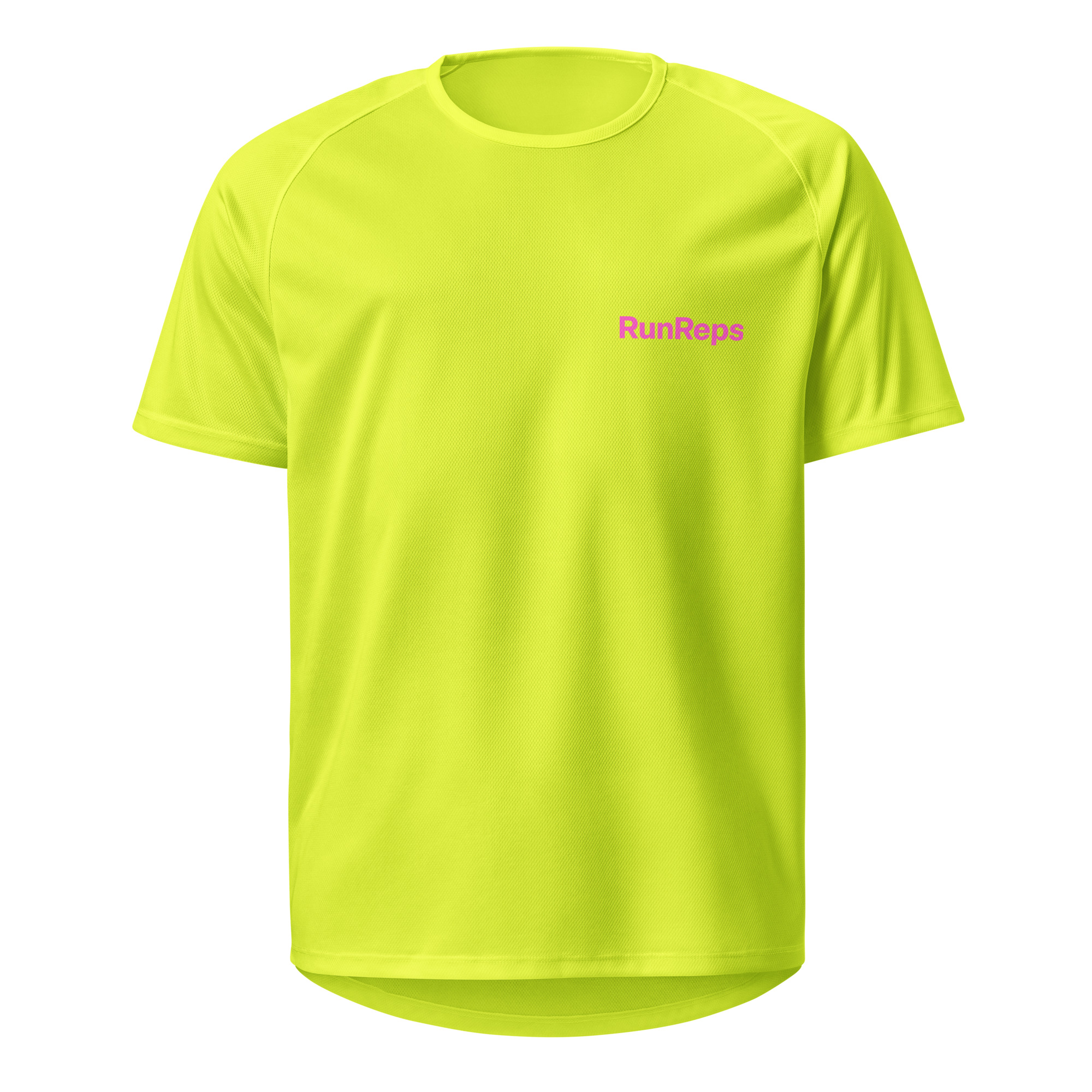
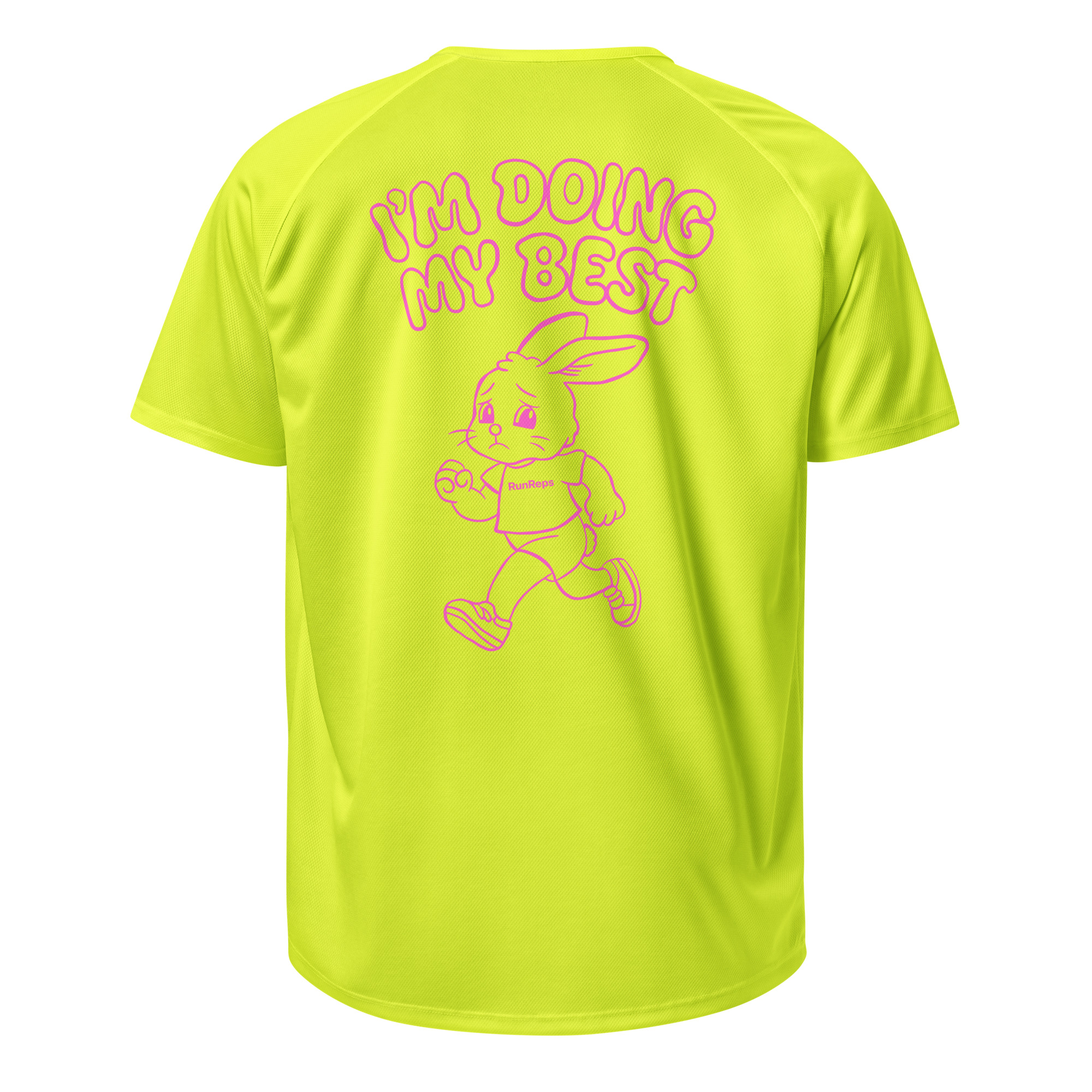
I'm Doing My Best Running Jersey
Lightweight, breathable unisex sports jersey in neon yellow. Designed for runners who keep showing up.
Free worldwide shipping on select orders
RunReps works with retail partners through the Awin affiliate network and earns a commission on qualifying purchases at no extra cost to you.
How the Wind Adjusted Pace Calculator works
Wind creates aerodynamic drag that increases energy cost. A headwind acts directly against your forward motion - research shows a 1 m/s headwind adds approximately 3 seconds per km. A tailwind reduces drag, but only recovers about 50% of that benefit - because running involves leg swing and body drag that exist regardless of wind. The model resolves wind direction using a cosine function, so a crosswind (90°) has minimal direct effect. That asymmetry has a practical consequence: on an equal out-and-back you do not break even. A 20 km/h wind costs about 17 seconds per km on the way out and gives back about 8 on the way home, a net loss of roughly 4 seconds per km across the whole run.
Frequently asked questions
How much does wind affect running pace?
A 10 km/h headwind (light breeze) adds about 8 seconds per km for a typical recreational runner. A 30 km/h headwind (fresh breeze) adds about 25 seconds per km - a significant penalty over a marathon. Both figures come from the model this calculator runs: roughly 3 seconds per km for every 1 m/s of headwind.
Does a tailwind help as much as a headwind hurts?
No, and the gap is the useful part. A tailwind returns only about half of what the same headwind costs - roughly 1.5 seconds per km per m/s against 3.0 - because your legs, body and vertical movement create drag that a tailwind cannot remove. The practical consequence is that an equal out-and-back in a 20 km/h wind still costs you about 4 seconds per km overall, even though you run exactly as far with the wind as against it.
What wind speed is considered ideal for racing?
The 2 m/s wind-assistance limit people often quote applies to track sprints and the horizontal jumps, not to road racing - there is no wind gauge on a marathon record. Road records are governed by the course instead: start and finish no more than 50% of the race distance apart, and no more than 1 m of elevation drop per km. For your own racing, anything under about 5 km/h is effectively neutral, and a headwind over 20 km/h is worth building into your target pace.
Should I adjust my race goal if there is a headwind forecast?
Yes. A significant headwind (20+ km/h) warrants adjusting your target pace by the estimated seconds-per-km penalty. Running at the same effort - not the same pace - is the practical advice for windy conditions.