Can You Customise a Training Plan Based on Pace?
Your easy run pace and your race pace are probably further apart than you think. Most runners do their easy days too fast and their hard days too slow - a pace-based plan fixes both problems at once.
- 80/20
- Easy to hard split for most runners
- 5
- Pace zones in a structured plan
- Per-km
- Targets tailored to your fitness
- 2 paces
- Easy and race pace are far apart
How pace-based plans differ from effort-based plans
A pace-based plan assigns specific speeds to each session type. Your easy run might be 6:00 min/km, your tempo 5:15 min/km, and your intervals 4:45 min/km. These paces are calculated from your current fitness, not from your goal time.
Effort-based plans use heart rate or perceived exertion instead. Both approaches work, but pace-based plans give you objective, repeatable targets that are easy to track on a GPS watch or treadmill.
Setting your training paces correctly
The most reliable method is to run a recent time trial or race and use a training paces calculator to derive your zones. A 5 km time trial is ideal because it is short enough to run frequently and long enough to reflect your aerobic fitness.
Avoid setting paces from a goal time you have not yet achieved. Training paces should reflect where you are now - your plan will bring you closer to your goal over the weeks ahead.
Adjusting paces as fitness improves
Training paces are not fixed for the entire programme. Many runners re-test every four to six weeks and update their zones. If your tempo pace feels comfortable for the full session, it may be time to recalculate.
The generator lets you input an updated recent time and produces adjusted paces. This keeps your training appropriately challenging without pushing into overtraining territory.
Starting a new plan is the perfect time to kit up
Someone who just generated a training plan is ready to run more. Make sure your gear is up to the job.
Nike Pegasus
Versatile daily trainer that handles tempo runs, long runs and easy miles. One of the most popular running shoes year after year.
View on AmazonGarmin Forerunner 265
Tracks every run against your plan, monitors training load, and flags when you're pushing too hard.
View on AmazonFoam Roller
Five minutes of rolling after each run dramatically reduces recovery time and keeps niggles at bay.
View on Amazon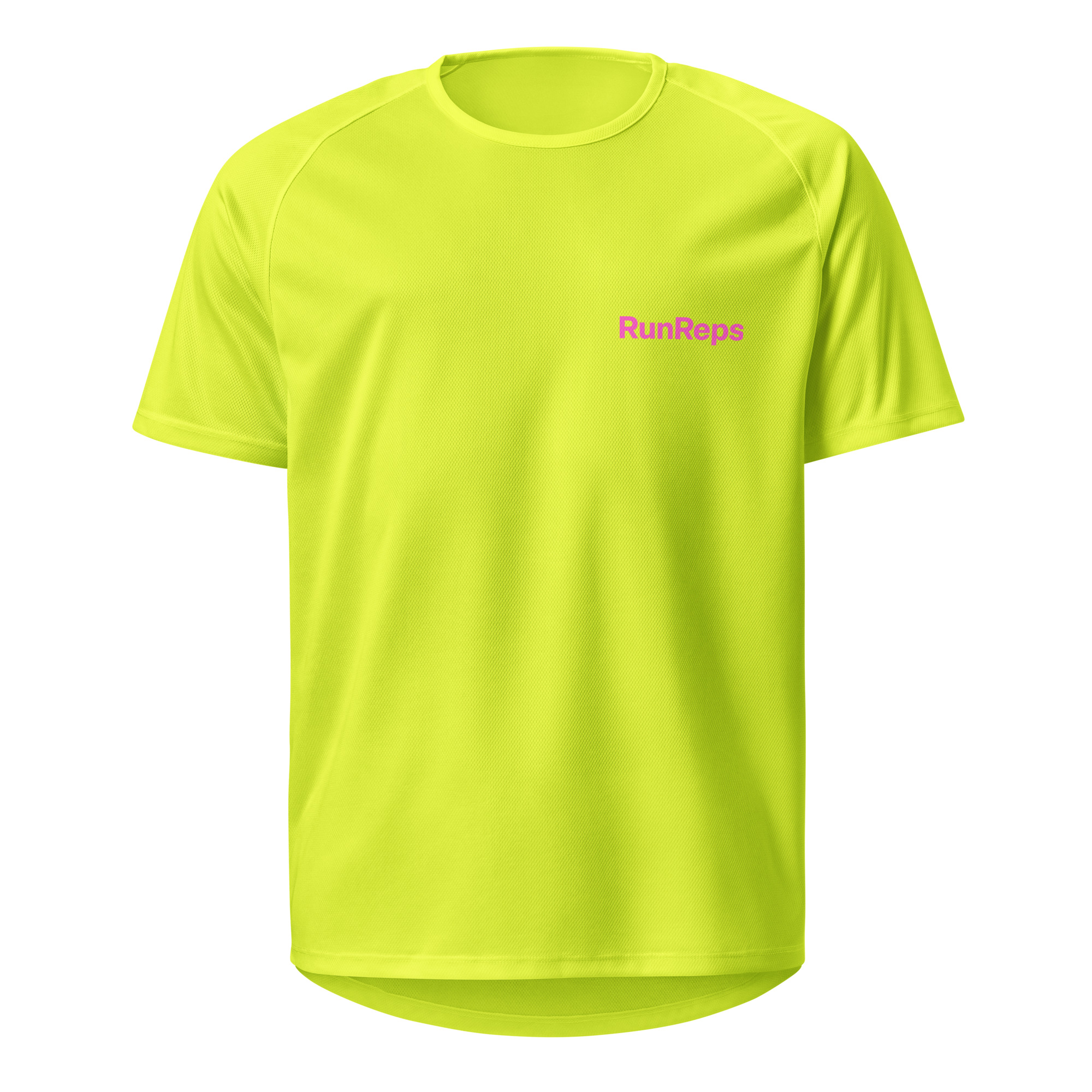
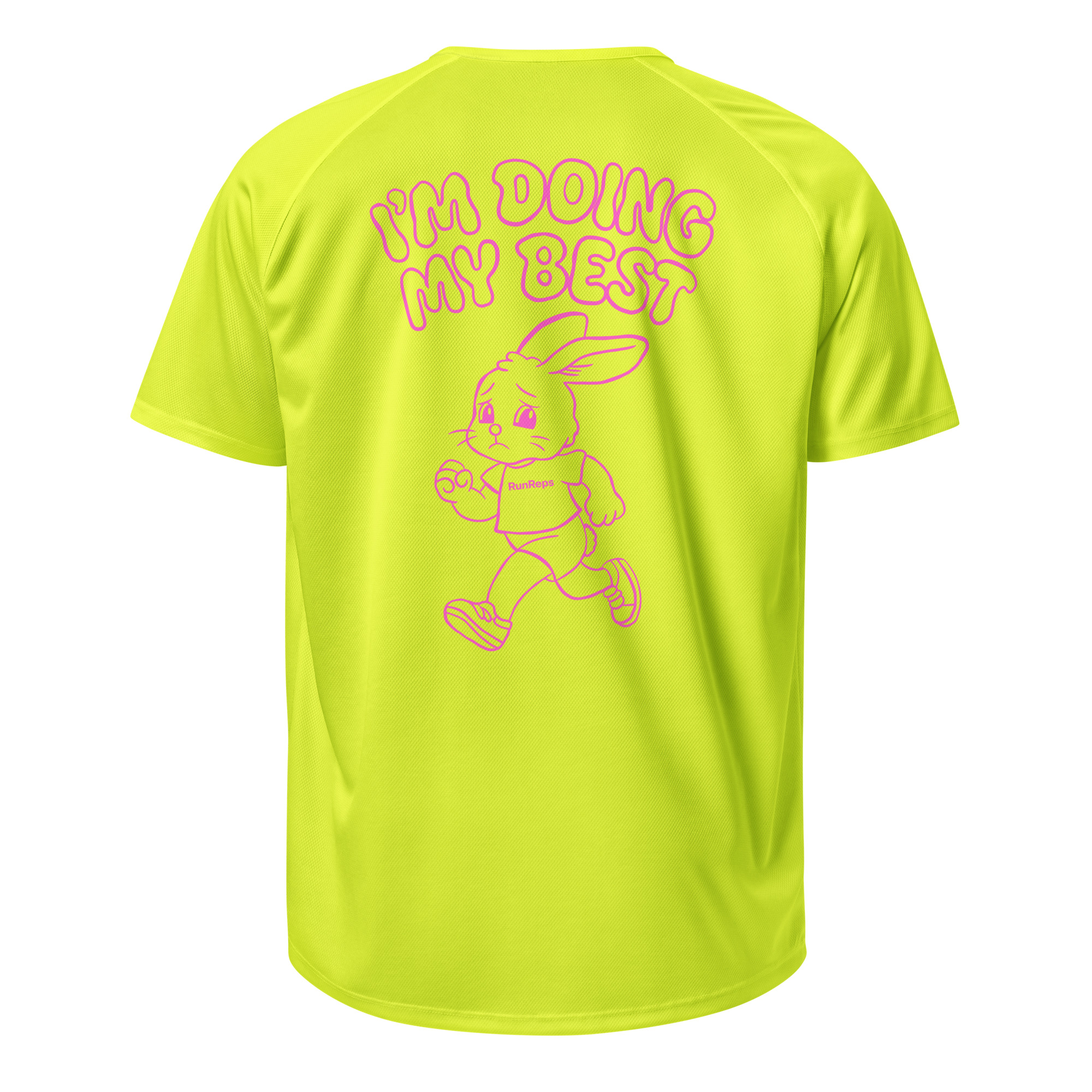
I'm Doing My Best Running Jersey
Lightweight, breathable unisex sports jersey in neon yellow. Designed for runners who keep showing up.
Free worldwide shipping on select orders
RunReps works with retail partners through the Awin affiliate network and earns a commission on qualifying purchases at no extra cost to you.
Frequently asked questions
How do I find my correct training paces?
Run a 5 km time trial at full effort, then use a training paces calculator to derive your easy, tempo, interval and long run paces from that result.
Should I train at my goal race pace or my current pace?
Train at paces derived from your current fitness. As your fitness improves through consistent training, your paces will naturally progress toward your goal.
What if I cannot hit my prescribed interval pace?
If you consistently fall short of your interval targets, your training paces may be set too aggressively. Re-test with a fresh time trial and recalculate.