How Does a Running Plan Generator Work?
A good running plan generator does in seconds what a human coach takes hours to do - it analyses your inputs against training principles and builds a week-by-week programme calibrated to your current fitness.
- 4
- Inputs drive your plan
- Seconds
- To generate a full programme
- 3-4
- Training phases periodised for you
- Free
- No signup required
The inputs that shape your plan
Every generated plan starts with three variables: your current fitness level, your goal race distance and date, and how many days per week you can train. Some generators also factor in recent race times, preferred session types and injury history.
The more accurate your inputs, the better the output. Overstating your fitness or available training days produces a plan you cannot sustain, which leads to missed sessions and frustration.
- 1
Your inputs
Goal distance, current fitness, days per week and target date.
- 2
Periodisation
The weeks are split into base, build and peak phases.
- 3
Progression
Volume and intensity rise gradually, with recovery weeks.
- 4
Taper and race
Volume drops so you arrive fresh on race day.
How the algorithm builds each week
The generator distributes session types across your available days following established periodisation principles. Easy runs form the foundation, typically making up 80% of total volume. Quality sessions - intervals, tempo runs, long runs - fill the remaining 20%.
Weekly mileage follows a progressive overload pattern: two or three weeks of building followed by a recovery week. The plan tapers automatically in the final weeks before your target race date.
Adjusting the plan after it is generated
A generated plan is a starting point, not a rigid contract. If a session feels too hard, drop the intensity rather than skipping it entirely. If you feel fresh on a recovery day, resist the urge to add extra volume - the rest is doing its job.
Regenerate your plan if your circumstances change significantly, such as losing two weeks to illness or gaining a month of extra training time.
Starting a new plan is the perfect time to kit up
Someone who just generated a training plan is ready to run more. Make sure your gear is up to the job.
Nike Pegasus
Versatile daily trainer that handles tempo runs, long runs and easy miles. One of the most popular running shoes year after year.
View on AmazonGarmin Forerunner 265
Tracks every run against your plan, monitors training load, and flags when you're pushing too hard.
View on AmazonFoam Roller
Five minutes of rolling after each run dramatically reduces recovery time and keeps niggles at bay.
View on Amazon
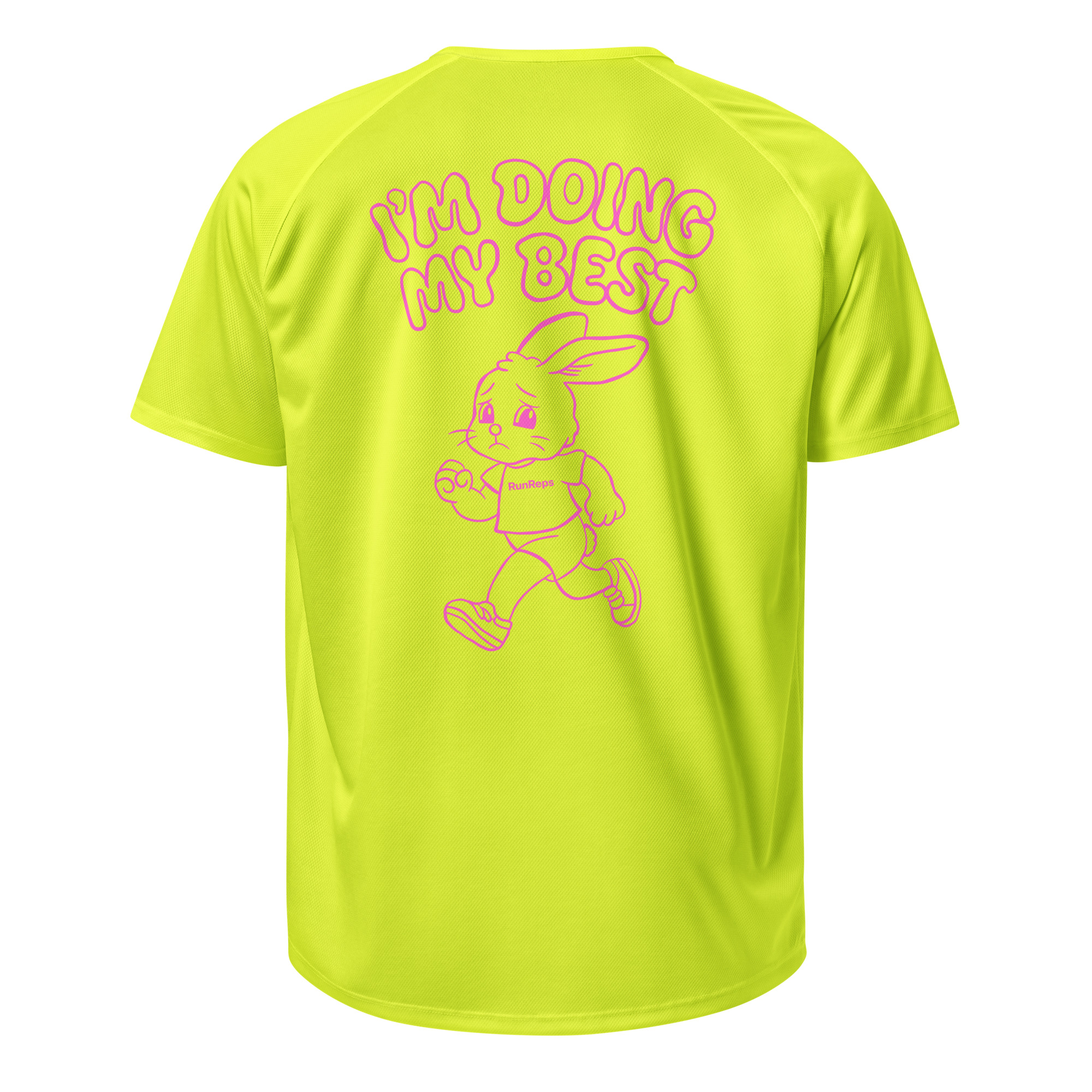
I'm Doing My Best Running Jersey
Lightweight, breathable unisex sports jersey in neon yellow. Designed for runners who keep showing up.
Free worldwide shipping on select orders
RunReps works with retail partners through the Awin affiliate network and earns a commission on qualifying purchases at no extra cost to you.
Frequently asked questions
Are generated running plans as good as a human coach?
A generator applies proven training principles consistently. For most recreational runners, this produces excellent results. A human coach adds value through real-time adjustments and accountability.
What data do I need to generate a running plan?
At minimum you need your target race distance, a rough sense of your current fitness level, and the number of days per week you can train.
Can I regenerate my plan partway through training?
Yes. If your fitness changes or your schedule shifts, regenerating with updated inputs gives you a plan that reflects your current situation.