Push/Pull Workout Generator
Generate push and pull strength sessions designed around your running schedule. Builds the supporting strength that reduces injury and improves performance.
Gear for your strength training
Push-pull training combined with running requires good recovery practices to stay injury-free.
Foam Roller
Release tight muscles between push and pull sessions. Essential for maintaining mobility alongside running.
View on AmazonRunning Earbuds
Wireless, sweatproof earbuds for focused gym sessions. Secure fit for floor work and hanging exercises.
View on AmazonCompression Socks
Support leg recovery when combining heavy strength work with running mileage.
View on Amazon
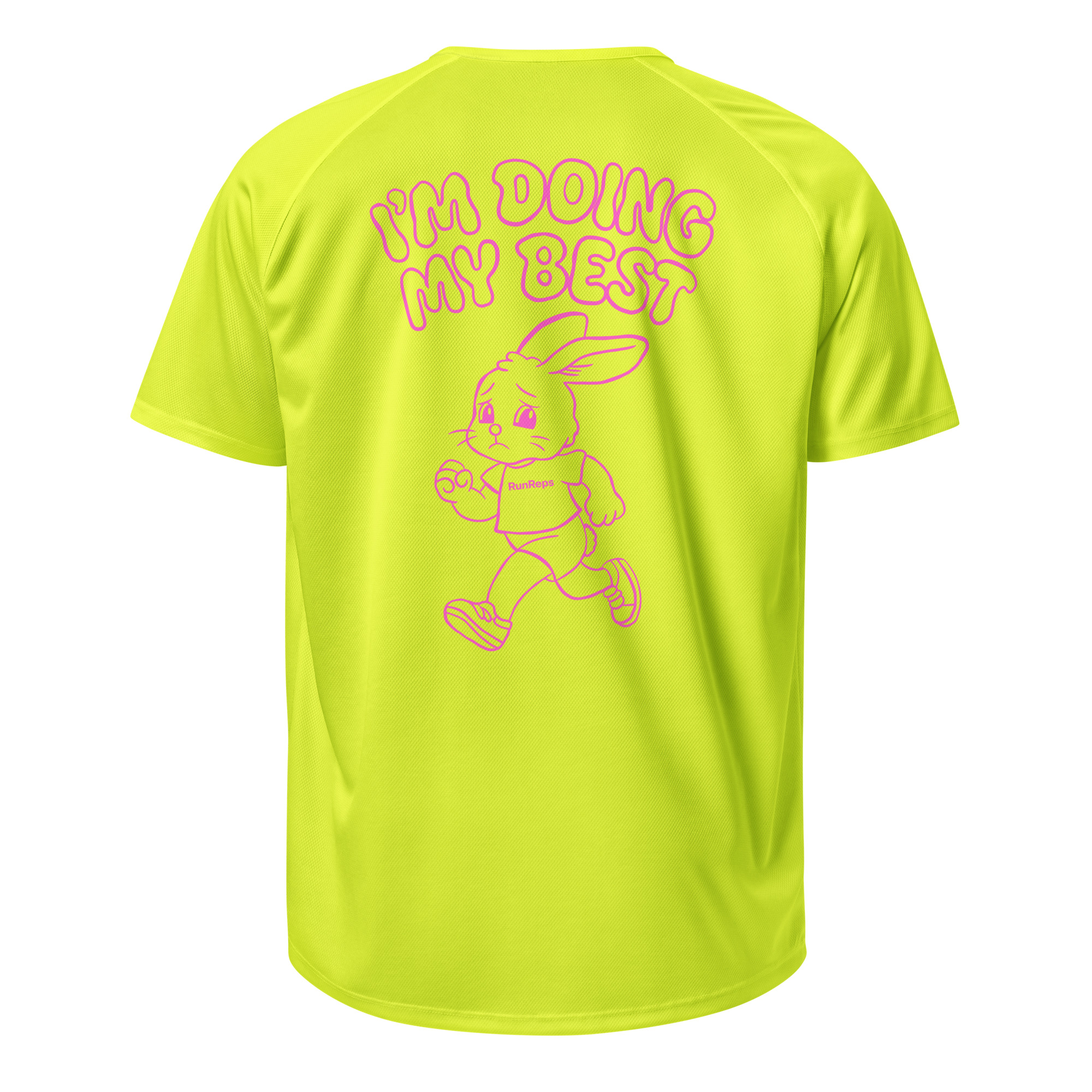
I'm Doing My Best Running Jersey
Lightweight, breathable unisex sports jersey in neon yellow. Designed for runners who keep showing up.
Free worldwide shipping on select orders
RunReps works with retail partners through the Awin affiliate network and earns a commission on qualifying purchases at no extra cost to you.
How the Push/Pull Workout Generator works
Push/pull training splits upper body exercises into pushing movements (chest, shoulders, triceps) and pulling movements (back, biceps, rear delts). For runners, the programme prioritises posterior chain strength (pulling exercises) which directly supports running posture and scapular stability. Sessions are structured to complement rather than interfere with running training.
Frequently asked questions
Should runners do strength training?
Yes - the evidence is clear. Strength training improves running economy, reduces injury risk, and builds structural resilience to handle high mileage. Two sessions per week is sufficient for most runners.
What is a push/pull split?
A push/pull split divides strength exercises by movement pattern. Push exercises (bench press, shoulder press, tricep dips) train the muscles that push things away. Pull exercises (rows, pullups, face pulls) train the muscles that pull things toward you.
When should I do strength training around my runs?
Avoid heavy strength sessions in the 24 hours before key running sessions. The best placement is on easy running days or immediately after a short easy run. After long runs, wait at least 24 hours before a heavy strength session.