When Can I Run Again After Having a Baby?
The current evidence-based guidance is clear: running is not advisable before 12 weeks postpartum, and longer if any symptoms are present. Those first three months are for rebuilding, not impact.
- 12 weeks
- Minimum before returning to running
- 0-2 wk
- Relative rest and recovery
- 6-8 wk
- Typical postnatal check-up
- Symptom-free
- The real green light, not the calendar
Why 12 weeks, not six
The old six-week check is a clearance for daily life, not for running. Connective tissue, the pelvic floor and the abdominal wall are still remodelling well beyond six weeks, and impact loads your pelvic floor with two to three times your body weight on every stride.
Returning before 12 weeks is the single biggest risk factor for pelvic-floor dysfunction and injury in new runners. Waiting is not lost time - it is the training that makes running possible.
- 1
Relative rest
Weeks 0-2
Healing, gentle movement and breath-led pelvic-floor activation.
- 2
Rehab
Weeks 2-6
Pelvic-floor and deep-core reconnection, mobility and walking.
- 3
Strength + cardio
Weeks 6-12
Glute and leg strength plus non-impact cardio; build walking to 30 minutes.
- 4
Return to running
Weeks 12+
Only once cleared and symptom-free on the readiness check.
What the first three months are for
Use the weeks before running to rebuild from the inside out: daily pelvic-floor work, deep-core reconnection, glute and leg strength, and a steady walking progression. Non-impact cardio like cycling or swimming keeps your fitness ticking over without loading healing tissue.
This groundwork is exactly what the readiness check tests for. Do the work, and the return to running is far smoother and far safer.
Time is necessary but not sufficient
Twelve weeks is a floor, not a guarantee. If you have any leaking, heaviness, doming or pain, your body is telling you it needs more time or professional input - regardless of the date on the calendar.
A pelvic-health physiotherapist assessment is the gold standard. Many runners never have one and wish they had.
Supportive kit for your comeback
As impact returns, a well-fitting high-impact sports bra and cushioned, supportive shoes make those first runs more comfortable - and recovery tools help between sessions.
High-impact sports bra
Firm, adjustable support matters more than ever postpartum, especially if you are breastfeeding. Get fitted if you can.
View on AmazonHoka Clifton
Maximum cushioning to soften the load on your pelvic floor and joints as you reintroduce impact.
View on AmazonFoam roller
Useful for gentle recovery and mobility work between your foundation and walk-run sessions.
View on Amazon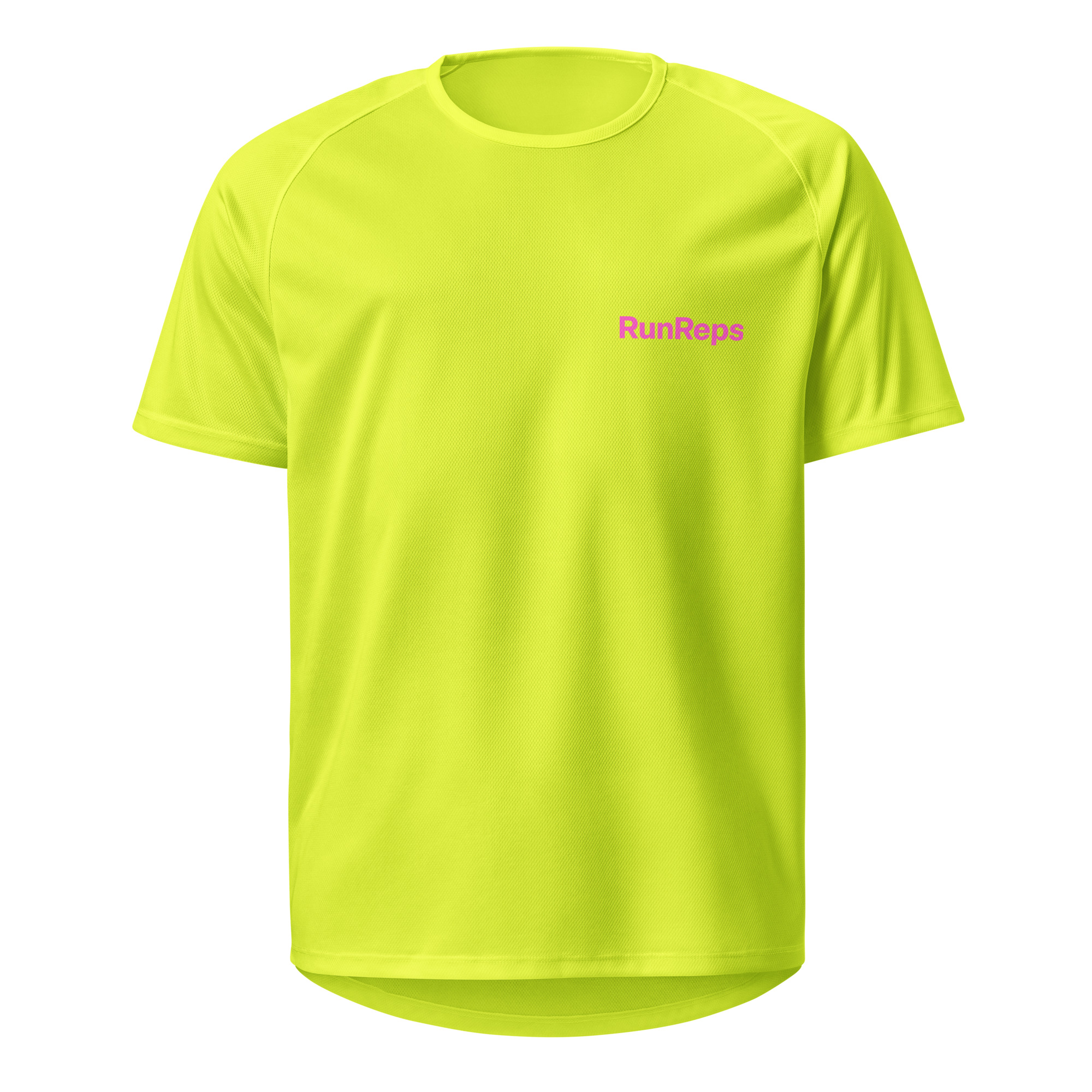
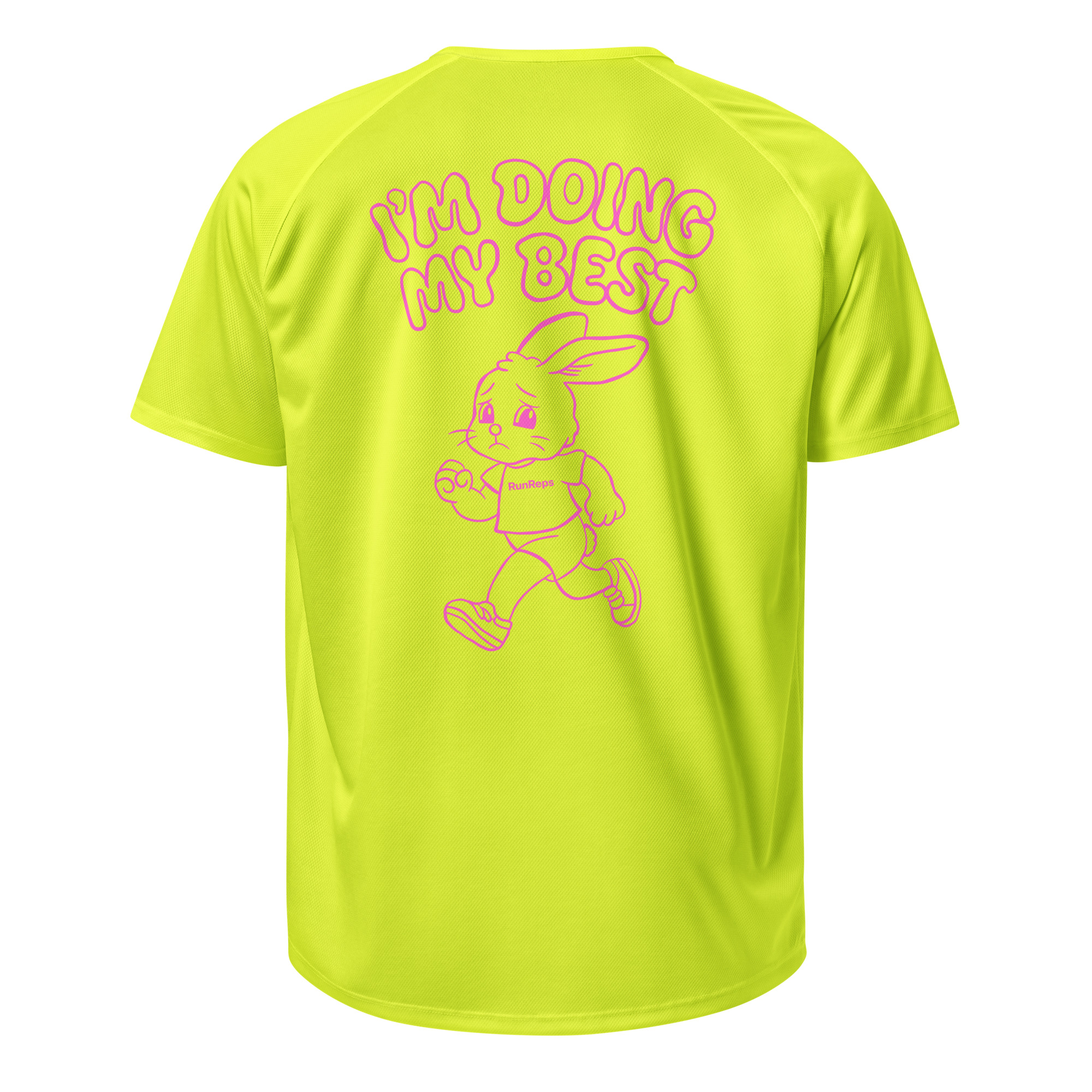
I'm Doing My Best Running Jersey
Lightweight, breathable unisex sports jersey in neon yellow. Designed for runners who keep showing up.
Free worldwide shipping on select orders
RunReps works with retail partners through the Awin affiliate network and earns a commission on qualifying purchases at no extra cost to you.
Frequently asked questions
Can I run at six weeks if I feel fine?
Feeling fine is not the same as being ready. Tissue healing and pelvic-floor recovery continue well past six weeks, and symptoms often appear only under impact. The guidance is to wait until at least 12 weeks and to pass a readiness check first.
Does it matter if this is not my first baby?
The 12-week minimum and the readiness check apply after every birth. Subsequent pregnancies can come with their own pelvic-floor and core demands, so do not assume a faster timeline because you ran back quickly before.
What can I do in the meantime?
Plenty. Daily pelvic-floor exercises, deep-core work, strength training, brisk walking and non-impact cardio all build the foundation for running and keep you fit while you recover.