The Return-to-Running Readiness Check
Before your first postpartum run, you should be able to load your body with impact and single-leg control - with no leaking, heaviness, bulging or pain. These six tests are how you find out.
- 6 tests
- Pass all before you run
- 30 min
- Brisk walk with no symptoms
- 10 sec
- Single-leg balance each side
- 0 symptoms
- No leaking, heaviness or pain
The six tests to pass
Work through these only when you can do each one comfortably: a brisk 30-minute walk; jogging on the spot for one minute; a 10-second single-leg balance on each side; 10 single-leg squats per side; 10 hops on each leg; and 10 controlled bounds forward and back.
The rule is simple: if a test provokes leaking, heaviness, bulging or pain, your body is not yet ready for running loads. Stop, give it more time, and ideally see a pelvic-health physiotherapist.
- 1
Walk + jog
Brisk walk 30 minutes, then jog on the spot for 1 minute.
- 2
Single-leg control
Single-leg balance 10 seconds, then single-leg squat x10, each side.
- 3
Impact
Hop in place x10 on each leg.
- 4
Bounding
Jump forward and back x10 with control.
Why these tests predict running
Running is a series of single-leg landings, each absorbing two to three times your body weight. The single-leg squats, hops and bounds rehearse exactly that load in a controlled way, so you find any weakness or symptom before you are a kilometre from home.
Passing all six is a far better green light than a date on the calendar.
Supportive kit for your comeback
As impact returns, a well-fitting high-impact sports bra and cushioned, supportive shoes make those first runs more comfortable - and recovery tools help between sessions.
High-impact sports bra
Firm, adjustable support matters more than ever postpartum, especially if you are breastfeeding. Get fitted if you can.
View on AmazonHoka Clifton
Maximum cushioning to soften the load on your pelvic floor and joints as you reintroduce impact.
View on AmazonFoam roller
Useful for gentle recovery and mobility work between your foundation and walk-run sessions.
View on Amazon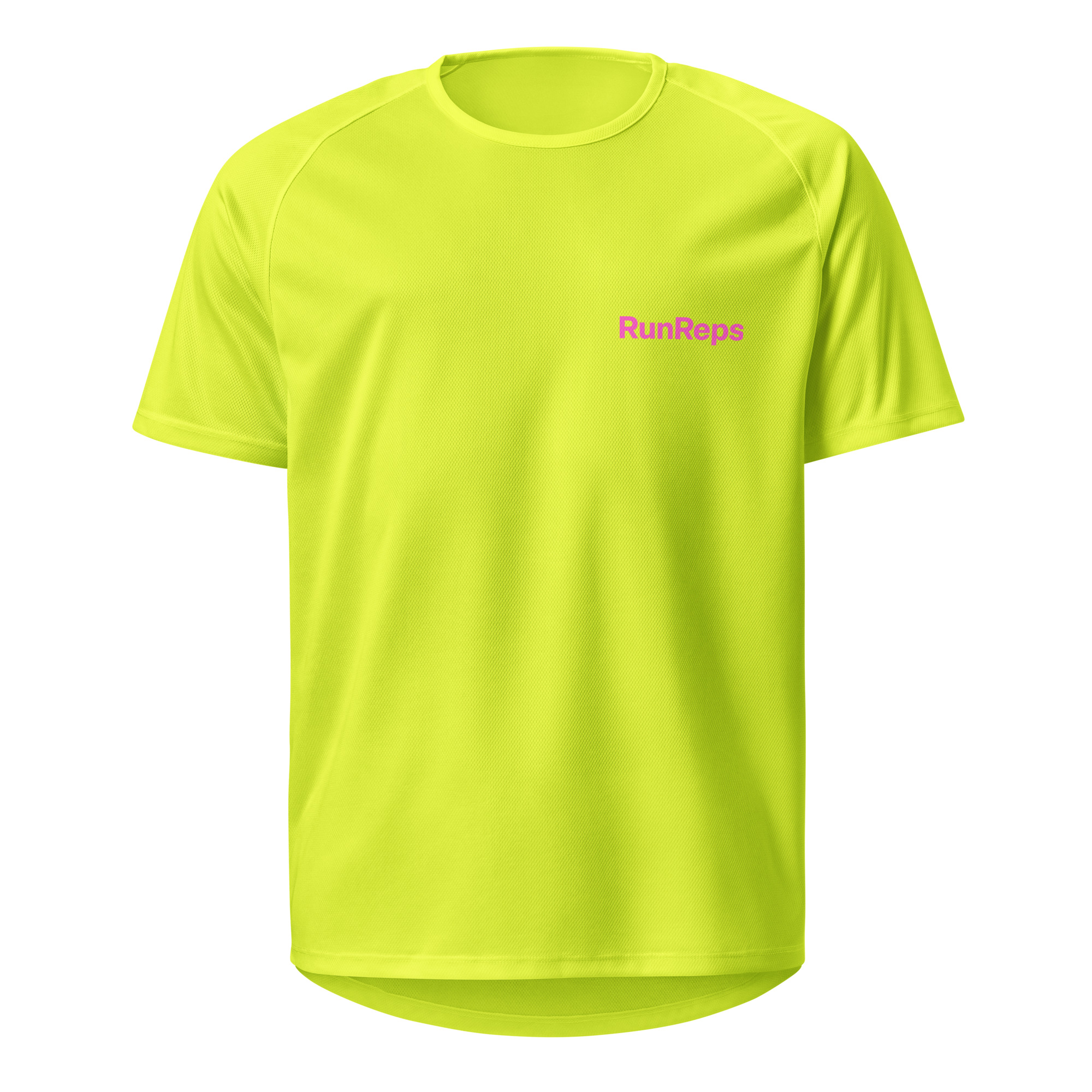
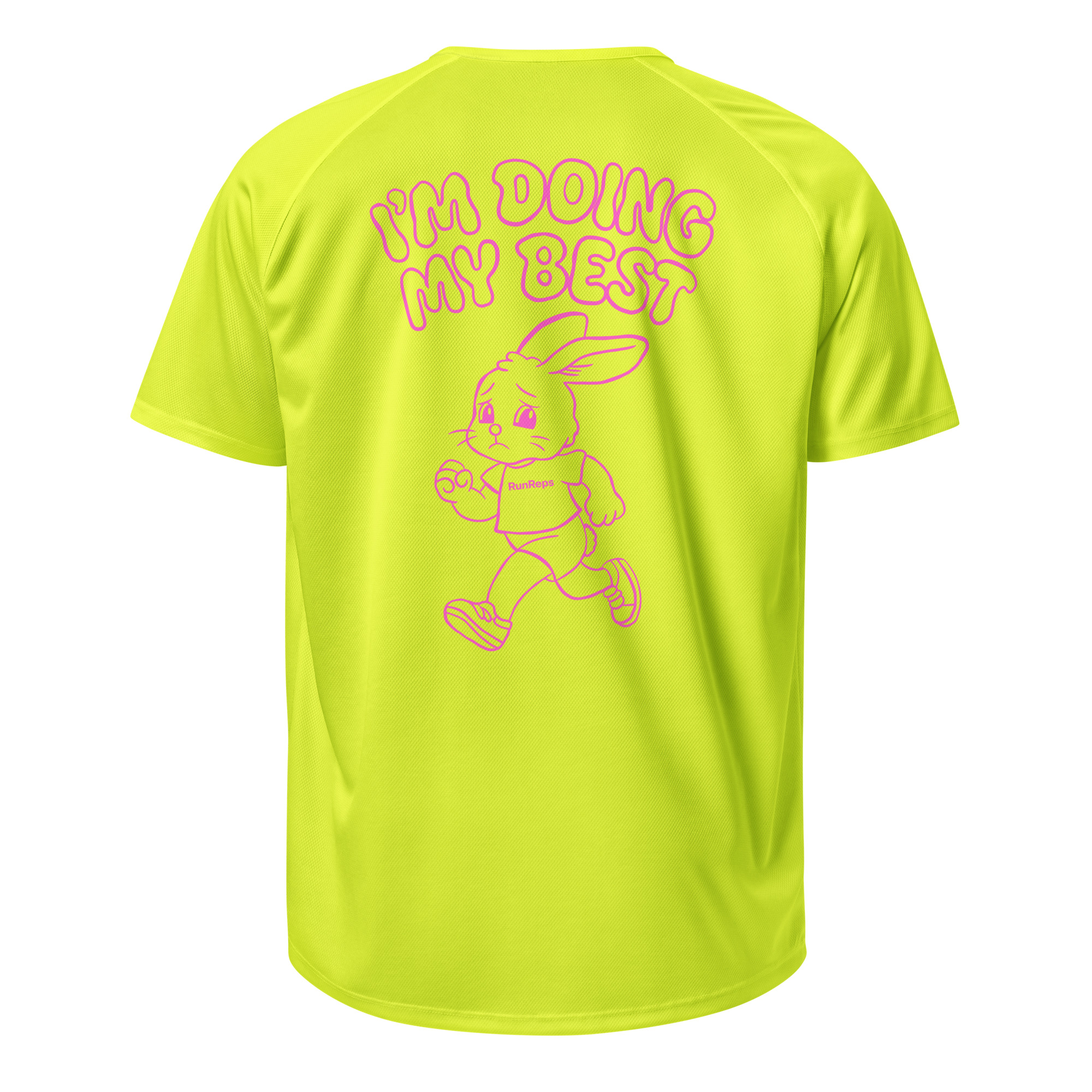
I'm Doing My Best Running Jersey
Lightweight, breathable unisex sports jersey in neon yellow. Designed for runners who keep showing up.
Free worldwide shipping on select orders
RunReps works with retail partners through the Awin affiliate network and earns a commission on qualifying purchases at no extra cost to you.
Frequently asked questions
What if I pass most of the tests but not all?
Then you are not ready to run yet - the tests are a set, not a scoreboard. Keep building strength and pelvic-floor control, retest in a couple of weeks, and consider a pelvic-health physio assessment for the ones that fail.
Do I need a professional to do the readiness check?
You can run through the tests yourself, but a pelvic-health physiotherapist can assess things you cannot feel - pelvic-floor strength, coordination and abdominal control under load. It is the gold standard before returning to impact.
I leak a little when I hop - is that normal?
It is common but not normal, and it is a clear sign to hold off on running. Leaking is treatable. See a women's-health physiotherapist before adding impact.