Running Cadence Converter
Convert your running cadence into total steps, stride data, and speed estimates. Find out if your cadence is in the optimal range.
Count every foot strike for 60 seconds - or count for 30 seconds and double it.
Good cadence
170 SPM
170
steps/min
You’re in the range associated with good running economy. Elite runners typically run at 180–190+ SPM at race pace.
Stride rate
85.0
strides/min
Total steps
5,100
in 30 min
Left steps
2,550
per foot
5% cadence increase target: 179 SPM
Research recommends increasing cadence gradually - no more than 5–10% at a time. Use a metronome app or music at 179 BPM.
Track your cadence in real time
A GPS watch with cadence tracking helps you monitor steps per minute live during runs, so you can work on your running economy.
Garmin Forerunner 265
Built-in cadence tracking, AMOLED display, and real-time running dynamics. The best mid-range option for cadence-focused training.
View on AmazonGarmin Forerunner 255
Accurate cadence and stride length data with up to 14 days battery life. A reliable first running watch.
View on AmazonPolar Pacer Pro
Running power and cadence metrics with GPS accuracy. A strong Garmin alternative at a competitive price.
View on Amazon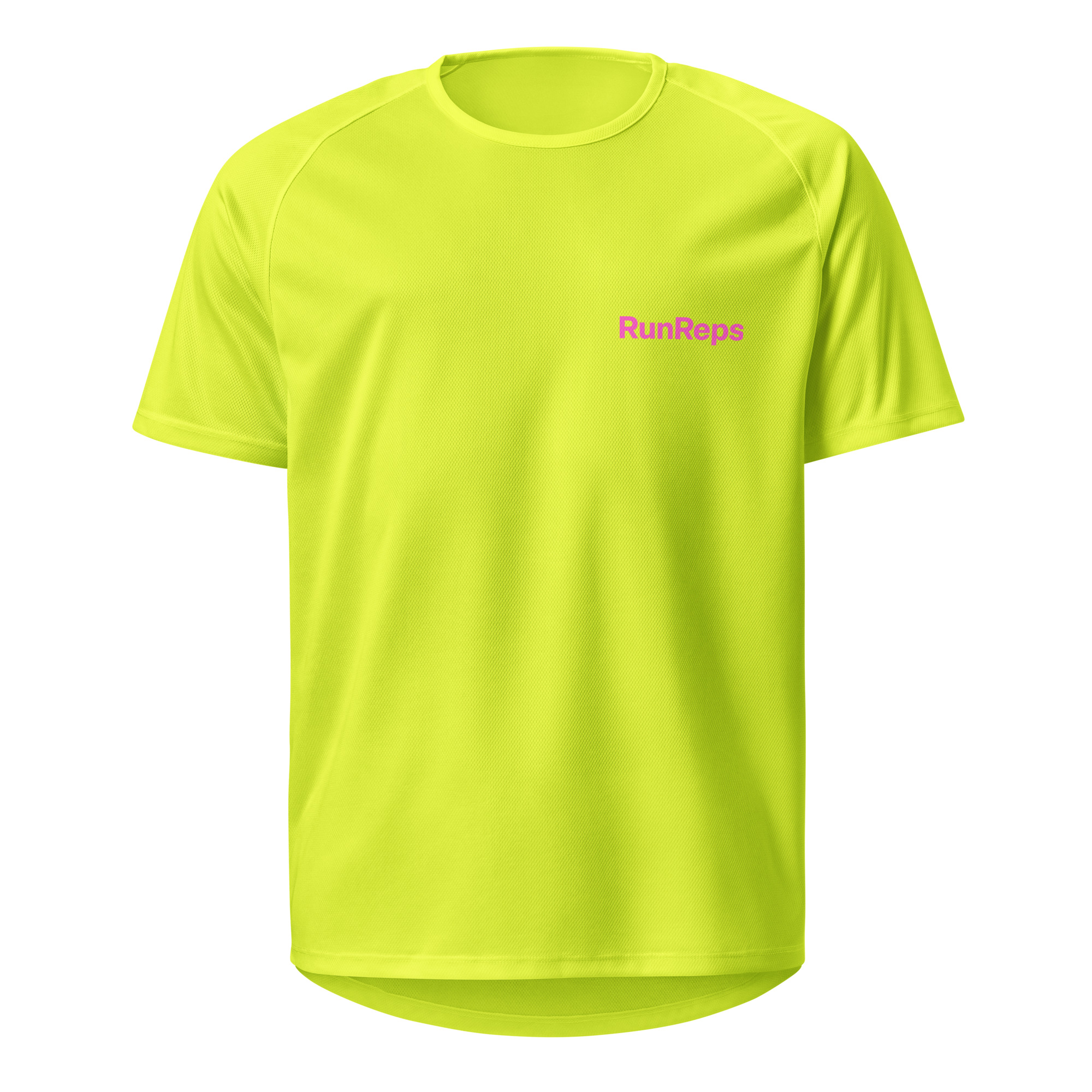
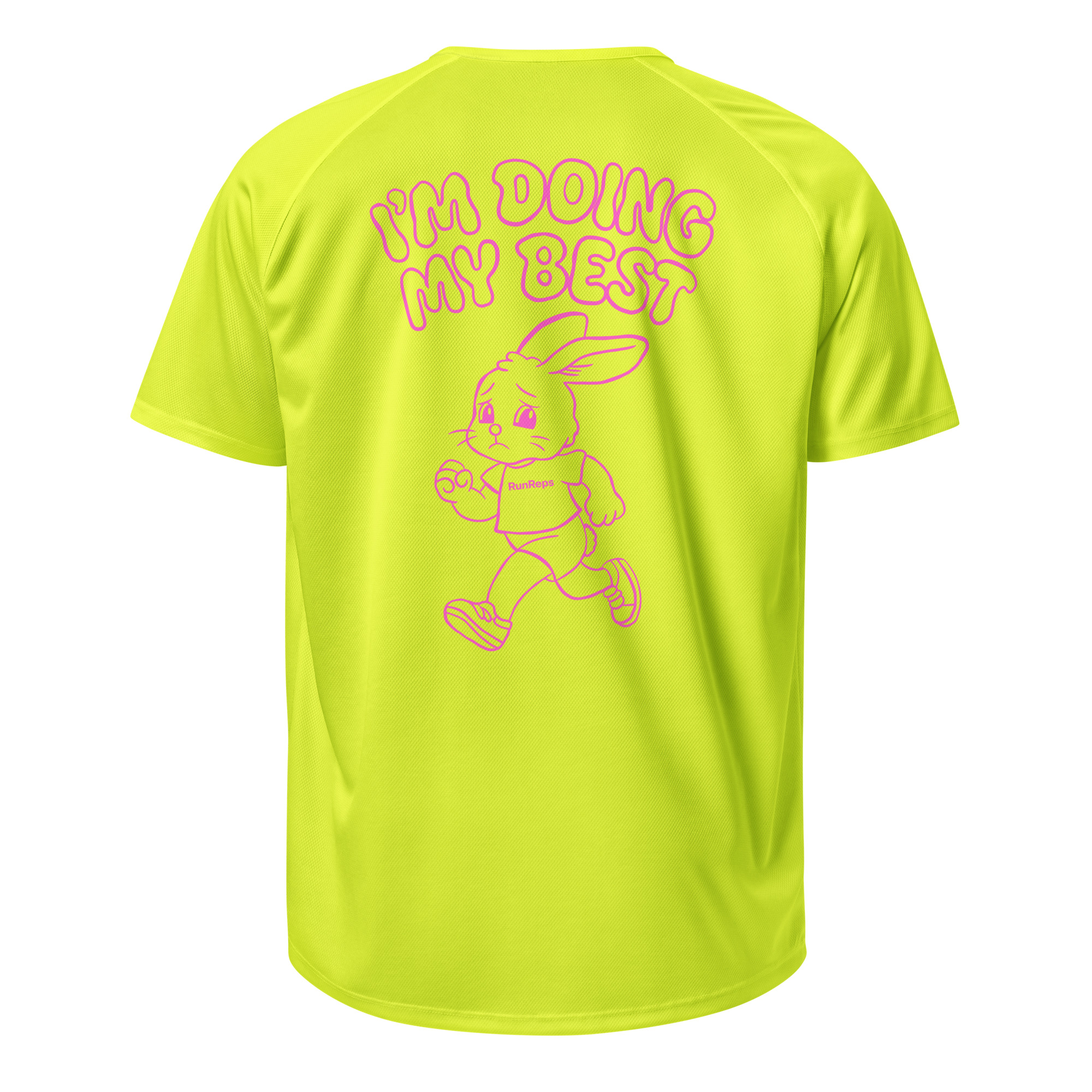
I'm Doing My Best Running Jersey
Lightweight, breathable unisex sports jersey in neon yellow. Designed for runners who keep showing up.
Free worldwide shipping on select orders
RunReps works with retail partners through the Awin affiliate network and earns a commission on qualifying purchases at no extra cost to you.
How the Running Cadence Converter works
Enter your steps per minute (SPM) and run duration. The calculator converts cadence to total steps, stride rate, and - if you enter stride length - estimated speed and pace. Research suggests 170–185 SPM is optimal for most runners, though individual variation is significant.
Frequently asked questions
What is the ideal running cadence?
Research suggests 170–185 steps per minute is optimal for most runners. Below 160 SPM is associated with overstriding. Many recreational runners run at 150–165 SPM and see benefits from gradually increasing cadence.
How do I increase my running cadence?
Increase by no more than 5% per week. Use a metronome app set to your target SPM and take shorter, quicker steps. Focus on footfall under your hips rather than reaching forward. It takes 4–6 weeks to adapt.
Does higher cadence reduce injury risk?
Higher cadence tends to reduce ground contact time and vertical oscillation, which may reduce impact forces on the knee and hip. However, cadence alone is not a cure-all - form, footwear and training load all matter.