Body Fat Calculator
Estimate your body fat percentage using the US Navy circumference method. Includes running performance context for each body fat range.
Measurement guide
- • Neck: Neck: Measure just below the larynx (Adam’s apple), perpendicular to the spine
- • Waist: Waist: Measure at the narrowest point of the abdomen, usually just above the navel
- • Stand upright, breathe normally, take measurements after exhaling
Track your body composition progress
Monitoring body fat alongside training data gives a clearer picture of your overall fitness.
Garmin Forerunner 265
Tracks training load, VO2 max and body battery alongside your composition data. Full picture of your fitness.
View on AmazonFoam Roller
Support recovery as you adjust training and nutrition. Good recovery is essential during body recomposition.
View on Amazon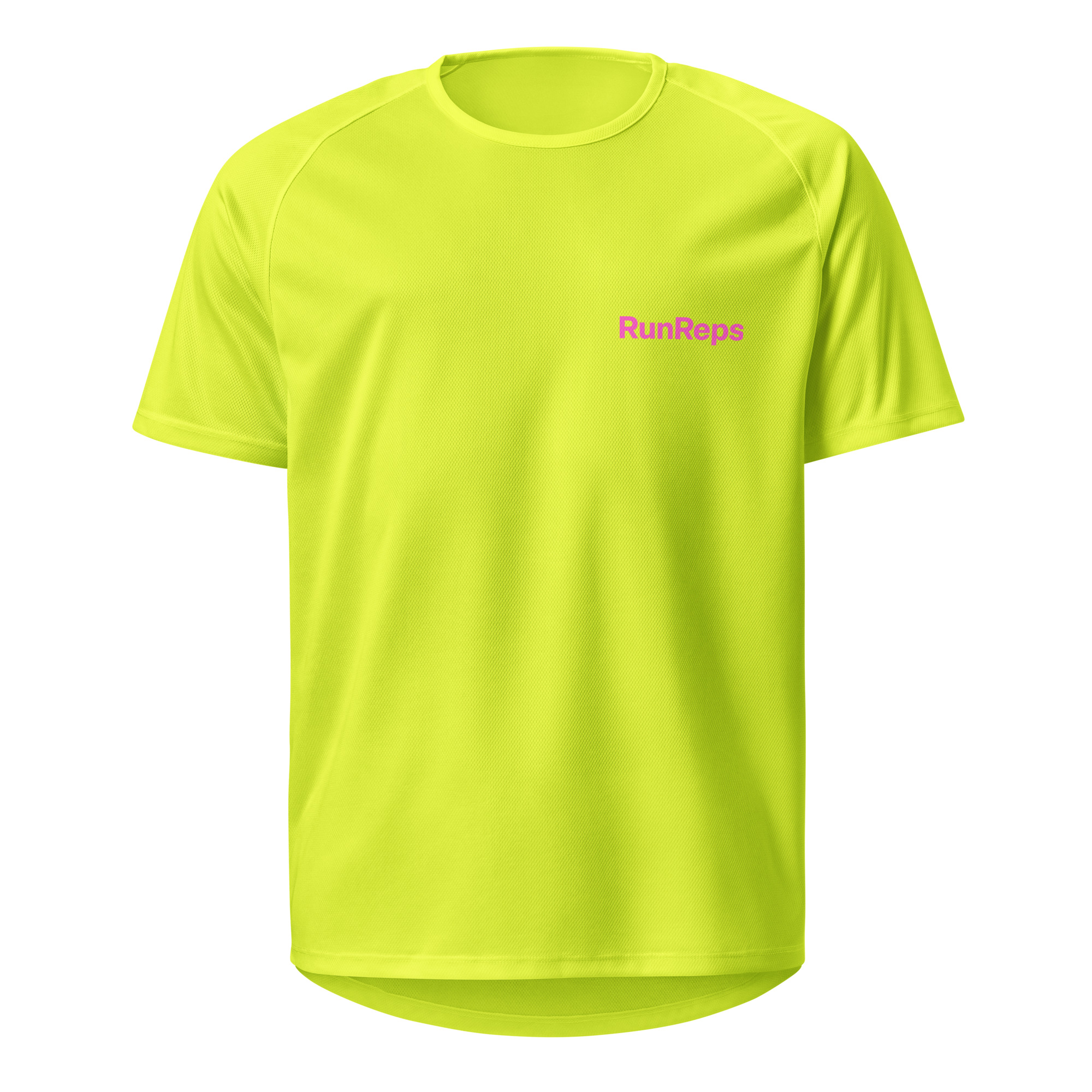
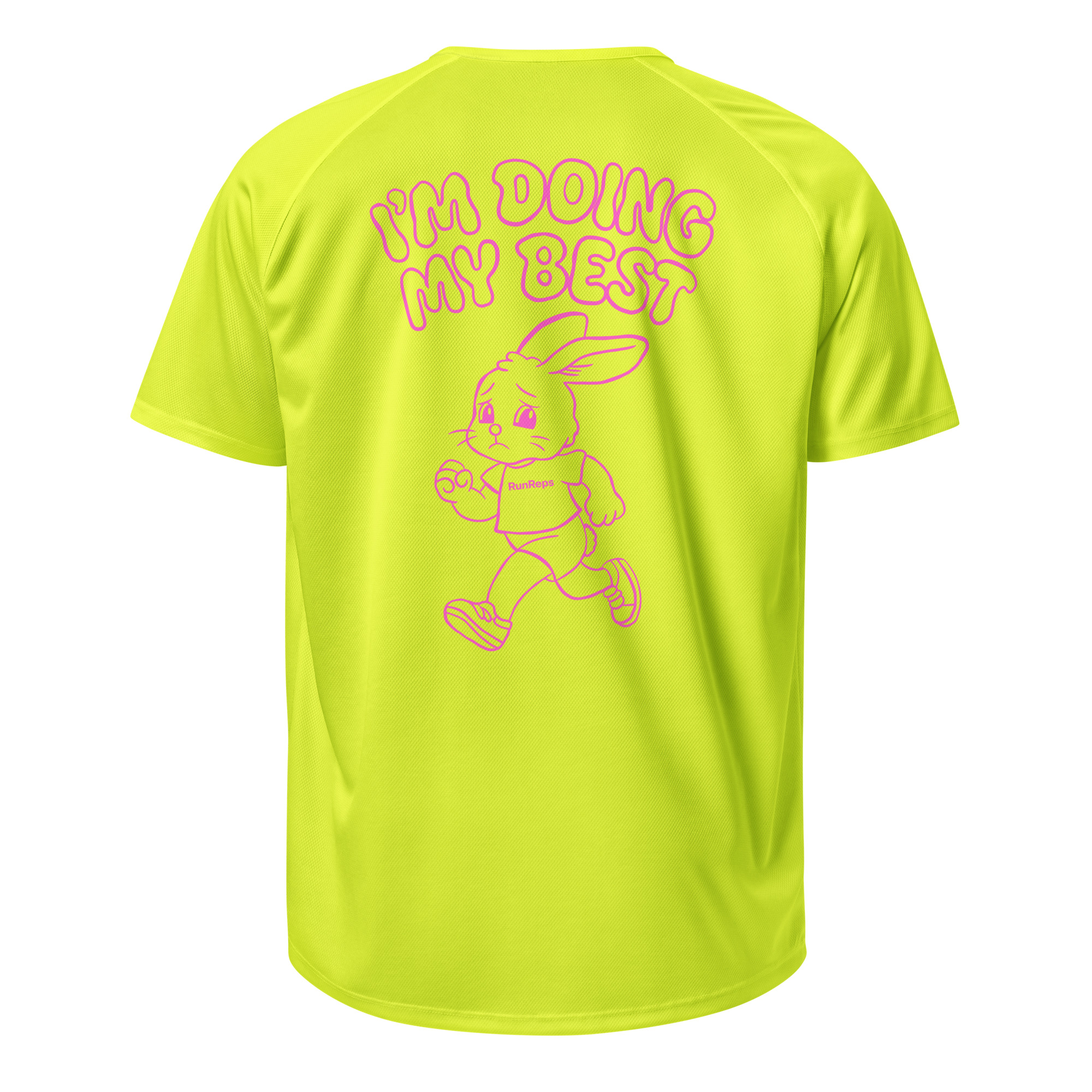
I'm Doing My Best Running Jersey
Lightweight, breathable unisex sports jersey in neon yellow. Designed for runners who keep showing up.
Free worldwide shipping on select orders
RunReps works with retail partners through the Awin affiliate network and earns a commission on qualifying purchases at no extra cost to you.
How the Body Fat Calculator works
The US Navy method estimates body fat from body circumference measurements - a validated, equipment-free method comparable in accuracy to skin-fold callipers for most people. Measurements are taken at the waist, neck, and (for women) hips. The formula uses a logarithmic relationship between these measurements and body fat percentage.
Frequently asked questions
What is a good body fat percentage for runners?
Typical ranges: male recreational runners 10–18%, female recreational runners 18–26%. Elite male distance runners often sit 5–10%, elite females 10–18%. Very low body fat (below 5% male, 12% female) is associated with hormonal and health risks.
How accurate is the Navy method?
The Navy formula has a margin of error of approximately 3–4 percentage points compared to DEXA scanning. It is less accurate than hydrostatic weighing or DEXA but far more accessible and still useful for tracking trends.
Does body fat percentage affect running speed?
Yes. Each kilogram of extra fat adds aerobic load without adding muscular power output. Research shows that body fat percentage is one of the strongest predictors of marathon performance.