The Most Futuristic Running Technology Around
Your daily training in ways that feel almost sci-fi
3 December 2025
The future of running is already on your wrist, in your shoes, and soon, woven into your daily training in ways that feel almost sci-fi. A few years ago you might have tracked pace and distance; now runners are analysing muscle fatigue, ground contact balance, VO2 trends, gut tolerance, sleep cycles, and biomechanical signatures. The pace of innovation feels a bit like stepping onto a treadmill that keeps speeding up whether you tap the button or not.

Why this new era of running tech matters
Picture this: a runner heads out for a steady 8 km. Halfway through, their watch quietly suggests slowing the pace because their gait symmetry has drifted, oxygen uptake has risen out of a sustainable range, and their sleep score indicates they’re still carrying fatigue. Nothing dramatic, nothing bossy. Just data pointing towards smarter decision-making mid-run. This is what the next decade of running looks like: personalised, adaptive, and continuously learning from your training.
The common thread across all emerging technologies is nuance. Data is no longer about quantity; it’s about clarity. Whether you’re chasing a 5K personal best or building towards your first marathon, the top innovations help you understand the why behind your performance, not just the what.
To put these tools to work, you’ll also want a reliable place to track your progress across months of training. Journals pair perfectly with digital tech by grounding the process in reflection – something algorithms can’t replace. You’ll find journal suggestions integrated throughout.
Wearable systems that read the body in real-time
The biggest leap in running technology is happening at skin level. Wearables have transformed from passive trackers into active interpreters of physiological signals.
Optical sensors that go beyond heart rate
Modern sensors now map blood oxygen variability, hydration shifts, and even patterns in micro-movement that indicate fatigue. Devices can detect subtle form changes before you consciously feel them. That makes them powerful tools when paired with structured training using the Running Plan Generator.
AI-powered wrist coaching
Today’s watches use machine learning to predict how hard a session will feel before you start it. They pull from sleep patterns, stress load, muscle recovery, and consistent pacing behaviour. This isn’t about pushing you; it’s about protecting you. Think of a watch quietly advising: “Today is not the day for a tempo run.”
High-fidelity training logs
Even with sophisticated sensors, reflective logging remains one of the smartest habits a runner can build. Runners who journal often react better to setbacks, plateaus, and breakthroughs because patterns become easier to spot.
Recommended journals:
Smart shoes and insoles that analyse every step

Footwear has quietly undergone its biggest transformation since the arrival of carbon plates. Embedded sensors inside midsoles and insoles now measure stride power, impact distribution, and footstrike patterns.
This opens up training possibilities that previously required a biomechanics lab. A runner can now understand whether they fatigue into a heavier heel strike late in long runs, or whether left-right imbalance appears at threshold pace.
Pairing this data with the Pace Calculator helps you understand how biomechanics shift across different intensities – and how to adjust sessions accordingly.
Great for logging shoe performance:
Biomechanics mapping, motion capture and AI form feedback
You no longer need a studio full of cameras to capture your form. Several apps can now turn your smartphone into a motion analysis system, offering insights on cadence, hip drop, knee tracking, and torso rotation.
These systems don’t replace coaches, but they support them. They highlight drift points – the moments deep in a long rep where technique slips. They also link well with long-term progression plans built inside the RunReps ecosystem.
The rise of precision nutrition and recovery tech
Technology is finally closing the loop between training load and how your body processes recovery.
Wearables that predict readiness
Recovery scoring isn’t new, but modern algorithms now factor in micro-stress, temperature cycles, and overnight HRV stability. For runners who rely on quality sessions, this matters. A perfectly timed interval day can be the difference between breakthrough and burnout.
Digital gut tolerance tracking for racers
New tools analyse GI response to different fuelling strategies, helping runners prevent race-day stomach issues. Over time, patterns emerge: which gels work at which intensity, how hydration ratios shift based on heat, and what your personal risk zones look like.
If you’re experimenting with fuelling during long runs, track your notes consistently in a journal and cross-reference them with pace outputs using the Negative Split Calculator.
How to choose the right futuristic technology for your training

With so many innovations appearing at once, the real skill is knowing which tools you actually need. Start with three guiding questions:
- What training weakness am I trying to understand? If pacing inconsistency is the issue, focus on better sensors and predictive AI. If injury prevention is the goal, prioritise form analysis and footwear data.
- Will this make my training decisions easier? Good tech reduces noise, not adds to it.
- Can I track progress over time? Use a journal to back up digital data with real context.
Recommended progress-tracking journals:
Real-world examples: How runners are using futuristic tech right now
A marathoner preparing for a PB: She uses a motion-capture app once a fortnight to spot form breakdown, pairs that with her watch’s muscle load predictions, and logs every quality session in a notebook. Her pacing discipline improves because she can connect how she slept, how she recovered, and how her form held up at race pace.
A beginner returning from injury: He uses sensor-enabled insoles to monitor impact forces, ensuring he doesn’t overload the recovering side. Journaling helps him recognise emotional patterns: the days he feels tempted to push too hard after a stressful work week.
A 5K runner chasing speed: He relies on AI-assisted watches to structure intervals, supplemented with the Pace to Heart Rate Zone Calculator to dial in effort. He tracks post-session fatigue and form cues in a journal to refine his strategy.
FAQs about futuristic running technology
Is futuristic running technology better than traditional coaching?
Technology enhances coaching rather than replaces it. Data helps coaches make sharper decisions, but the interpretation, planning, and emotional guidance still come from a human. Combining both is the best approach.
Do beginner runners need this level of tech?
Beginners benefit most from clarity, not intensity. A basic watch plus a simple journal is enough to build consistency. Add advanced tech only when it answers a problem you understand.
Will more data actually make me faster?
Data itself doesn’t create fitness. But the right data at the right moment can change how you recover, pace, and plan. If you respond to those cues, that’s where performance gains come from.
How can I use futuristic tech alongside RunReps tools?
Use your wearable outputs to adjust pacing with the Pace Calculator, plan sessions with the Running Plan Generator, and check how your form shifts on hills using the Hill Grade Adjusted Pace Calculator. These combinations help you turn insight into action.
Gear to support your training
Good training gear helps you track progress and stay consistent. These are our top picks for runners in structured training.
Garmin Forerunner 265
Track every session with live pace data, training load metrics, and recovery advice. The best mid-range GPS watch.
View on AmazonNike Pegasus
Handles easy runs, tempo work, and long runs. A versatile daily trainer that suits most training plans.
View on AmazonFoam Roller
Speeds up recovery between training sessions. Essential when training load increases.
View on Amazon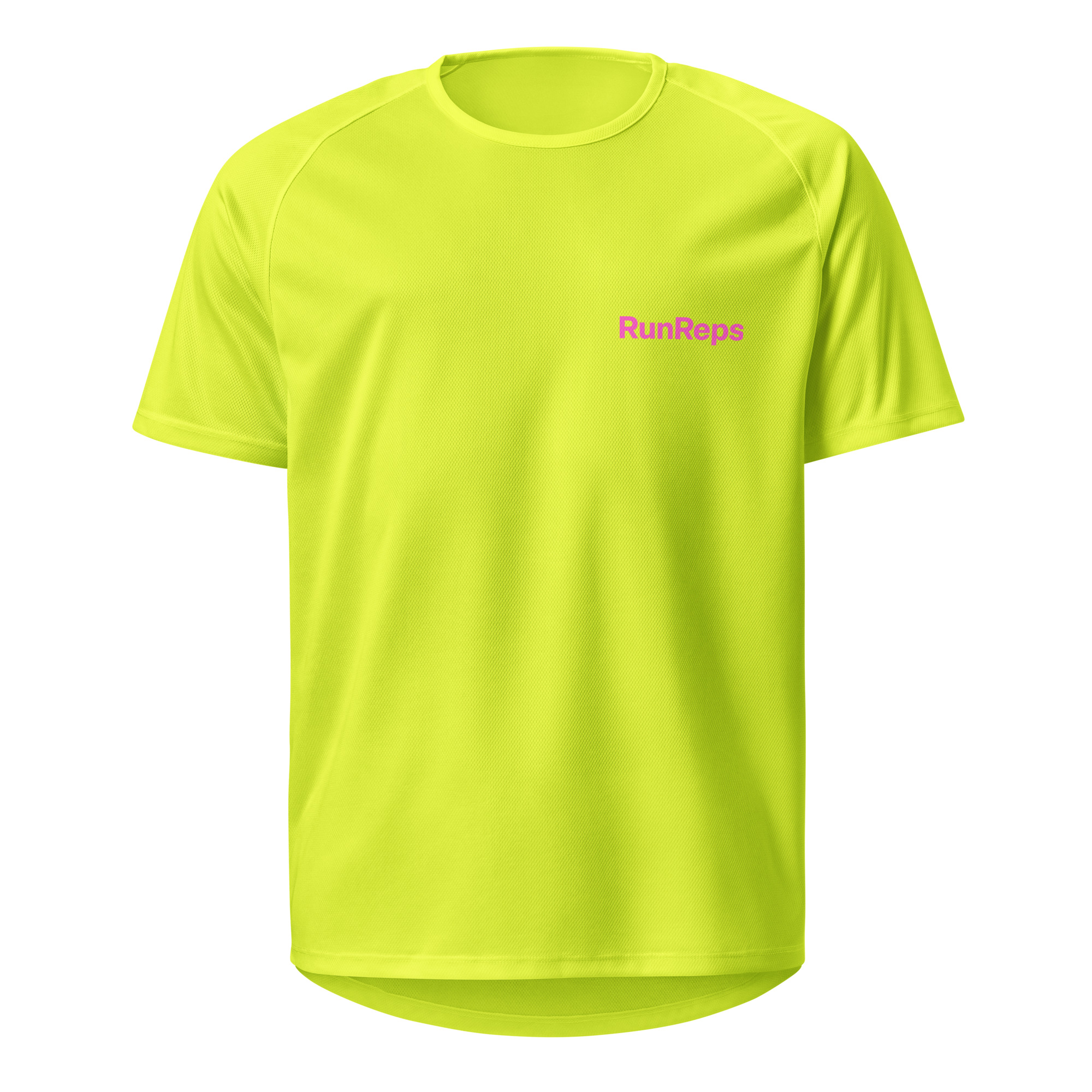
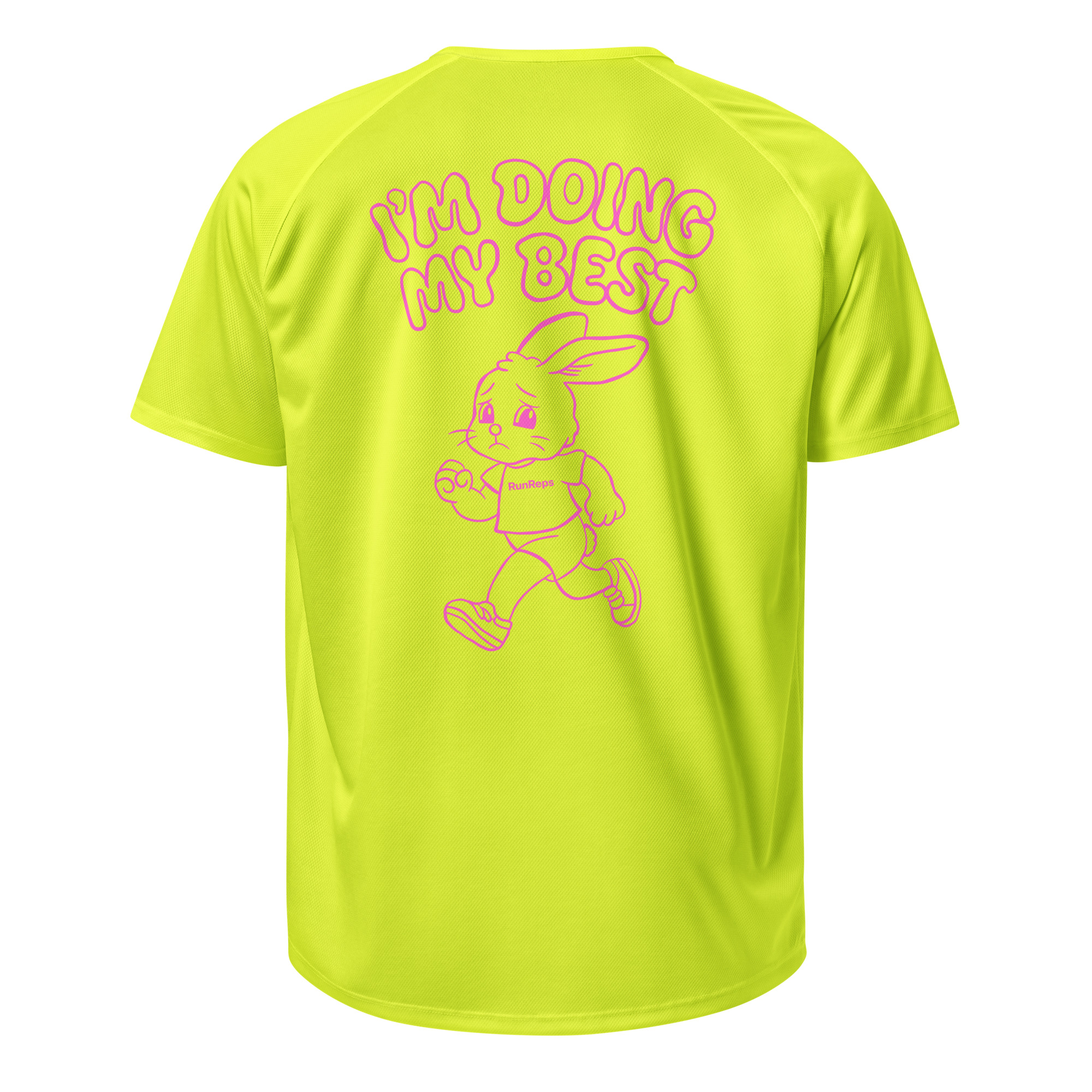
I'm Doing My Best Running Jersey
Lightweight, breathable unisex sports jersey in neon yellow. Designed for runners who keep showing up.
Free worldwide shipping on select orders
RunReps works with retail partners through the Awin affiliate network and earns a commission on qualifying purchases at no extra cost to you.