Mile Race Training Plan: Run a Faster Mile
Create a Structured Plan to Beat Your Mile Time
15 April 2025
A mile race is an exhilarating challenge that combines speed, endurance, and strategic pacing. Whether you’re completely new to running, aiming to complete your first mile without stopping, or an experienced athlete looking to shatter your personal record, a comprehensive and structured training plan is crucial for achieving success.
How Long Should It Take to Run a Mile?
The time it takes to run a mile can vary significantly based on your current fitness level:
- Beginners: Usually complete a mile in 9–12 minutes. Initially, walking intervals are often necessary.
- Intermediate runners: Typically finish between 6–8 minutes, with consistent training and structured workouts.
- Advanced runners: Often run under 6 minutes, with competitive and elite runners regularly breaking the 5-minute barrier.
Establishing a baseline helps set realistic, achievable goals, allowing you to measure improvement over time.
Preparing for Your Mile Run
Beginner Basics
Starting from scratch can feel daunting, but following a structured walk/run program can ease you into the running habit and build fitness without excessive fatigue:
- Weeks 1–2: Alternate between jogging for 1 minute and walking for 2 minutes. Repeat this cycle 5–6 times.
- Weeks 3–4: Increase jogging intervals to 2 minutes, with a 1-minute walk between repetitions.
- Weeks 5–6: Work toward jogging continuously for 5 minutes, limiting walk breaks to 1 minute. This gradual approach prevents burnout and promotes steady fitness gains.
Essential Training Principles
- Consistency: Aim to run at least three times weekly, ensuring gradual progress.
- Rest and Recovery: Allow your body adequate time to recover between training days. This is critical for injury prevention and muscle adaptation.
- Cross-training: Incorporating non-running activities like cycling, swimming, or weight training boosts overall fitness and reduces injury risk.
How to Run a Mile Without Getting Tired
Breathing Techniques

Proper breathing is crucial for maintaining endurance:
- Rhythmic Breathing: Sync your breathing with your foot-strike, inhaling for two steps and exhaling for two. This helps regulate oxygen flow.
- Deep Diaphragmatic Breathing: Practice breathing deeply into your belly, rather than shallow chest breaths, to maximise oxygen intake.
Effective Pacing
- Start Slow: Resist the urge to sprint immediately. Starting at a conservative pace helps conserve energy for later in the run.
- Even Pace: Aim for steady, consistent pacing throughout the mile, gradually accelerating towards the end rather than fluctuating wildly in speed.
Mile Race Strategy
Pre-Race Preparation
- Warm-up: Include 5–10 minutes of easy jogging followed by dynamic stretching exercises to prepare muscles and prevent injuries.
- Hydration: Hydrate consistently throughout the day, but avoid large volumes of fluids immediately before racing.
- Nutrition: Consume a balanced meal rich in carbohydrates and moderate protein approximately 2–3 hours prior to the race.
Executing the Perfect Race
- Lap 1 (0–400m): Start assertively but not aggressively. Aim to establish a manageable, controlled pace.
- Lap 2 (400–800m): Settle into your target race pace. Focus on smooth breathing, relaxed form, and maintaining rhythm.
- Lap 3 (800–1200m): Mentally prepare for discomfort. Maintain focus, hold pace, and stay determined despite fatigue.
- Lap 4 (1200–1600m): Begin accelerating gradually, with a strong finish in the last 200 meters. Push through the fatigue, it’s temporary!

Detailed Mile Training Plan: Achieve Your Best Time
Here’s an expanded, detailed 4-week training plan for intermediate runners targeting sub-7 or sub-6-minute mile times:
| Week | Monday | Tuesday | Wednesday | Thursday | Friday | Saturday | Sunday |
|---|---|---|---|---|---|---|---|
| 1 | Easy run (2 mi) |
Interval run (6x400m at race pace) |
Rest/ Cross-training |
Tempo run (2 miles comfortably hard) |
Rest | Long easy run (3–5 miles) |
Rest |
| 2 | Easy run (2 mi) |
Interval run (8x200m faster pace) |
Rest/ Cross-training |
Tempo run (2 miles steady pace) |
Rest | Long easy run (4–6 miles) |
Rest |
| 3 | Easy run (3 mi) |
Interval run (4x800m slightly slower than race pace) |
Rest/ Cross-training |
Tempo run (3 miles strong pace) |
Rest | Long easy run (5–7 miles) |
Rest |
| 4 | Easy run (2 mi) |
Interval run (4x400m at race pace) |
Rest/ Cross-training |
Easy recovery run (2 miles) |
Rest | Race day! | Rest |
Interval Workout Details
- Warm-up: 10 minutes easy jogging
- Main Set: Perform the intervals at a pace close to your target race pace with 60–90 seconds rest between each repetition
- Cool-down: 10 minutes of easy jogging and stretching
Learn more about what interval training is.
Tempo Run Explained
- Warm-up: 10-minute easy jog
- Main Set: Maintain a steady, challenging pace that’s slightly slower than your mile race pace.
- Cool-down: Slow 10-minute jog or walk
Running Gear Recommendations
- Shoes: Invest in lightweight, supportive running shoes specifically suited for speed and shorter races.
- Clothing: Choose breathable, moisture-wicking fabrics that provide comfort without restricting movement.
Improving Mile Times with Additional Training

- Strength and Conditioning: Incorporate strength exercises, like squats and lunges, to build power and muscular endurance.
- Regular Timed Trials: Periodically test your mile pace every few weeks to gauge improvement and refine pacing strategies.
Transitioning Beyond the Mile
Mastering the mile provides a solid foundation for expanding into longer distances:
- 5K (3.1 miles): Tests endurance and pacing strategies.
- 10K (6.2 miles) and Beyond: Builds stamina and long-distance racing strategies.
Your mile pace serves as an invaluable benchmark for future training adjustments and race planning.
Gear to support your training
Good training gear helps you track progress and stay consistent. These are our top picks for runners in structured training.
Garmin Forerunner 265
Track every session with live pace data, training load metrics, and recovery advice. The best mid-range GPS watch.
View on AmazonNike Pegasus
Handles easy runs, tempo work, and long runs. A versatile daily trainer that suits most training plans.
View on AmazonFoam Roller
Speeds up recovery between training sessions. Essential when training load increases.
View on Amazon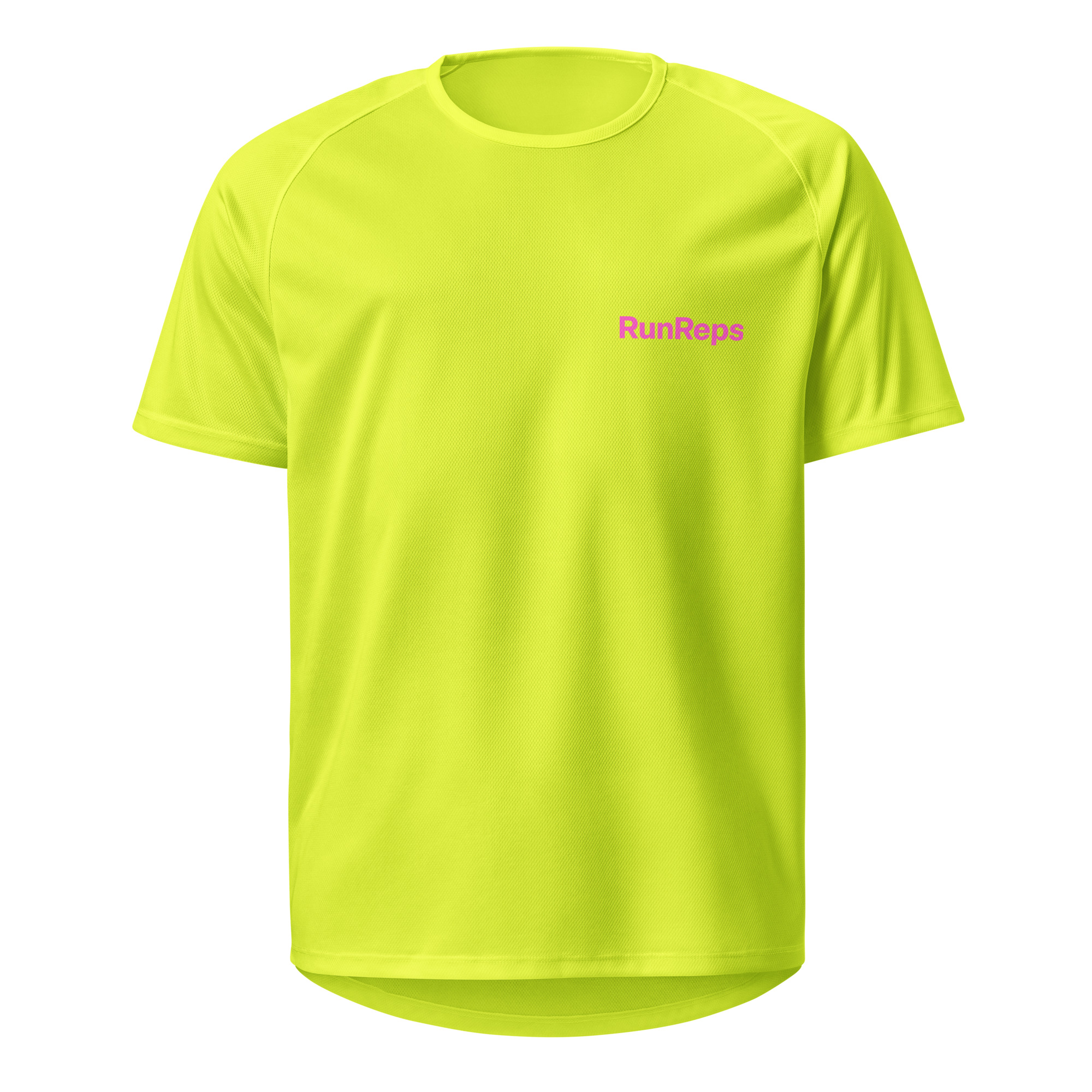
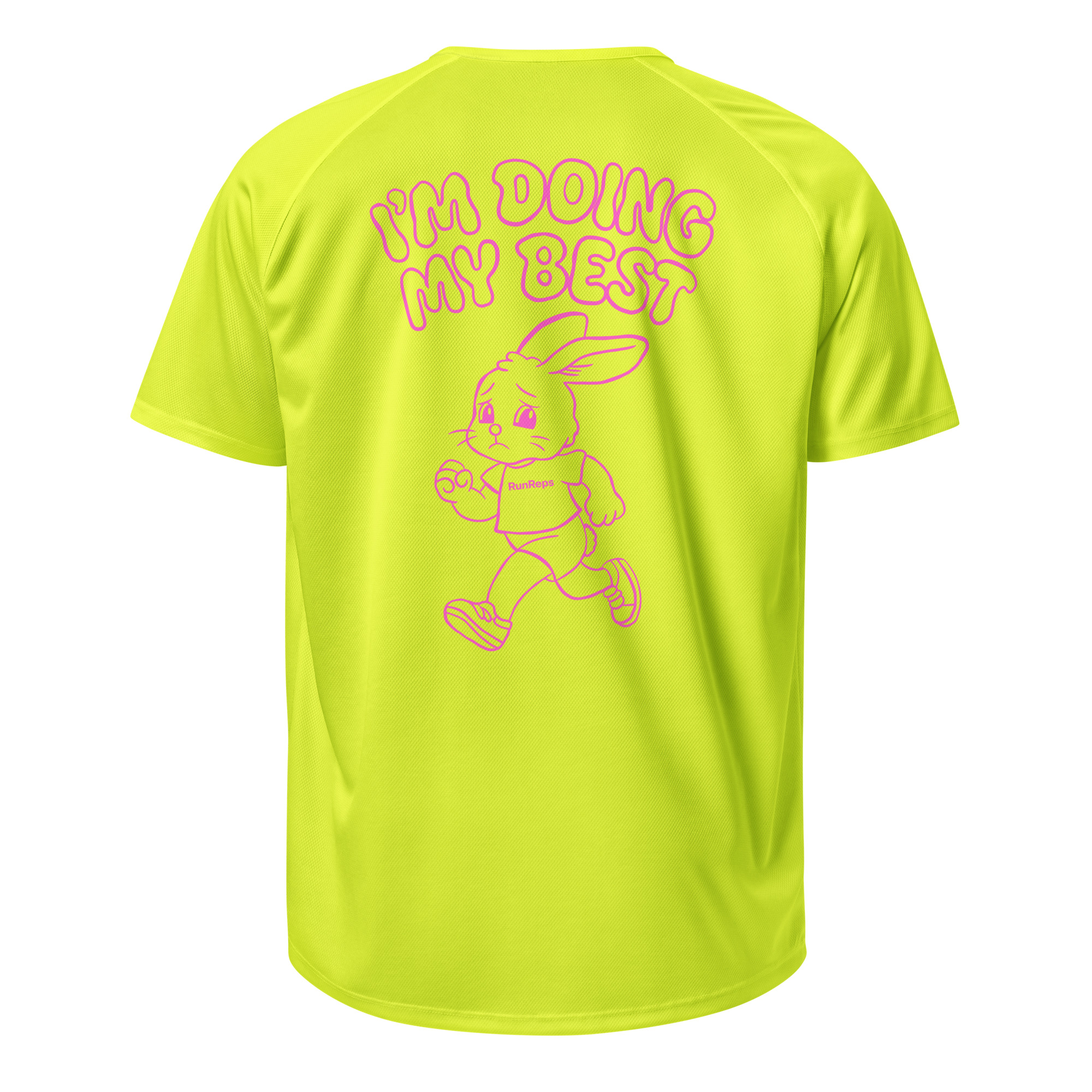
I'm Doing My Best Running Jersey
Lightweight, breathable unisex sports jersey in neon yellow. Designed for runners who keep showing up.
Free worldwide shipping on select orders
RunReps works with retail partners through the Awin affiliate network and earns a commission on qualifying purchases at no extra cost to you.