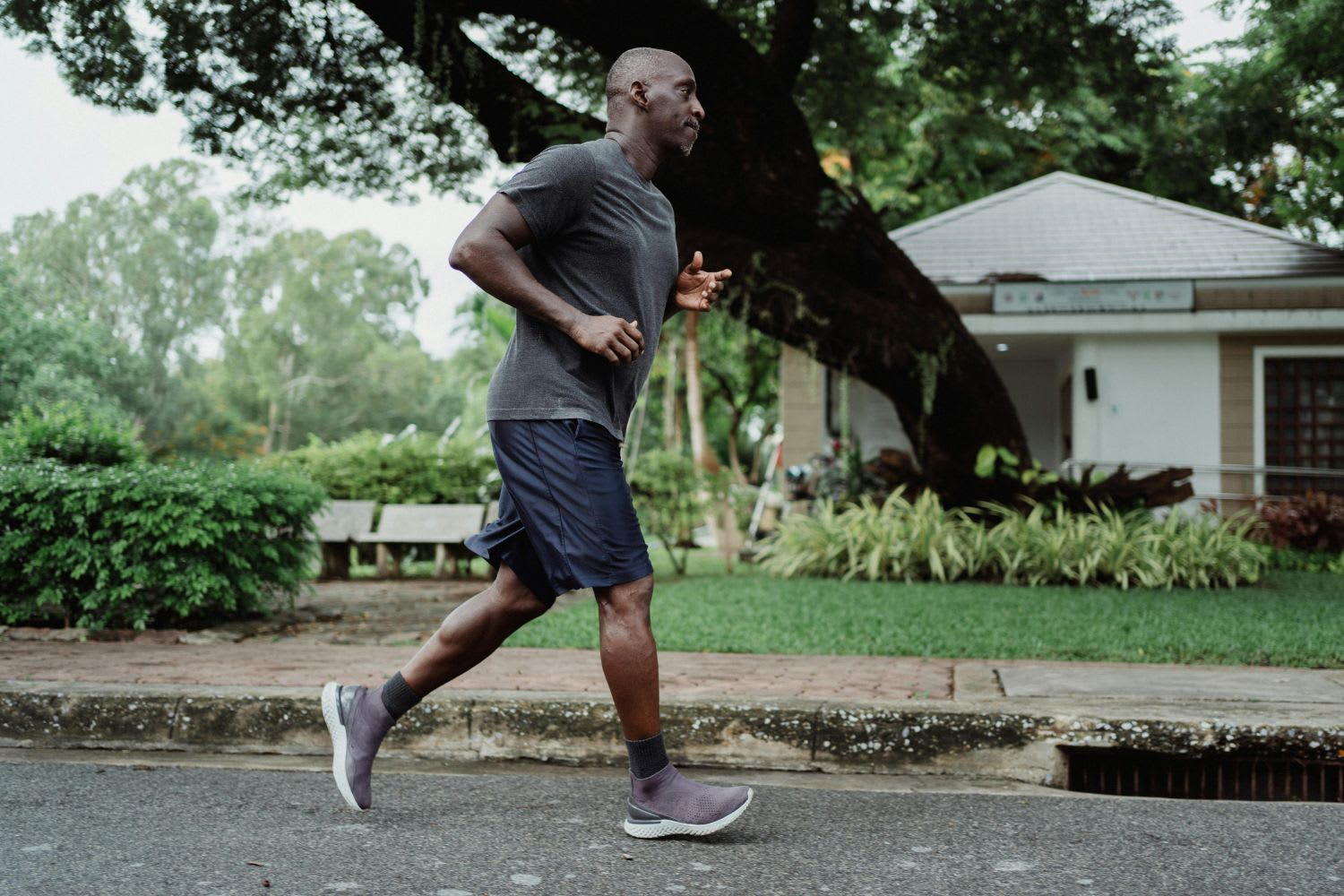
From Couch to Half Marathon | Beginner's Training Plan
Every Runner Starts Here
3 April 2025
Going from couch potato to half marathon hero might seem ambitious, but it’s surprisingly achievable, even if you’ve never run before. The trick is simple:
- Start gently
- Progress gradually
- Enjoy the journey
Whether your goal is fitness, a personal challenge, or simply the joy of crossing that finish line, this guide will set you firmly on the path to your first half marathon.
Starting Easy: Why the First Steps Matter Most
Every runner you’ve ever admired started exactly where you are right now, wondering if they could really do this. And here’s the good news: the journey from zero to 21.1km isn’t about speed or natural athletic talent. It’s about consistency, patience, and a pinch of courage.
If you’ve never run consistently before, it can feel intimidating. That’s why starting with something manageable, like a Couch to 5K plan, is the best foundation. We’ve even built a custom Couch to 5K generator on RunReps to help you create a personalised plan based on your own fitness level, schedule, and goals.
Phase 1: Building a Base (Weeks 1–4)
Your first month isn’t about distance or pace, it’s about establishing the habit. The goal is to build confidence and avoid injury. Try this pattern:
- Weeks 1–2: Alternate between walking and running. For example, run 1 minute, walk 2 minutes, repeat for 20–30 minutes total, three times a week.
- Weeks 3–4: Gradually increase your running intervals. Aim for running 3 minutes, walking 1 minute, repeating this cycle for around 25–35 minutes, three times per week.
If you’re already comfortably hitting these targets, move smoothly into continuous running during weeks 3–4, but always listen to your body.
Phase 2: Extending Your Comfort Zone (Weeks 5–8)
By now, you’ll notice your endurance and confidence improving. Here’s how to steadily build on that momentum:
- Weeks 5–6: Aim for three weekly runs, with two shorter runs (3–5km each) and one slightly longer run (5–7km). Pace doesn’t matter yet, just finish feeling good.
- Weeks 7–8: Push your long run gently up to around 8–10km. Keep your shorter runs easy and consistent. Remember: slower running is often smarter running at this stage.
At this point, you might surprise yourself with how far you’ve come. It’s not unusual to start looking forward to runs, even craving them!
Phase 3: Breaking Barriers (Weeks 9–12)
You’re over halfway there, it’s time to confidently push your boundaries. Here, consistency is key:
- Weeks 9–10: Continue your pattern of two shorter runs and one increasingly longer run each week. Your longer runs can now reach between 10–13km.
- Weeks 11–12: Your long run goal should approach 15km, though it’s okay to stop and walk briefly. You’ll still gain valuable endurance from walk breaks!
Throughout this stage, make sure you’re taking at least one or two rest days per week. Your body grows stronger during recovery, not during the runs themselves.
Phase 4: Countdown to Race Day (Weeks 13–16)
You’re now officially on the home stretch. Here’s how you’ll close in on that 21.1km goal:
- Weeks 13–14: Maintain your two shorter, easy-paced runs, with your longest run peaking around 17–18km. Start experimenting with hydration and nutrition on these runs.
- Weeks 15–16: Your longest training run will hit about 18–19km. Taper slightly in the week before your race, reduce your overall distance, ensuring your legs are fresh and ready.
Race Day: Your Moment Has Arrived!
On race day, your main aim is simple: enjoy the experience. Take it easy at the start, it’s tempting to sprint with the excitement, but pacing is key. Celebrate each kilometre marker you pass, and soak in the incredible feeling as the finish line approaches.
Whatever your time is, remember: you’ve achieved something incredible. You’ve gone from barely running at all to conquering a half marathon, an accomplishment worth celebrating.
A Few Final Tips for Beginner Half-Marathoners:
- Slow down! Most beginners run too fast, too soon. Pace yourself gently.
- Gear Check: Good running shoes, comfy clothes, and maybe a reliable GPS watch to track your progress.
- Stay Hydrated and Fuelled: Practice hydration strategies during long runs, don’t try anything new on race day!
- Community Helps: Running groups or online communities like RunReps can keep you motivated.
Ready to Start?
Taking the first step is the hardest part, but it’s also the most rewarding. With commitment, patience, and the right plan, running a half marathon isn’t just possible, it’s inevitable.
Now, lace up those shoes. You’ve got this!
Recommended running gear
Whether you are just getting started or looking to upgrade, these are solid choices that suit most runners.
Garmin Forerunner 265
The best mid-range GPS watch for runners. AMOLED display, accurate pace tracking, and training load insights.
View on AmazonNike Pegasus
A versatile daily trainer suitable for easy runs, tempo sessions, and race day. One of the most popular running shoes.
View on AmazonFoam Roller
Helps with recovery after runs. A simple, affordable tool that reduces muscle soreness and tightness.
View on Amazon