Most Hyrox competitors are runners who own excellent running shoes - and then wonder why their feet are screaming halfway through the sled push. The shoe that logs your long runs is not necessarily the shoe that performs on a Hyrox floor. Choosing the right footwear for Hyrox is simpler than most guides suggest, but it matters.
Why Hyrox shoes are different from running shoes
Hyrox is a hybrid event. The 8 km of running accounts for roughly 60–70% of your total time, but the functional stations are where shoe choice can work against you.
Running shoes are optimised for forward propulsion - cushioned heels, curved last, minimal lateral support. These features become liabilities when you need to:
- Push a sled: A heavily cushioned, rocking-sole shoe gives you less power transfer into the floor. Flatter soles generate more force.
- Do farmers carry or lunges: High-drop shoes shift your centre of mass in a way that makes stable footing harder under load.
- Perform on rubber flooring: Race venues use rubber mat flooring for the functional zones. Some running shoes grip this well, others slip.
The ideal Hyrox shoe has moderate cushioning, a lower heel-to-toe drop than most max-cushion running shoes, and stable lateral construction.
Option 1 - Training shoes (best all-round choice)
If you want one shoe for the whole event, a training shoe or cross-trainer is the right choice.
Good options: - Nike Metcon series - exceptionally stable, flat heel, excellent rubber grip on gym flooring. Widely used at Hyrox. The 8 km in Metcons feels heavy compared to running shoes, but the station work feels solid. - Reebok Nano - similar profile to the Metcon. Good option if you prefer a slightly more padded feel underfoot. - New Balance Minimus TR - lower profile, more flexible than Metcon, good for runners who want something closer to a running shoe feel but with flat soles.
Training shoes weigh around 300–400 g per shoe versus 200–280 g for lightweight running shoes. Over 8 km, this difference is noticeable but manageable for most participants.
Option 2 - Running shoes (good if you prioritise running performance)
Some Hyrox athletes wear their regular running shoes for the entire event. This is a legitimate choice if:
- You are targeting a sub-90-minute finish and the running segments matter more than marginal gains on stations
- You are in the Open category (lighter weights - the sled is manageable in running shoes)
- You already run well in lower-drop shoes (10 mm drop or less) that provide more stability than max-cushion shoes
Shoes to avoid for Hyrox if choosing running shoes: - Carbon fibre plate shoes (Vaporfly, Alphafly, Adizero etc.) - extremely poor grip on gym flooring, expensive, and the rocker geometry makes sled pushing very inefficient - Max-cushion stack shoes (Hoka Bondi, Asics Nimbus) - the high stack and curved sole reduce ground contact and force transfer - Anything with significant heel flare - this causes lateral ankle instability during loaded carries
Option 3 - Two shoes (transition strategy)
Some competitive athletes bring two pairs of shoes to transition: running shoes for the running kilometres and training shoes for the functional stations.
In practice, this is only worth considering if: - You are competing in the Pro category (heavier loads mean better power transfer matters more) - You have a well-drilled transition routine and can change shoes in under 60–90 seconds - Your finish time target is competitive enough that minutes saved on the running segments matter
For the majority of Hyrox participants - Open category, first or second event, targeting sub-2 hours - two pairs is more hassle than it is worth. One well-chosen training shoe is the better call.
What to look for when choosing Hyrox shoes
If you are buying shoes specifically for Hyrox, prioritise these features:
Heel-to-toe drop: 4–8 mm is the sweet spot. Enough cushioning for the running, flat enough for station stability. Avoid 12 mm+ drop shoes.
Sole material and pattern: Test on rubber flooring if possible. A herringbone or multi-directional lug pattern grips well; smooth foam soles slip.
Weight: Lighter is better for the running, but below a certain point you sacrifice stability. Aim for 280–340 g.
Ankle collar height: Low-top only - mid or high tops restrict ankle flexion during lunges.
Toe box width: Carry exercises create foot fatigue. A slightly wider toe box reduces cramping during longer events.
Station-by-station shoe impact
Here is how shoe choice plays out across the Hyrox stations:
SkiErg: Shoe type has minimal impact - you are standing, not generating force through the floor.
Sled push: Flat sole matters most here. Training shoes outperform running shoes significantly.
Sled pull: Shoe grip matters for foot position; training shoes are better.
Burpee broad jumps: Cushion helps on landings. Running shoes are comfortable here; training shoes are also fine.
Rowing (1,000 m): Seated, so shoe is irrelevant.
Farmers carry: Stable sole helps when carrying heavy weights - training shoes win.
Sandbag lunges: A lower drop shoe gives better knee tracking. Training shoes are better.
Wall balls: Running shoes feel fine here - you are jumping and catching in a limited area.
Common questions
Can I wear my normal running shoes for Hyrox?
Yes, especially for Open category. Many participants use running shoes for their entire event. Avoid carbon-plate race shoes (Vaporfly, Adizero) - they grip poorly on gym flooring. A standard neutral running shoe at 8–10 mm drop is manageable. A cross-trainer will perform better on the functional stations.
Are Nike Metcons good for Hyrox?
Yes. The Nike Metcon is one of the most popular choices for Hyrox. The flat sole, stable heel, and rubber grip all suit the functional stations well. The trade-off is they feel heavier than running shoes for the 8 km of running.
Should I use different shoes for the running and the stations?
Only if you are competing at a high level and targeting a specific finish time. For most participants, transitioning between shoes adds complexity and time. One training shoe for the whole event is the simpler and usually better choice.
What shoes should I avoid for Hyrox?
Avoid carbon-plate race shoes (they slip on rubber flooring and have poor power transfer for sled work), max-cushion stack shoes (Hoka Bondi, Asics Nimbus - too unstable under load), and any mid-top or high-top shoe that restricts ankle movement.
Does shoe choice matter more in the Pro category?
Yes. Pro weights are significantly heavier - 202 kg on the sled push for men, 152 kg for women. At those loads, sole flatness and force transfer through your footwear becomes much more relevant. Most Pro competitors use training shoes or bring two pairs.
Tools to use alongside this guide
Hyrox training plans
Detailed, printable plans with session-by-session breakdowns, nutrition guidance, and race-day preparation.
12-Week Hyrox Training Plan
£7.99
Hyrox 8 Week Training Plan - 3 Days/Week
£7.99
Hyrox 8 Week Training Plan - 5 Days/Week
£7.99
Gear for your Hyrox training
Hyrox demands versatile equipment that handles both running segments and functional stations. These picks cover the essentials.
Garmin Forerunner 265
Track your running splits and station times with live pace alerts and an AMOLED display. The best mid-range GPS watch for mixed training.
View on AmazonNike Pegasus
A versatile daily trainer that handles road running and gym floor work equally well. Reliable cushioning for high-volume Hyrox prep.
View on AmazonFoam Roller
Hyrox training is hard on legs and shoulders. Regular foam rolling helps you recover between sessions and stay consistent.
View on AmazonASICS Gel-Nimbus
High cushion and a smooth ride for neutral runners covering longer distances. A consistent favourite for comfort.
View on Amazon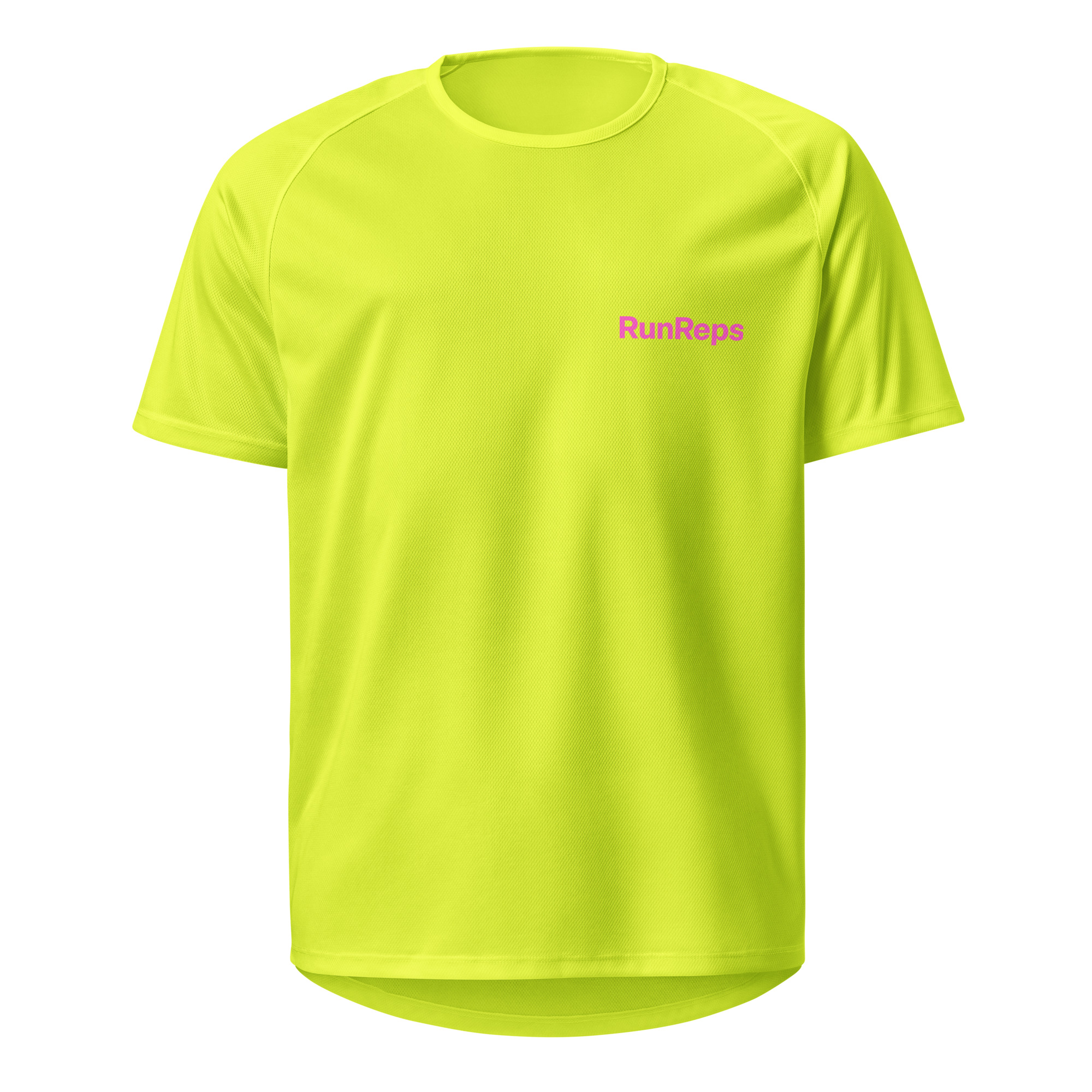
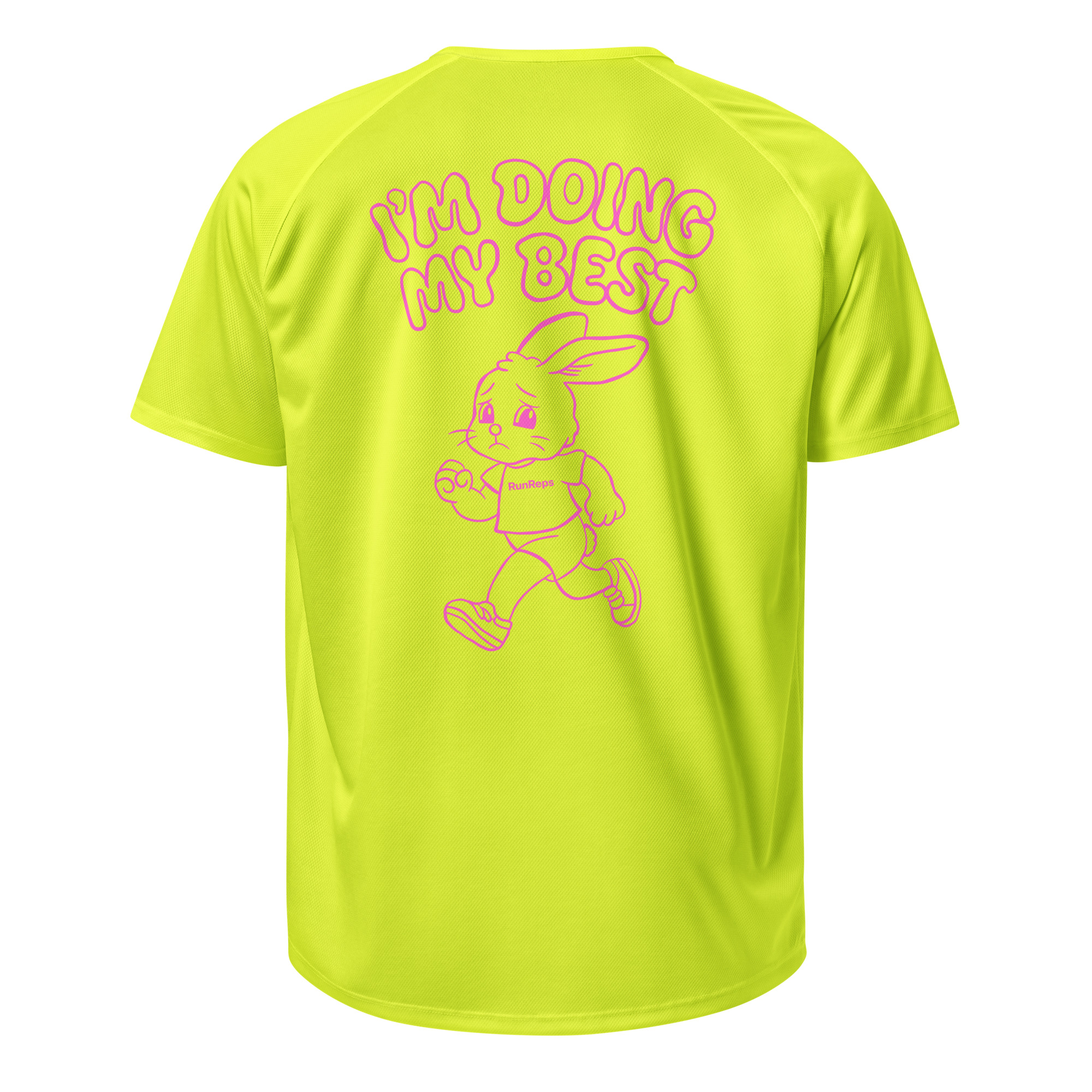
I'm Doing My Best Running Jersey
Lightweight, breathable unisex sports jersey in neon yellow. Designed for runners who keep showing up.
Free worldwide shipping on select orders
RunReps works with retail partners through the Awin affiliate network and earns a commission on qualifying purchases at no extra cost to you.