Running Form Assessment
Answer questions about your running technique to identify common form faults and get specific drills and cues to improve your running efficiency.
Answer 7 questions about how you run. The assessment identifies the most likely technique faults and gives you specific drills and cues to fix them.
1Where does your foot first contact the ground?
2How would you describe your stride?
3What do your arms do when you run?
4What is your body position when running?
5Where do you look when running?
6How do your shoulders feel after a run?
7Do you notice any hip or knee pain pattern?
Improve your form with the right gear
Good running shoes and real-time form metrics help you turn assessment insights into better running.
Garmin Forerunner 265
Running dynamics including cadence, ground contact time and vertical oscillation. See your form data live.
View on AmazonNike Pegasus
Neutral trainer that encourages natural foot strike. A good foundation for improving your running form.
View on AmazonASICS Gel-Nimbus
High-cushion neutral shoe. Good for runners working on form changes who want extra impact protection.
View on Amazon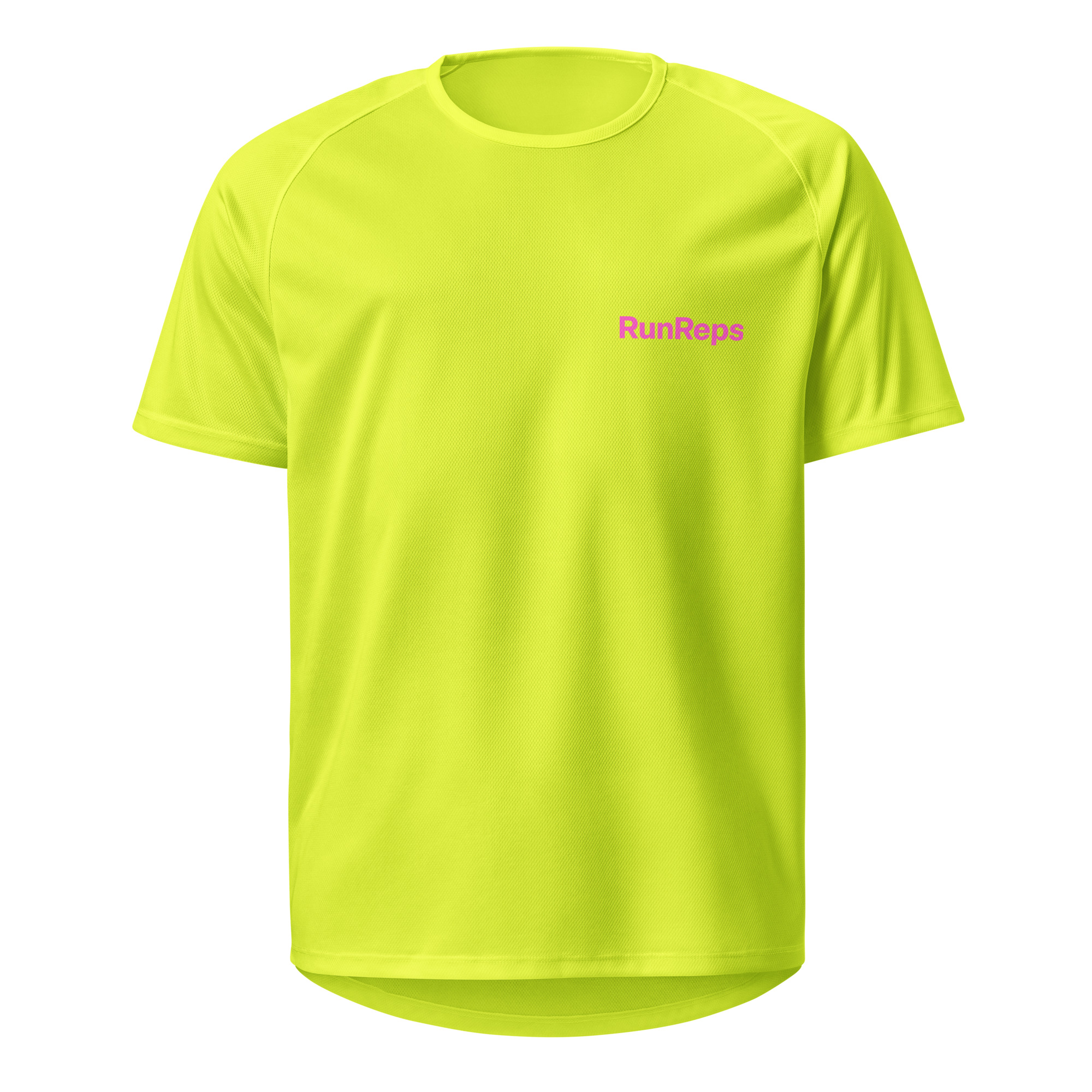
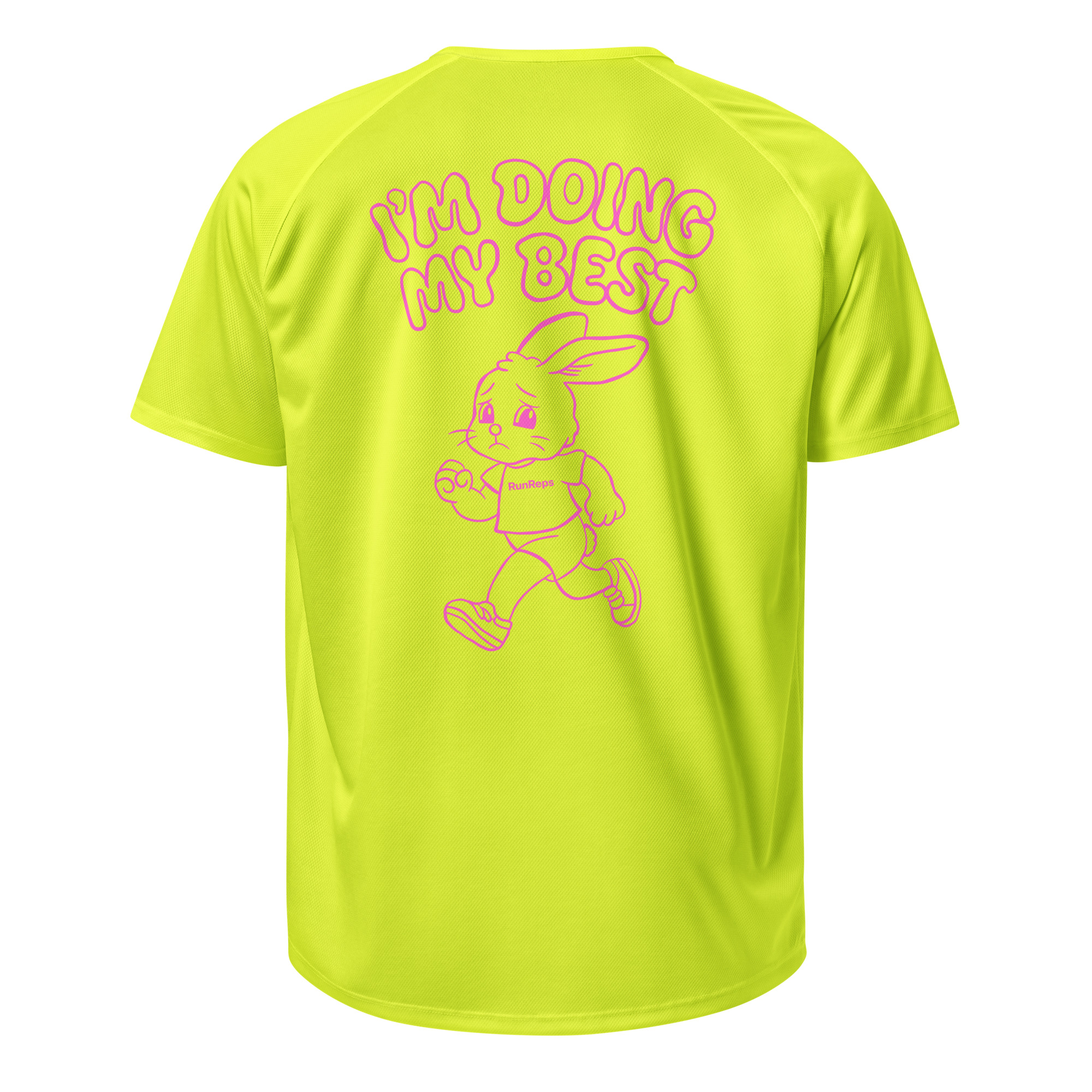
I'm Doing My Best Running Jersey
Lightweight, breathable unisex sports jersey in neon yellow. Designed for runners who keep showing up.
Free worldwide shipping on select orders
RunReps works with retail partners through the Awin affiliate network and earns a commission on qualifying purchases at no extra cost to you.
How the Running Form Assessment works
Answer a series of questions about how you run - where your foot lands, your arm position, your head posture, and how your stride feels. The assessment identifies the most likely technique faults and gives you targeted drills and cues based on your responses.
Frequently asked questions
What are the most common running form mistakes?
Overstriding (landing with the foot far ahead of the body) is the most common and impactful fault - it increases braking force and injury risk. Others include excessive forward lean, collapsed ankles (overpronation), and poor arm drive.
Can improving running form make me faster?
Yes. Better form improves running economy (how efficiently you convert energy to forward motion). Studies show that trained recreational runners can improve economy by 2–5% through targeted technique work - equivalent to weeks of fitness training.